

Top 5 Clipperton Imports Alternatives 2026
Ordering high-quality matcha and tea online often means juggling multiple specialty vendors to find reliable sourcing, organic certification, and real-time freshness. Many retailers raise the barrier with high minimums for free shipping, limited subscription options, or narrow catalogs that skip either Japanese matcha or everyday loose-leaf tea. This guide compares five standout alternatives so you can pick one supplier matching your quality needs, budget, and delivery preferences without piecing together multiple carts.
Table of Contents
- Font Coffee Roasters
- Sugimoto Tea Company
- matchaful
- Yōko Matcha
- Make Matcha Co.
- Evaluating Premier Beverage Suppliers for Coffee and Tea
Font Coffee Roasters
At a Glance
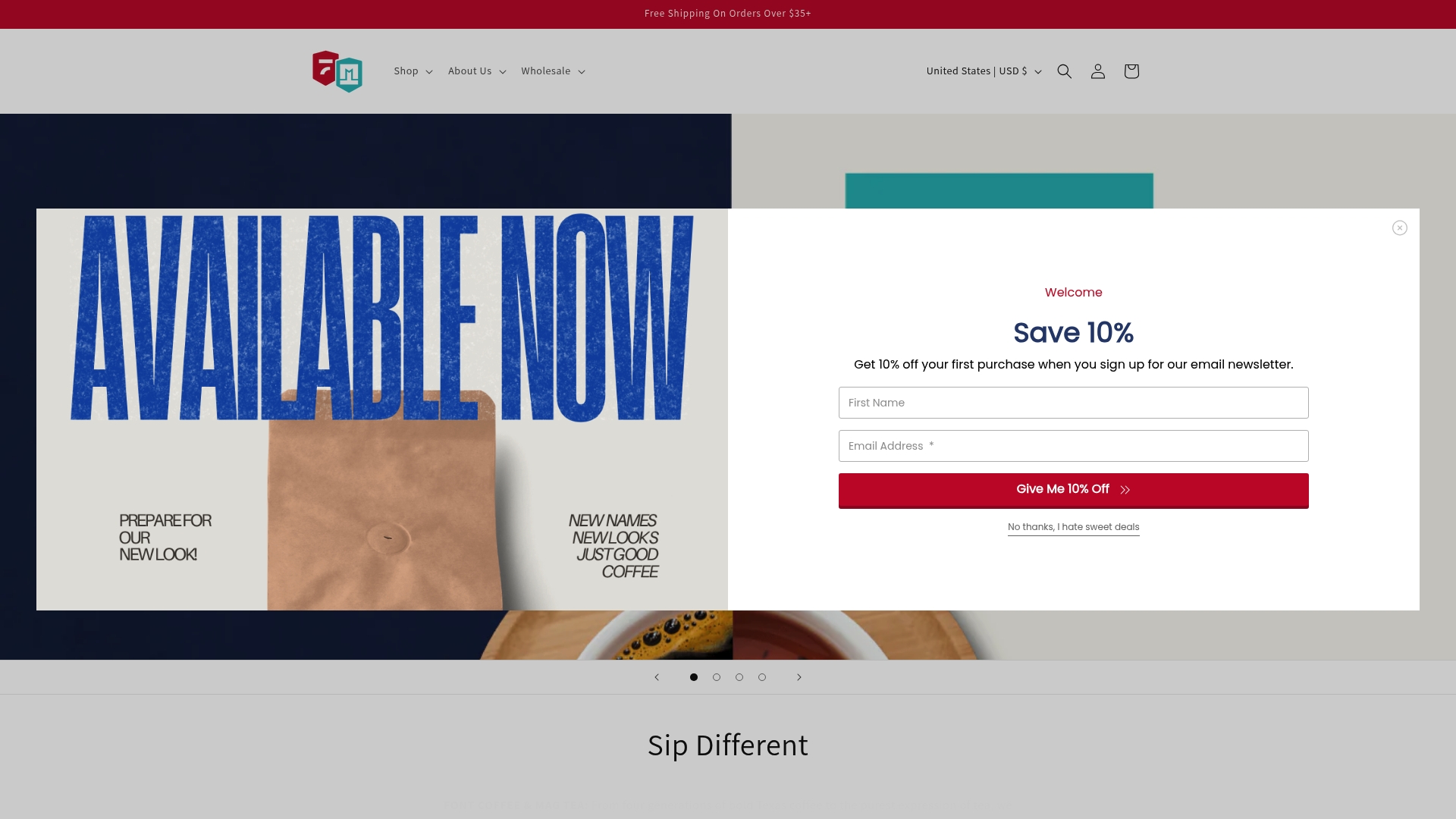
Built on four generations of Texas craftsmanship, Font Coffee Roasters pairs small-batch roasting with a broader beverage catalog that includes Japanese matcha, MAG Tea loose leaves, and the Sweetbird syrup collection. The shop also advertises free shipping on orders over $35 and fast fulfillment.
Core Features
Freshly roasted coffee, single origin and blended options, plus loose-leaf tea and matcha for varied menus and home brewing.
- Subscription plans with scheduled deliveries and automatic savings for recurring orders.
- Curated gift sets and flavor add-ons such as syrups and sauces suited for specialty drink menus.
- Direct-to-consumer ordering plus wholesale channels for cafes and small restaurants.
Key Differentiator
A family legacy spanning more than four generations anchors Font’s approach to sourcing and roasting. That history translates into a small-batch focus, a curated cross-category catalog, and subscription flexibility that lets you lock in regular shipments without reordering each month.
Pros
- Longstanding craftsmanship means roast profiles are consistent and intentional. That pedigree shows up in tasting notes and repeat customers.
- Subscription options reduce ordering friction for a home barista or a cafe that wants predictable deliveries and modest discounts.
- Wide product mix lets a buyer consolidate orders. Coffee, Japanese matcha, MAG Tea loose leaves, and Sweetbird syrups can come from one vendor.
- Local roasting supports Texas sourcing while Font also lists global bean origins, which helps menus that need single-origin variety.
- Positive customer feedback highlights flavor and freshness rather than only packaging or price.
Cons
- Primarily ships within the United States, with the strongest service around Houston, which limits access for international customers and some domestic buyers far from the core distribution area.
Who It’s For
Cafe owners, small restaurants, and home enthusiasts who value locally roasted, small-batch beans and want a single supplier for coffee, tea, and syrups. The subscription model helps anyone who prefers scheduled deliveries over repeat ordering.
Unique Value Proposition
Free shipping over $35 plus rapid fulfillment changes the math for small orders. For a home brewer buying a bag or a cafe ordering specialty syrups, those two concrete policies lower the friction of trying new blends and reduce per-order logistics overhead.
Real World Use Case
A home barista signs up for a monthly delivery of Font’s signature blend, adds a one-liter Sweetbird syrup to experiment with flavored lattes, and receives the package within days. The predictable cadence lets them rotate single origins and matcha without running out.
Pricing
Most 12-ounce bags fall in the $14.95 to $15.95 range, with subscription discounts available. Syrups and teas start around $15.73 for 1-liter bottles. Orders over $35 qualify for free shipping, which makes testing a new syrup or a second bag economical.
Website: https://font-mag.com
Sugimoto Tea Company
At a Glance
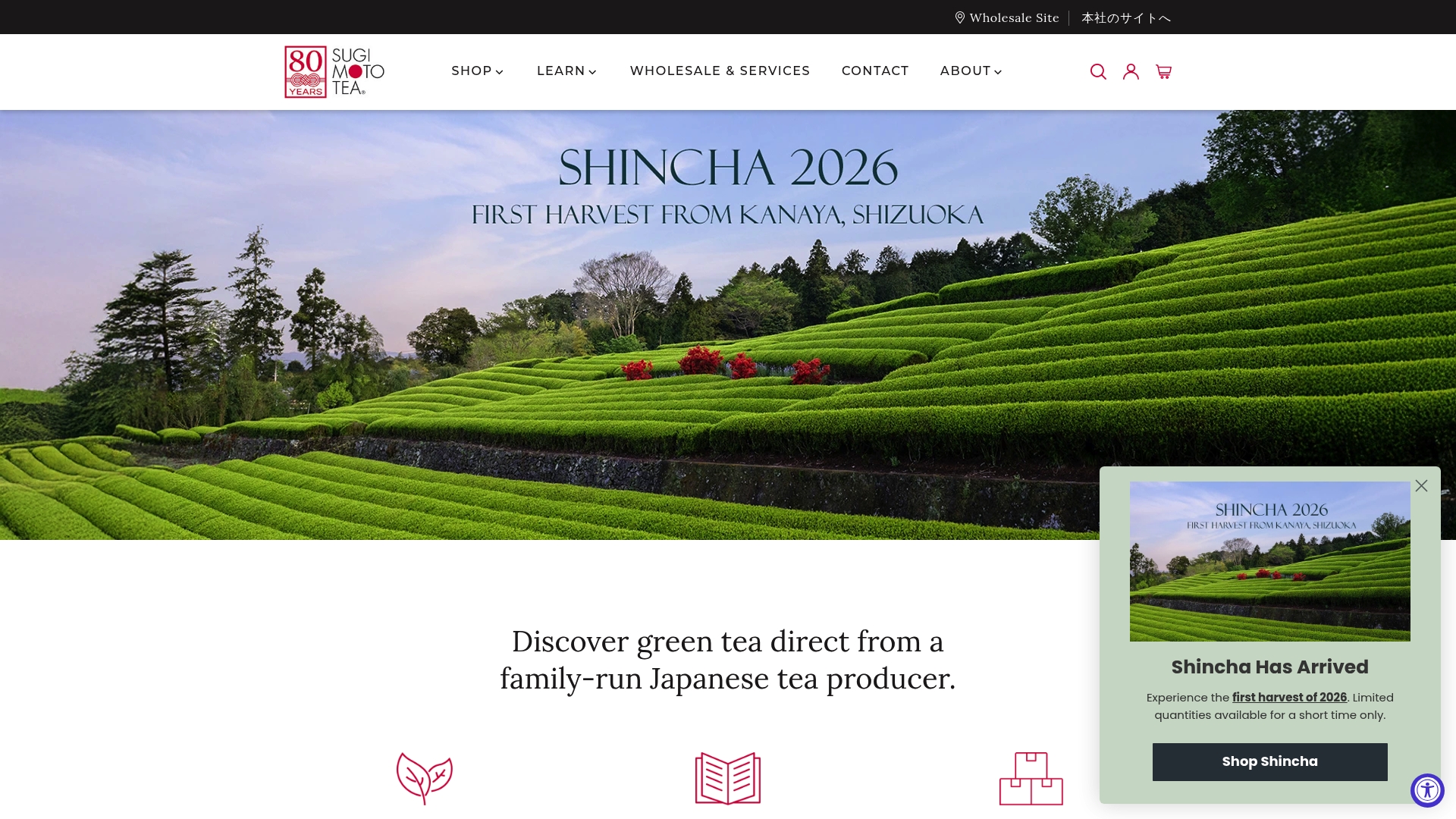
Sugimoto Tea Company traces its family-run tea craft back to 1946, a heritage that still guides its farm-direct sourcing from Shizuoka. The brand emphasizes authentic daily-drinking Japanese greens rather than competition-focused, ceremonial rarities.
Core Features
Sugimoto sells a broad lineup including matcha, sencha, and genmaicha, plus kurocha and seasonal picks. The company highlights farm-direct sourcing, organic certifications, and environmentally conscious cultivation. You can also buy teaware and access brewing guides, recipes, and educational content on the site.
Key Differentiator
What sets Sugimoto apart is the blend of established family tradition and intentional modern sourcing. That mix keeps offerings grounded in small-farm practices while supporting sustainable cultivation and approachable tea for everyday use rather than just collector markets.
Pros
- Long history and practical craft. Over 75 years of family experience informs leaf selection and drying choices, which shows in consistent everyday teas.
- Farm-direct sourcing reduces intermediaries and helps preserve traceability from field to package for many offerings.
- Environmental stance. The product lineup includes items tied to organic methods and sustainability claims that appeal to eco-aware buyers.
- Helpful learning resources. Brewing guides, recipes, and teaware suggestions shorten the learning curve for newcomers and improve repeat brewing results.
- Wholesale and bulk options. Cafés and specialty retailers can access discounts and packaging support for retail-ready presentation.
Cons
- Mixed feedback on top-tier matcha. Some customer comments suggest the matcha is more latte-friendly than competition-grade for purists.
- Premium positioning raises price. Expect many single packages to fall at the higher end of everyday tea budgets.
- Limited flavored blends. The focus is on traditional Japanese styles rather than a broad range of flavored or novelty blends.
- Sparse third-party reviews. Outside evaluations are limited, so quality signals rely more on the brand story and labels than independent tasting notes.
When It May Not Fit
If you operate a high-end tea bar seeking ultra-premium ceremonial matcha from specific micro-lots, Sugimoto’s selections may not match that connoisseur standard. International buyers outside the United States should check shipping policies and potential duties before ordering.
Who It’s For
Daily tea drinkers and enthusiasts who want authentic Japanese green teas with clear sourcing and sustainability credentials. Ideal for retailers and cafés that want approachable, farm-linked products and educational materials to help staff and customers brew correctly.
Real World Use Case
A specialty café in Texas sources Sugimoto sencha and genmaicha for daily service. The staff follows the brand’s brewing guides to train new baristas. Customers notice steadier cup quality and ask about the farm origin, which the café highlights on its menu.
Pricing
Most single packages range from about $10 to $30, with special or limited-edition lots priced higher. The vendor advertises free US shipping once a threshold is reached and offers wholesale and bulk discounts for trade buyers.
Website: https://sugimotousa.com
matchaful
At a Glance
Freshly stone-ground to order for maximum flavor and potency. Matchaful emphasizes a farm-to-whisk™ supply chain and organic cultivation practices that target purity and sustainability for home drinkers and café menus.
The brand pairs ceremonial-grade single-cultivar tins with accessories so you can replicate a traditional preparation ritual at home.
Core Features
- Stone-ground to order small batches to preserve aroma and chlorophyll brightness.
- Sustainable, organic, and pesticide-free sourcing directly from Japanese farms with traceability along the supply chain.
- Subscription service with customizable delivery schedules and built-in discounts.
- Curated matcha types including single-cultivar and ceremonial grades plus accessories like whisks and scoops.
Key Differentiator
Matchaful’s pitch is its exclusive focus on ethically sourced Japanese matcha combined with bespoke grinding timed to shipment. That farm-to-whisk™ approach places freshness and provenance at the center of the product, which matters when you are buying tea for flavor-sensitive recipes or consistent café pours.
Pros
- High-quality organic matcha that reads as clean and bright on the palate; the focus on pesticide-free leaves supports a health-forward buying decision.
- Traceable sourcing makes it easy to explain provenance to customers or guests when you serve a ceremonial cup.
- Fresh grinding in small runs delivers noticeably stronger aroma and a lingering umami compared with off-the-shelf tins.
- Subscription flexibility reduces refill friction for daily drinkers and offers cost savings versus one-off purchases.
- Accessories curated to match the tea mean you can buy a complete kit in one checkout.
Cons
- Subscription management has practical pain points for some customers; cancellation and schedule edits have reportedly required support contact.
- Customer service responsiveness has room for improvement; refunds and support cases can be slow, according to user reports.
- Price points sit at a premium level that may exclude budget-conscious buyers from sampling regularly.
- Range outside Japanese matcha and a few complements is limited if you want broader tea variety in a single vendor.
When It May Not Fit
If you need large, wholesale volumes at negotiated commercial discounts this is not the best match. Also skip Matchaful if you require flat low-cost tins every month and want no subscription commitment at all.
Who It’s For
Health-conscious consumers, matcha enthusiasts, and café owners who prioritize authentic Japanese provenance, fresh grinding, and organic cultivation. You should be willing to pay a premium for traceability, ritual-friendly accessories, and a consistent sensory profile.
Real World Use Case
A daily matcha drinker subscribes to a single-origin ceremonial tin and receives a fresh stone-ground pack each month. They use the included whisk and scoop to maintain a ritualized preparation and replace grocery aisle matcha with a cleaner, more aromatic cup.
Pricing
Most tins range from $42 to $98 for 30g to 100g sizes. Subscription orders carry roughly 15% savings and there are bulk discounts on recurring orders. Matchaful advertises free shipping over $85 which helps when buying larger tins or accessories.
Website: https://matchaful.com
Yōko Matcha
At a Glance
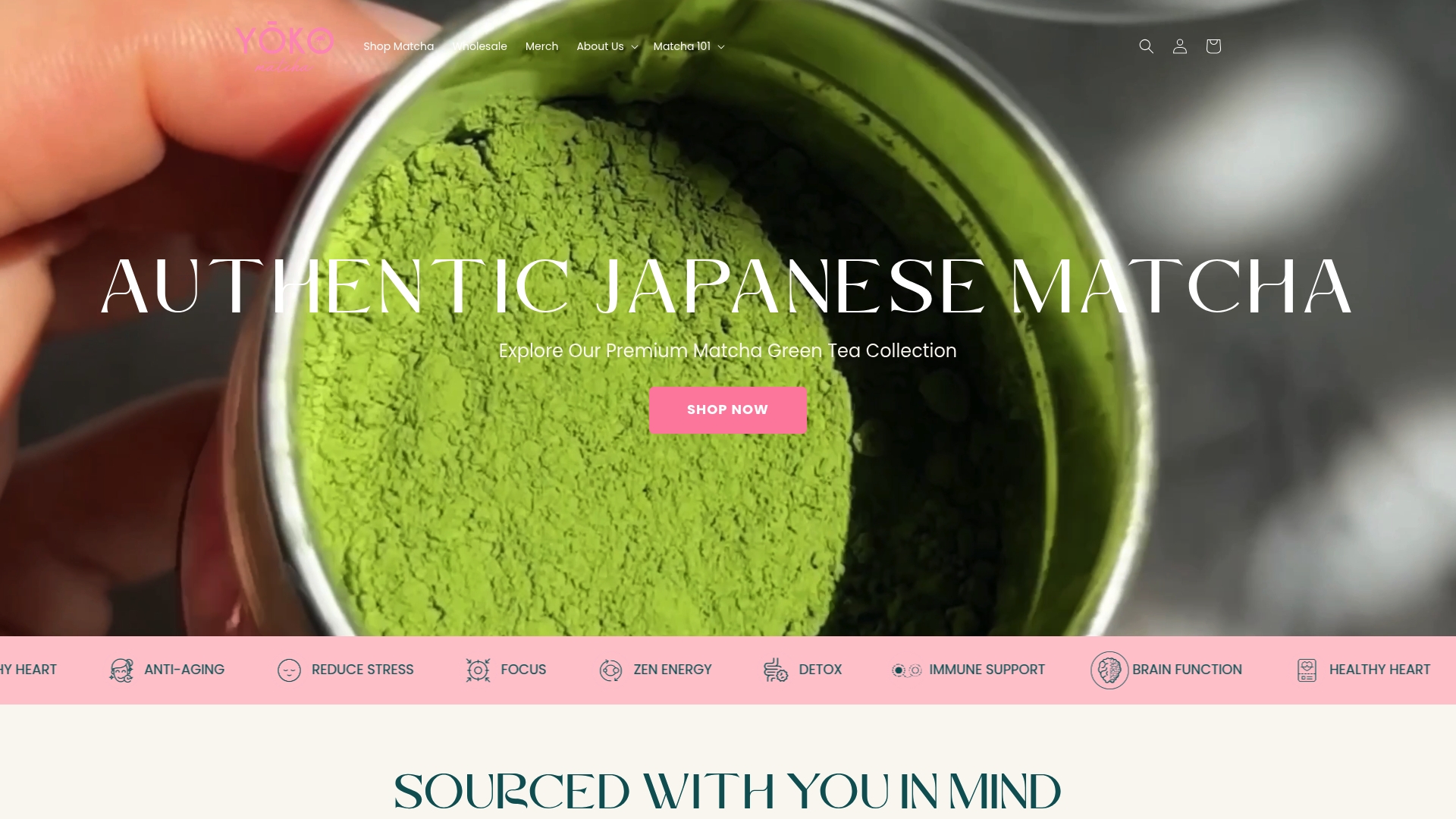
Direct sourcing from Shizuoka tea farms and stewardship by a Japanese founder are the core of Yōko Matcha’s quality story. The brand pairs traditional cultivation with Japan Agricultural Standards certification to offer both ceremonial and culinary matcha aimed at discerning consumers.
Core Features
Yōko Matcha focuses on purity and provenance through a small set of clear capabilities.
- Directly sourced from Shizuoka, Japan with farm-level relationships.
- JAS organic certification for many products and independent contaminant testing.
- A selection that spans ceremonial-grade and culinary matcha plus gift sets and wholesale sizes.
- Educational content on matcha history, preparation, and health benefits to help customers use the product well.
Key Differentiator
Family ownership and direct Shizuoka sourcing give Yōko Matcha tighter quality control than many resellers. Product decisions come from on-farm relationships and a founder steeped in Japanese tea culture, which shows up in consistent grind, color, and flavor profiles across batches.
Pros
- High authenticity: buyers get matcha produced under farm relationships in Shizuoka rather than bulk-blended imports. That traceability matters for flavor and testing.
- Organic oversight: JAS certification and contaminant testing provide a clear purity signal for health-conscious users and kitchens.
- Educational support reduces waste. Clear brewing guides and grade explanations help newcomers avoid bitter, oversteeped cups.
- Product breadth covers daily ceremonial use and culinary volumes, so cafés and bakers can order from the same brand they trust for drinking.
- Founder-led storytelling reinforces cultural context, which many customers say improves their ritual and tasting experience.
Cons
- Premium pricing reflects small-batch sourcing; the higher cost limits repeat purchases for budget buyers.
- The focus on pure traditional matcha means fewer flavored or blended options for consumers seeking variety.
- Shipping is mainly within the United States and select regions, which restricts access for international customers.
When It May Not Fit
If your priority is cheap bulk matcha for high-volume beverage programs, this brand is not the most cost efficient option. Likewise, if you need flavored mixes, single-origin blends with experimental profiles, or global retail distribution, Yōko Matcha’s narrow, tradition-first catalogue will feel limiting.
Who It’s For
Health-minded consumers, matcha aficionados, and culinary professionals who value provenance, testing, and traditional processing. Choose this brand when authenticity, farm relationships, and educational support matter more than the lowest possible price.
Real World Use Case
A café owner switches to Yōko Matcha ceremonial grade for hot lattes and uses culinary grade for matcha desserts. Customers notice brighter color and cleaner umami notes. The owner opts into a subscription to keep inventory fresh and consistent.
Pricing
Most products range from $24 to $110, with subscription options and wholesale bulk discounts for cafés and retailers. Gift sets and larger sizes provide better per ounce value for regular consumers or businesses.
Website: https://yokomatcha.com
Make Matcha Co.
At a Glance
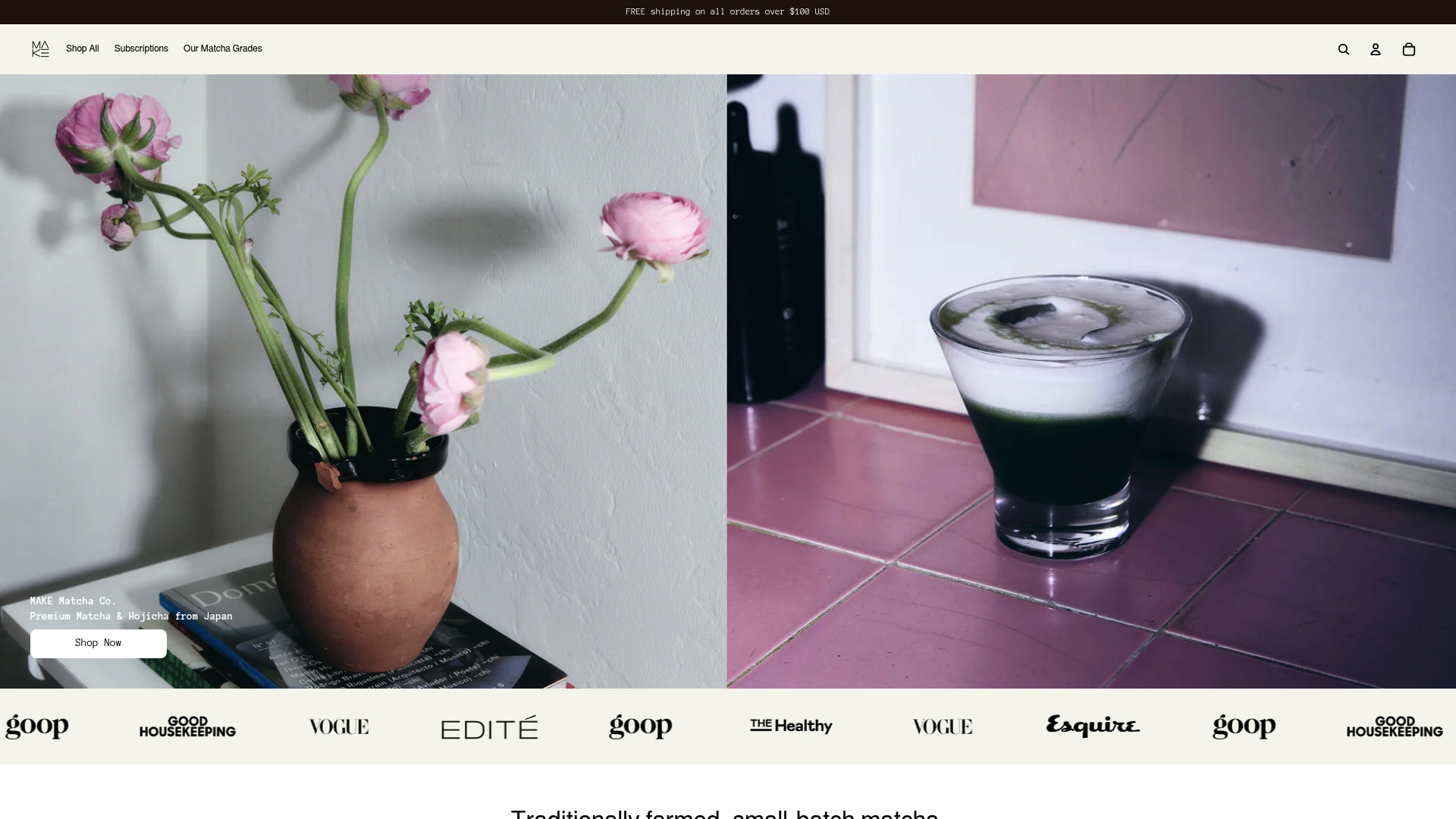
Work directly with a level-10 tea master to source ceremonial-grade matcha from Uji and Kagoshima, a claim the vendor emphasizes across its materials. The lineup focuses on three distinct grades and pairs them with curated tools and subscriptions for regular home brewing.
Core Features
- Heritage, Imperial, and Ceremonial grade matcha sourced from traditional Japanese farms.
- Subscription refills with discounts and flexible scheduling so you do not run out between tins.
- Curated accessories for authentic preparation, including bamboo whisks and small electric kettles.
- Emphasis on sustainable farming and transparent farming relationships with named regions.
- Educational guides and videos that walk through traditional preparation techniques.
Key Differentiator
The strongest claim is the in-house relationship with a level-10 tea master and direct sourcing from traditional farms. That combination is aimed at buyers who want traceability plus technique guidance, not just a retail tin. The brand leans heavily on craft and provenance as its primary signal.
Pros
- Exceptional sourcing and terroir focus. The regional sourcing from Uji and Kagoshima gives distinct flavor profiles for ceremonial and daily use.
- Expertise baked into the product. The tea master consults on batches and grading, which helps maintain consistent quality from tin to tin.
- Flexible subscriptions. Regular refills cut friction for daily drinkers and include discounts that reduce per-tin cost over time.
- Practical accessory curation. Selling whisks and kettles with the tea means you can buy a complete set and start practicing immediately.
- Helpful education. The step-by-step guides shorten the learning curve for users who want authentic preparation at home.
Cons
- Higher price point. Premium sourcing and expert curation push most 30 gram tins above entry-level matcha prices.
- Mostly online presence. Limited physical stores mean you cannot taste before you commit in many cities.
- Shipping restrictions. International shipping is limited to specific regions and may add weeks and cost.
- Narrow catalog. The focus on matcha and a few accessories leaves buyers seeking a broader tea assortment wanting.
When It May Not Fit
If you want a wide assortment of loose-leaf teas or budget-friendly everyday tins, this brand is a poor match. Buyers who need immediate local pickup or broad international shipping options will also find the product and fulfillment model restrictive.
Who It’s For
Health-conscious drinkers and tea enthusiasts who prize authenticity and craftsmanship. You value traceable sourcing, traditional technique, and are willing to pay a premium for higher ceremonial grades and curated tools.
Real World Use Case
A customer subscribes to Heritage or Imperial grade tins, receives a whisk and kettle, and follows the online tutorials to refine their frothing and whisking. Daily ritual becomes consistent, with noticeable differences in mouthfeel and umami compared with supermarket matcha.
Pricing
Most matcha categories range from $35–70 for 30 gram tins. Subscription discounts reduce that price and the vendor advertises free shipping on orders over $100 USD.
Website: https://makematcha.co
Evaluating Premier Beverage Suppliers for Coffee and Tea
When choosing the most suitable provider for specialty beverages like coffee, matcha, and loose-leaf tea, it’s essential to consider factors like product range, sourcing authenticity, subscription flexibility, and regional availability.
Expertise in Coffee, Tea, and Accompaniments
Font Coffee Roasters distinguishes itself by offering a diverse catalog that includes coffee, Japanese matcha, MAG Tea loose leaves, and flavored syrups, catering to both consumers and businesses. Although it provides a convenient one-stop solution, Sugimoto Tea Company’s focus on authentic Japanese green tea varieties enables depth in this specific segment, making it ideal for aficionados and wholesale partners specializing in tea. Matchaful excels in providing freshly stone-ground matcha, emphasizing aroma and potency, appealing to those prioritizing freshness and quality.
Sourcing Authenticity and Support for Traditions
When evaluating product origin and sustainability, Sugimoto Tea Company and Matchaful both emphasize strong connections to traditional Japanese farming practices and organic certifications. Yōko Matcha similarly commits to traceability and cultural authenticity, while Font Coffee Roasters leverages a lineage of Texan craftsmanship and global bean sourcing. Each of these suppliers delivers added value depending on the consumer’s priority—whether that is regional heritage or product variety.
Best Fit Recommendations
- Choose Font Coffee Roasters if you value combining coffee and tea varieties into one convenient, reliable subscription for personal or operational needs.
- Consider Sugimoto Tea Company when prioritizing authentic, sustainably sourced Japanese teas supported by educational content that aids proper preparation.
- Opt for Matchaful if you require extraordinarily fresh, organically certified, stone-ground matcha suitable for health-conscious consumers and ceremonial rituals.
Our Pick Conclusion
Font Coffee Roasters stands as an excellent choice for individuals and businesses needing a versatile catalog, combining coffee and supplementary items like syrups and diverse teas. However, those seeking specialized focus on traditional Japanese matcha practices may find Matchaful or Sugimoto Tea Company better suited to meet their expectations.
Matcha and Tea Retail Comparison
For those seeking a diverse and quality selection of tea products, consider how these brands cater to specific preferences and needs.
| Brand | Core Offerings | Key Differentiator | Best Suited For | Pricing | Notable Limitation |
|---|---|---|---|---|---|
| Font Coffee Roasters | Coffee, matcha, loose-leaf tea, syrups | Four generations of craftsmanship | Café owners and enthusiasts desiring variety and consistency | $14.95–15.95 for coffee, syrups from $15.73 | Primarily ships within the USA |
| Sugimoto Tea Company | Farm-direct Japanese green teas, teaware, education | Farm-direct sourcing and rich history | Tea daily drinkers looking for authenticity and sustainability | $10–30 per package | Focus on traditional teas; limited flavored blends |
| matchaful | Stone-ground matcha sourced ethically, accessories | Fresh grinding upon order | Matcha enthusiasts prioritizing freshness and quality | $42–98 for 30–100g | Online presence limits hands-on sampling |
| Yōko Matcha | Ceremonial and culinary matcha, gift sets | Direct Shizuoka sourcing with founder expertise | Gratified matcha lovers valuing provenance and quality | $24–110 | Premium cost limits accessibility |
| Make Matcha Co. | Ceremonial-grade matcha, accessories, subscriptions | Partnership with a Level-10 tea master | Buyers wanting traceability and educational support | $35–70 for tins | Limited broader tea product varieties |
Discover a Compelling Alternative to Clipperton Imports with Font-mag
If you’re seeking reliable ClippertonImports.com alternatives that combine artisan quality with diverse beverage options Font-mag delivers more than just coffee. Built on four generations of Texas craftsmanship Font-mag offers small-batch roasted coffees alongside vibrant Japanese matcha premium loose-leaf teas from MAG Tea and the renowned Sweetbird syrups collection. This variety makes it easy to source multiple beverage essentials from one trusted vendor.
Explore our Specialty Offerings to enjoy curated flavors backed by fast shipping and free delivery on orders over $35. Act now to simplify your beverage sourcing and experience exceptional freshness right at your door. Visit Font-mag to streamline your next order and elevate your coffee and tea service with signature blends and more.
Frequently Asked Questions
What subscription options does Font-mag offer for recurring deliveries of matcha and tea?
Font-mag provides subscription plans that include scheduled deliveries and automatic savings for recurring orders. This flexibility allows users to maintain a regular supply of their favorite blends without the hassle of manual reordering each month. Start enjoying the convenience of automatic shipments with Font-mag’s subscription service today.
How does Font-mag compare to Sugimoto Tea Company in terms of authenticity and sourcing?
Sugimoto Tea Company emphasizes its family-run tradition and farm-direct sourcing from Shizuoka, which appeals to traditional tea enthusiasts. Font-mag, on the other hand, focuses on a farm-to-whisk™ supply chain with freshly stone-ground matcha to ensure maximum freshness and flavor. This makes Font-mag the better choice for those seeking immediate, flavorful matcha options for home brewing.
What is the pricing difference between Font-mag and Matchaful’s products?
Font-mag’s offerings typically range from $42 to $98 for its 30g to 100g tins, while Matchaful’s premium matcha also commands similar prices but emphasizes ceremonial-grade qualities that attract serious enthusiasts. Those looking for consistent, high-quality matcha for everyday use may benefit more from Font-mag, especially with subscription discounts.
Can I find unique flavored blends at Font-mag compared to Yōko Matcha?
Font-mag has a curated selection of matcha and accessories but tends to focus on authenticity without a broad range of flavored or novelty blends. Yōko Matcha, while also emphasizing traditional matcha, may not offer the varied selections that Font-mag provides in terms of quality and sustainable sourcing options.
How does Font-mag ensure the freshness of its matcha products?
Font-mag grinds its matcha to order in small batches, ensuring all products maintain their aroma and chlorophyll brightness. This practice means that customers receive matcha with superior flavor profiles directly suited for their everyday use, enhancing the overall brewing experience.