

Shop Smarter: Hot Chocolate vs Cocoa, Read Labels and Start at 60%
Hot chocolate is made from real melted chocolate, cocoa butter and all. Hot cocoa comes from cocoa powder, which has had most of that fat pressed out. That single difference explains almost everything else: hot chocolate pours thick and velvety and coats your tongue, while hot cocoa drinks lighter, mixes faster, and tends to taste sweeter cup for cup. Ingredients, technique, and even health math all trace back to that one distinction.
TL;DR:
- Using natural cocoa results in a tangy, acidic drink, while Dutch-processed cocoa produces a smoother, milder flavor that lacks some health benefits.
- Instant mixes often combine sugar and stabilizers, so check the ingredient list to distinguish between real cocoa powder and processed chocolate products.
- Building a paste with cocoa powder before adding hot liquid prevents clumping, and finely grating or chopping chocolate helps achieve a smoother mug of hot chocolate.
- Whole milk improves emulsification and richness for both drinks, while water produces a thinner, more one-dimensional flavor.
- For casual use, cocoa powder offers speed and cost benefits, but for a rich, indulgent experience, real drinking chocolate justifies the extra effort.
Table of Contents
- Hot Chocolate vs Cocoa: The Ingredient Difference That Explains Everything
- How to Make Hot Cocoa and Hot Chocolate Without Lumps or Grit
- Which One Fits Your Moment: Texture, Sweetness, and Occasion
- What the Science Actually Says About Cocoa and Chocolate Drinks
- How to Read a Label Before You Buy
- Font’s Practical Tips for a Better Cup at Home
- A Quick Rule of Thumb for Choosing
- Stock Your Kitchen: Where to Start With Font
- Sources
- FAQ
Hot Chocolate vs Cocoa: The Ingredient Difference That Explains Everything
The gap between these two drinks starts at the factory, not the stovetop. Cocoa powder is what remains after cacao beans are pressed to extract cocoa butter, leaving a dry, concentrated powder that’s mostly cocoa solids. Drinking chocolate, by contrast, is solid chocolate (or a chocolate-based mix) that keeps its cocoa butter along with added sugar, and sometimes milk solids or emulsifiers. That retained fat is the reason drinking chocolate delivers a rounder, velvety texture while cocoa powder produces a noticeably lighter drink.
Cocoa powder itself splits into two camps. Natural cocoa is acidic and fruitier, with a sharper edge that some bakers and drinkers actually prefer. Dutch-processed cocoa has been treated with an alkalizing agent that neutralizes that acidity, producing a smoother, darker, milder powder. That processing step also lowers the flavanol content compared to natural cocoa, which affects both perceived brightness and potential health benefits.
Where things get muddy is at the grocery store. Instant hot cocoa mixes often blend cocoa powder with powdered milk, stabilizers, and sometimes a touch of actual chocolate, which makes the packaging language slippery. A few label habits help cut through the confusion:
- Cocoa powder on its own, first or second on the ingredient list, signals a true cocoa-based drink.
- Cocoa mass, cocoa liquor, or chocolate near the top of the list signals something closer to real drinking chocolate.
- Sugar listed first almost always means you’re holding a sweetened instant mix, not a chocolatier’s drinking chocolate.
- Vegetable fat or palm kernel oil in the ingredients often stands in for cocoa butter in cheaper mixes, which changes both flavor and mouthfeel.
Chocolatiers and pastry chefs tend to describe the whole comparison in one phrase: it comes down to cocoa butter. That’s also why milk emulsifies melted chocolate more smoothly than water does — milk fat and proteins help bind the cocoa butter into the liquid instead of letting it separate.
How to Make Hot Cocoa and Hot Chocolate Without Lumps or Grit
Both drinks are simple, but each has a failure point that trips up home cooks. Cocoa powder clumps because it’s dry and resists mixing into liquid straight away. Melted chocolate can seize, separate, or turn grainy if you rush the heat. The fixes are different for each, so treat them as two separate techniques rather than one recipe with a swapped ingredient.
For hot cocoa:
- Whisk two to three tablespoons of cocoa powder with sugar and a small splash of warm milk or water until it forms a smooth, lump-free paste.
- Slowly stream in the rest of your hot milk while whisking continuously.
- Heat gently until steaming, but stop before it simmers.
- Taste and adjust sugar at the end, since cocoa powder’s bitterness varies by brand and processing method.
That paste step matters more than people expect. Cocoa powder is hydrophobic, meaning it repels water rather than absorbing it right away, which is exactly why dumping it straight into hot milk produces floating clumps. Building a paste first breaks that surface tension before the liquid volume goes up.
For hot chocolate:
- Finely chop or grate your chocolate or drinking chocolate. Smaller pieces melt faster and more evenly.
- Heat milk gently in a saucepan over medium-low heat. Never let it boil.
- Remove from heat just as it starts to steam, then add the chopped chocolate.
- Whisk or use an immersion blender until fully melted and glossy.
- Return to low heat only if needed to rewarm, stirring constantly.
Boiling is the enemy here. High heat can cause the cocoa butter to separate from the liquid, leaving you with a broken, greasy-looking drink instead of something smooth. If that happens anyway, don’t panic. Pull the pan off the heat and whisk in a small pat of room-temperature butter or a splash of warm cream while blending vigorously. That rebuilds the fat structure and brings the drink back to a glossy, unified texture.
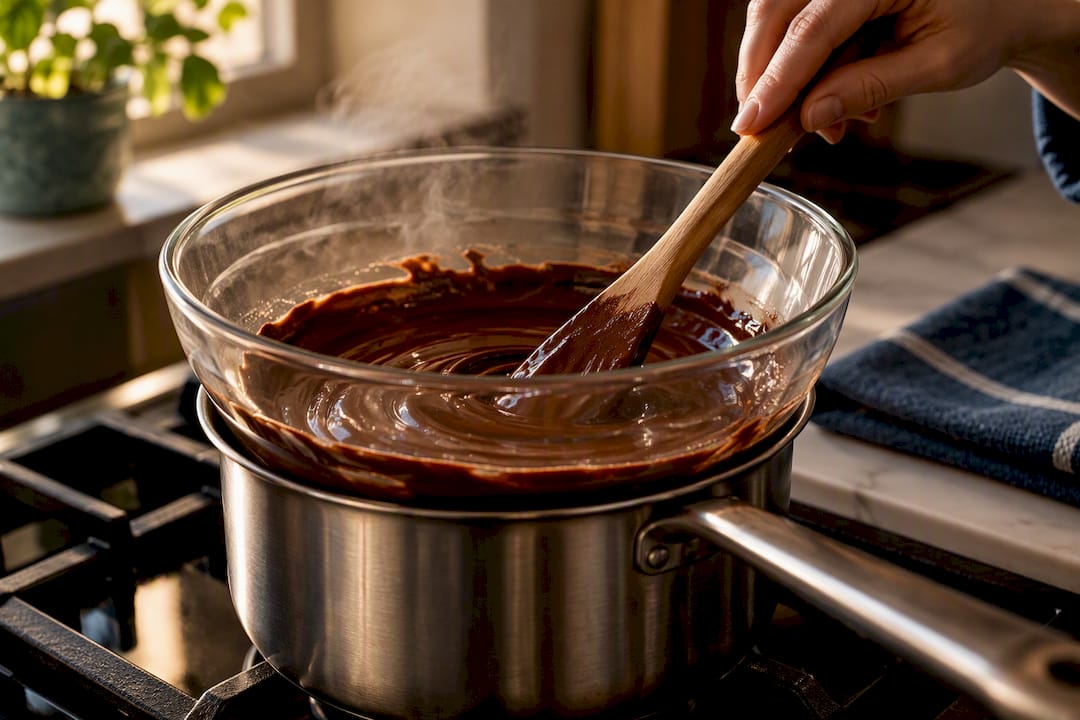
Pro Tip: If your chocolate won’t melt evenly straight into hot milk, warm it first in a bowl set over a pan of simmering water (a bain-marie) until it’s just liquid, then whisk it into your warmed milk. It’s an extra step, but it eliminates almost every seizing problem.
Milk choice changes the outcome more than most people realize. Whole milk’s fat and protein help emulsify cocoa butter and give body to both drinks. Water works fine for cocoa powder, since there’s no fat to emulsify, but it makes hot chocolate taste thin and one-dimensional. Plant milks behave differently depending on their protein and fat content: oat milk tends to froth and thicken nicely, almond milk runs thinner and needs a heavier hand with chocolate, and soy milk’s protein content makes it one of the better dairy-free options for a rich, steamed cup.
Which One Fits Your Moment: Texture, Sweetness, and Occasion
Texture is the fastest way to tell these drinks apart once they’re in the mug. Cocoa butter physically coats your tongue, which is why real drinking chocolate feels thick, almost syrupy, and lingers after each sip. Cocoa powder produces a thinner, more watery body since there’s little to no fat suspended in the liquid.
Sweetness works in the opposite direction than people assume. Cocoa powder gives you full control since you add sugar yourself, tablespoon by tablespoon. Drinking chocolate’s sweetness is baked in at the manufacturing stage and depends heavily on cacao percentage. A higher-percentage chocolate, say 70% cacao, brings more bitterness and less added sugar, while a lower-percentage bar or drinking chocolate blend skews noticeably sweeter.
Here’s a practical way to match the drink to the moment:
- Serving a crowd or kids: cocoa powder wins on speed, cost, and easy sugar control.
- A slow, dessert-style sip after dinner: drinking chocolate delivers the richer, more indulgent experience worth savoring.
- Batch-brewing for a café counter or holiday party: cocoa-based mixes scale faster without sacrificing consistency.
- Impressing a guest or gifting a thoughtful treat: a high-quality drinking chocolate with a clear cacao percentage on the label reads as more premium.
Cost and convenience track the same split. Instant cocoa mixes are cheap, shelf-stable, and nearly foolproof, which is exactly why they dominate school cafeterias and ski lodges. Real melted chocolate asks more of you: better ingredients, a little more attention at the stove, and usually a higher price per cup. Neither is objectively better. They’re built for different afternoons.
What the Science Actually Says About Cocoa and Chocolate Drinks
Cacao contains flavanols, plant compounds linked to some cardiovascular benefits in research, but the health picture for a mug of hot chocolate is far messier than “cocoa is good for you.” Finished chocolate drinks and mixes often carry meaningful added sugar and fat, and the overall health profile depends entirely on the recipe, the serving size, the milk used, and any toppings piled on top.
A caution worth remembering: much of the flavanol research making headlines studies concentrated cacao extracts, not the sweetened, milk-diluted hot chocolate sitting in your mug. That distinction gets lost constantly in casual reporting, and it’s a mistake to extrapolate supplement-level findings directly onto an everyday sweetened drink.
Dutch-processed cocoa complicates the picture further. The alkalizing step that mellows its flavor also strips out some of the flavanol content compared to natural cocoa, so if you’re chasing whatever benefit those compounds offer, natural cocoa is the better bet, even though it tastes sharper.
The real variable isn’t cocoa versus chocolate. It’s what gets added on top of either one. A cup of unsweetened cocoa powder mixed with water has a completely different nutrition profile than the same powder stirred into whole milk with whipped cream and a drizzle of syrup. If you’re trying to keep a lighter cup without losing flavor, a few adjustments go a long way:
- Choose unsweetened cocoa powder and add your own sugar in small increments.
- Reach for a higher-cacao chocolate (60% or above) and use a smaller portion, since the flavor is more concentrated.
- Skip the whipped cream and marshmallows most days. Save them for when the drink is meant to be a genuine dessert.
- Watch the milk. Whole milk and cream add richness, but a splash less than you think still tastes indulgent.
How to Read a Label Before You Buy
Most confusion between these two drinks happens at the shelf, not the stove. The ingredient list is the single most reliable clue you have, and checking what comes first on that list beats trusting the front-of-package marketing every time.
- If cocoa powder appears near the top with sugar listed separately, you’re looking at a genuine cocoa-based product where you control sweetness.
- If sugar is the very first ingredient, you’re holding a sweetened instant mix built for speed, not nuance.
- If cocoa mass, cocoa liquor, or chocolate shows up high on the list, that’s a true drinking chocolate product, closer to melting a chocolate bar than mixing a powder.
- Powdered milk, stabilizers, or emulsifiers further down the list usually indicate an instant mix designed for shelf stability rather than a chocolatier-style product.
Once you’ve confirmed what type of product you’re holding, the choice between natural and Dutch-processed cocoa comes down to what you want in the cup. Reach for natural cocoa when you want brightness and a little acidity, especially if you’re pairing it with something sweet to balance it out. Choose Dutch-processed when you want a mellow, dark, almost dessert-like flavor with no sharp edges. Neither is more “authentic” than the other. They’re just built for different palates.
Font’s Practical Tips for a Better Cup at Home
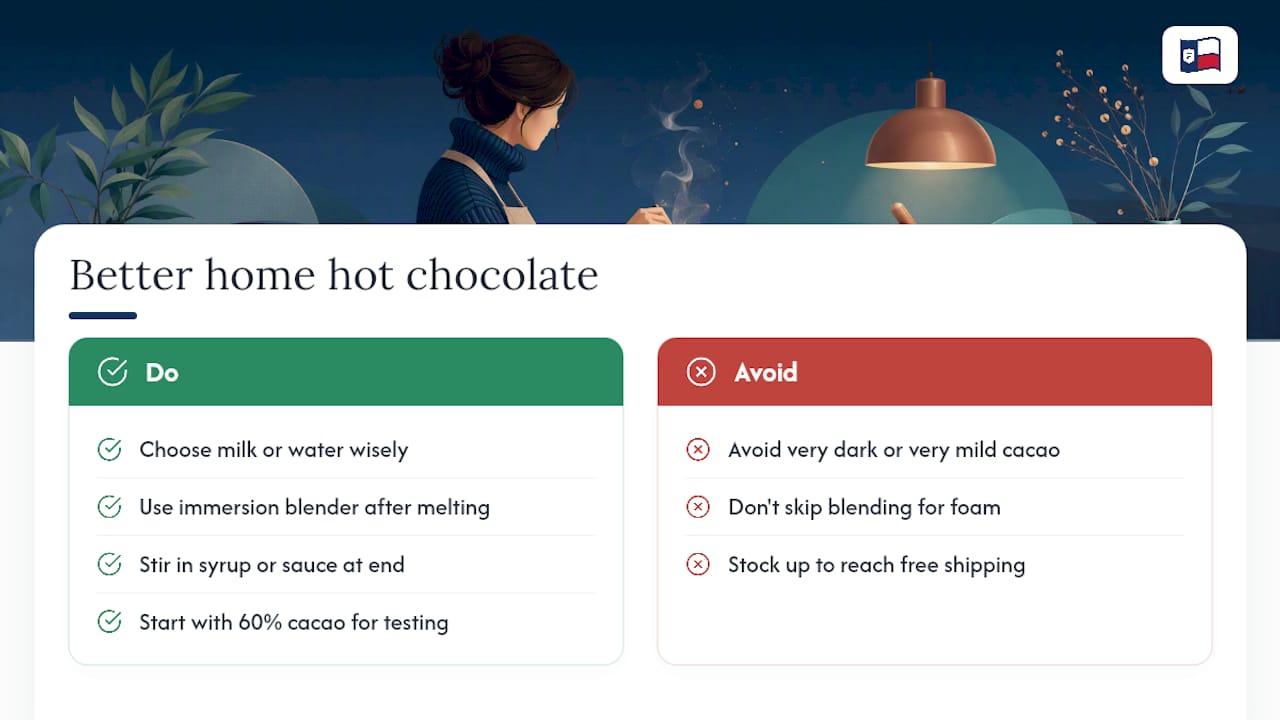
Milk versus water changes more than most recipes admit, and Font’s own breakdown of hot chocolate water vs milk covers exactly when each makes sense and how steaming or blending affects the final texture. A quick immersion blender pass after melting the chocolate does wonders for that café-style foam without needing a full espresso setup.
If you want to customize sweetness or add a flavor layer, a flavor syrup or sauce stirred in at the end turns a basic mug into something closer to a specialty drink, and Font’s guide on syrup versus sauce explains which one to reach for depending on the texture you’re after. Orders over a certain amount ship free, which makes it easier to stock up on drinking chocolate, cocoa, and syrups in one go. Start around 60% cacao if you’re testing drinking chocolate for the first time. It’s a solid middle ground between bitterness and sweetness before you branch into darker or milder options.
A Quick Rule of Thumb for Choosing
If I’m making a batch for a family movie night or a group of kids, cocoa powder wins every time. It’s fast, forgiving, and cheap enough that nobody worries about wasting it. If it’s just me at the end of a long day, or I’m making something for a guest I actually want to impress, real drinking chocolate is worth the extra five minutes. The only real discipline is not treating every cup like dessert. Save the cream and marshmallows for when the drink is genuinely meant to feel indulgent, not for a Tuesday.
— Rosario
Stock Your Kitchen: Where to Start With Font
Font’s Specialty Offerings collection is where the cacao-percentage question from earlier actually gets solved: instead of guessing at a grocery store shelf, you can compare drinking chocolate and cocoa options side by side and pick based on what this article just covered, not front-of-package marketing.

If you’re leaning toward a rich, velvety cup, look for a mid-range drinking chocolate with a clear cacao percentage listed, somewhere around 60% is the easiest starting point. If you want more control over sweetness and a lighter drink, a Dutch-processed cocoa powder gets you there with less guesswork. Either way, pair it with something from the Syrups and Sauces collection if you want to build your own flavored version at home, whether that’s a caramel drizzle or a hint of vanilla. Orders over a certain amount ship free, and fulfillment moves fast, so there’s no reason to wait until your next grocery run to upgrade what’s in your mug. Browse the full lineup at Font-mag and pick your starting point tonight.
Sources
- Marthastewart
- Hot Cocoa vs. Hot Chocolate: Is There a Difference? | Epicurious
- You want chocolate? You need flavanols | Harvard Gazette
FAQ
Are Hot Chocolate and Hot Cocoa the Same Thing?
No. Hot chocolate is made from real melted chocolate that retains its cocoa butter, giving it a thicker, richer texture. Hot cocoa is made from cocoa powder, which has had most of that cocoa butter pressed out, producing a lighter, thinner drink.
Is Hot Cocoa or Hot Chocolate Healthier?
Neither wins automatically. The health impact depends on the recipe, serving size, milk choice, and toppings, not just whether you start with cocoa powder or melted chocolate. Unsweetened cocoa powder tends to give you the most control over added sugar since you sweeten it yourself.
Is Cocoa Powder Better Than Hot Chocolate?
“Better” depends on what you want. Cocoa powder is cheaper, faster, and easier to control for sweetness, which makes it practical for everyday drinking or serving a crowd. Drinking chocolate delivers a richer, more velvety texture thanks to its retained cocoa butter, which makes it better suited for a slower, more indulgent cup.
Which Is Healthier, Cocoa or Chocolate?
Cacao itself contains flavanols tied to potential cardiovascular benefits, but most flavanol research studies concentrated extracts rather than the sweetened drinks people actually make at home. In practice, unsweetened cocoa powder with controlled added sugar is usually the lighter option, while chocolate’s health profile swings with its cacao percentage and how much sugar it already contains.
Can I Make Cocoa From Scratch Using Cacao Nibs?
Yes, though it takes more effort than opening a tin of cocoa powder. Cacao nibs can be ground and pressed to separate cocoa solids from cocoa butter, but without commercial pressing equipment, home cooks typically get a coarser, higher-fat result closer to a rough chocolate paste than store-bought cocoa powder.