
Local Coffee Subscription Setup Guide for Enthusiasts
Getting fresh, locally roasted coffee delivered to your door sounds simple. It rarely is. Without a solid local coffee subscription setup guide, most people either over-order and end up with stale beans, or they miss out on the best local roasters entirely because those roasters don’t advertise subscriptions loudly. This guide walks you through exactly what to prepare, how to set everything up step by step, and how to avoid the mistakes that kill the experience before it even starts. Whether you’re figuring out how to start a coffee subscription from scratch or you’ve tried before and it fell flat, this is the resource you need.
Table of Contents
- Key takeaways
- Your local coffee subscription setup guide starts here
- How to set up your local coffee subscription
- Common mistakes that derail local subscriptions
- What you actually gain from a local subscription
- My honest take on local coffee subscriptions
- Start your subscription with Font Coffee Roasters
- FAQ
Key takeaways
| Point | Details |
|---|---|
| Assess your habits first | Know your weekly consumption and brewing method before contacting any roaster. |
| Freshness has a deadline | Coffee flavor drops significantly after about 30 days post-roast, so match delivery frequency to consumption. |
| Communicate with your roaster | Clear, direct communication about preferences and adjustments keeps your subscription working well. |
| Start small, then scale | Begin with a monthly smaller order and adjust after two or three shipments based on real usage. |
| Local beats multi-roaster for freshness | Single-source local subscriptions typically deliver fresher coffee than rotating multi-roaster services. |
Your local coffee subscription setup guide starts here
Before you contact a single roaster or fill out a subscription form, you need to do a short audit of your own habits. This step is where most people skip ahead and regret it.
Know your consumption before anything else
How much coffee do you actually drink in a week? One 12-ounce bag typically yields around 17 to 20 cups of drip coffee. If you’re pulling espresso shots, that number drops fast. Write it down. A rough weekly cup count translates directly into the bag size and delivery frequency you’ll need, and getting this wrong is the number one reason subscriptions go sideways.
Your brewing method also matters more than people realize. A French press uses a coarser grind, a pour-over needs medium-fine, and espresso machines require fine. Most local roasters will grind to order, but you need to tell them. If you own a quality burr grinder, always request whole beans. Ground coffee loses its best flavor within days of opening.
Survey your local roaster options
Not every local roaster offers a formal subscription. Some run them quietly through their website, others only do it by email, and a few will set one up if you simply ask. Check local coffee shop websites, visit in person, and search for “local coffee shop subscriptions” in your city. Ask directly whether they ship within your delivery zone or handle local drop-offs.
Local delivery schedules vary significantly by roaster capacity and geography, so confirm your address falls within their service area before you commit. Some roasters only deliver on specific days of the week, which affects how you plan your stock.
| What you need | Why it matters |
|---|---|
| Weekly cup count | Determines bag size and delivery frequency |
| Brewing method and grind preference | Affects how roaster prepares your order |
| List of local roasters with subscriptions | Gives you real options to compare |
| Your delivery address and zone | Confirms eligibility for local delivery |
| Budget per month | Narrows your subscription tier choices |
Pro Tip: Call or email your top two or three local roasters and ask if they offer a subscription, even if it’s not listed on their site. Many small roasters will create a custom arrangement for a reliable repeat customer.
How to set up your local coffee subscription
With your preferences mapped out, you’re ready to actually set up coffee subscription service. Here’s the process in order.
-
Decide on frequency and quantity. Use your weekly cup count to calculate a monthly total. Starting with monthly delivery of a smaller quantity and adjusting after a few shipments is the approach most experts recommend. Resist the urge to order a large bag upfront.
-
Choose your roaster. Compare the local options you surveyed. Prioritize roasters who roast to order or within a day or two of shipping. Local roaster subscriptions consistently provide better freshness than multi-roaster services because the supply chain is shorter and you can verify roast dates directly.
-
Contact the roaster and set your preferences. Specify your grind setting, preferred roast level (light, medium, dark), and any flavor notes you enjoy. Ask about their roast schedule so your delivery arrives within days of roasting, not weeks.
-
Set up payment and delivery logistics. Most local roasters accept recurring payment through their website or a simple invoice arrangement. Confirm delivery days, whether they leave packages at the door, and how they handle missed deliveries.
-
Track your first two orders. Note the roast date on the bag when it arrives. Log how quickly you go through it. This data tells you whether to increase or decrease frequency before you’re locked into a rhythm.
-
Adjust and communicate. After two or three deliveries, reach out to your roaster with feedback. Subscriptions have matured to accommodate a wide range of preferences, from casual drinkers to home baristas pulling competition-level shots, so most roasters expect and welcome this kind of dialog.
| Option | Freshness control | Flexibility | Personal connection | Best for |
|---|---|---|---|---|
| Local roaster subscription | High | Medium to high | High | Freshness-focused drinkers |
| DIY direct ordering | Very high | Very high | High | Irregular consumption patterns |
| Multi-roaster subscription service | Medium | High | Low | Variety seekers |
Pro Tip: Ask your roaster to stamp or write the roast date on every bag. If they don’t do this by default, it’s a yellow flag about how seriously they take freshness.
Common mistakes that derail local subscriptions
Even a well-planned subscription can go wrong. Here’s where people consistently stumble, and how to fix it.
-
Over-ordering. Coffee loses peak flavor significantly after about 30 days post-roast. Ordering a 5-pound bag when you drink 12 ounces a week means you’re drinking stale coffee by week three. Start with 12 ounces or 1 pound, then scale up only after you’ve confirmed your actual consumption rate.
-
Ignoring seasonal availability. Small-batch exclusive lots require planning months in advance. If your roaster sources a particular single-origin you love, ask them to notify you when it’s available and whether you can reserve it as part of your subscription.
-
Skipping the feedback loop. Many subscribers set up their order and go silent. Roasters appreciate knowing what’s working. A quick email after your third delivery builds a relationship that often results in better service, early access to new roasts, and more flexibility.
-
Not confirming delivery zones. Assuming a local roaster delivers to your address without checking is a common and frustrating mistake. Delivery zones are real constraints tied to driver routes and roaster capacity.
-
Choosing grind over whole bean when you have a grinder. Pre-ground coffee oxidizes fast. If you own a burr grinder, always order whole beans and grind fresh. Tracking your brewing outcomes and noting which grind settings produce the best cup helps you dial in your preferences over time.
“The best subscription is the one that fits your actual life, not the one that looks impressive on paper. Start small, pay attention, and adjust. That’s the whole system.”
What you actually gain from a local subscription
The practical benefits go beyond convenience. Here’s what a well-run local coffee subscription delivers over time.
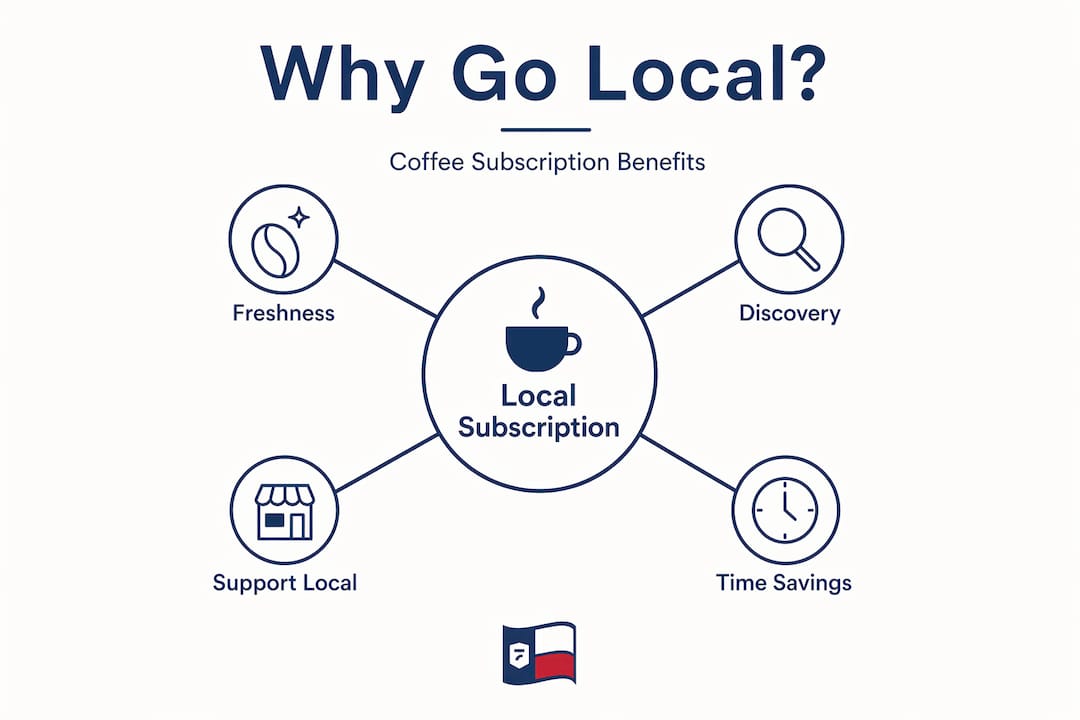
Freshness is the obvious one. When you buy coffee off a grocery shelf, you often have no idea when it was roasted. With a local subscription, you can receive coffee roasted within 48 hours of delivery. That difference in cup quality is not subtle.
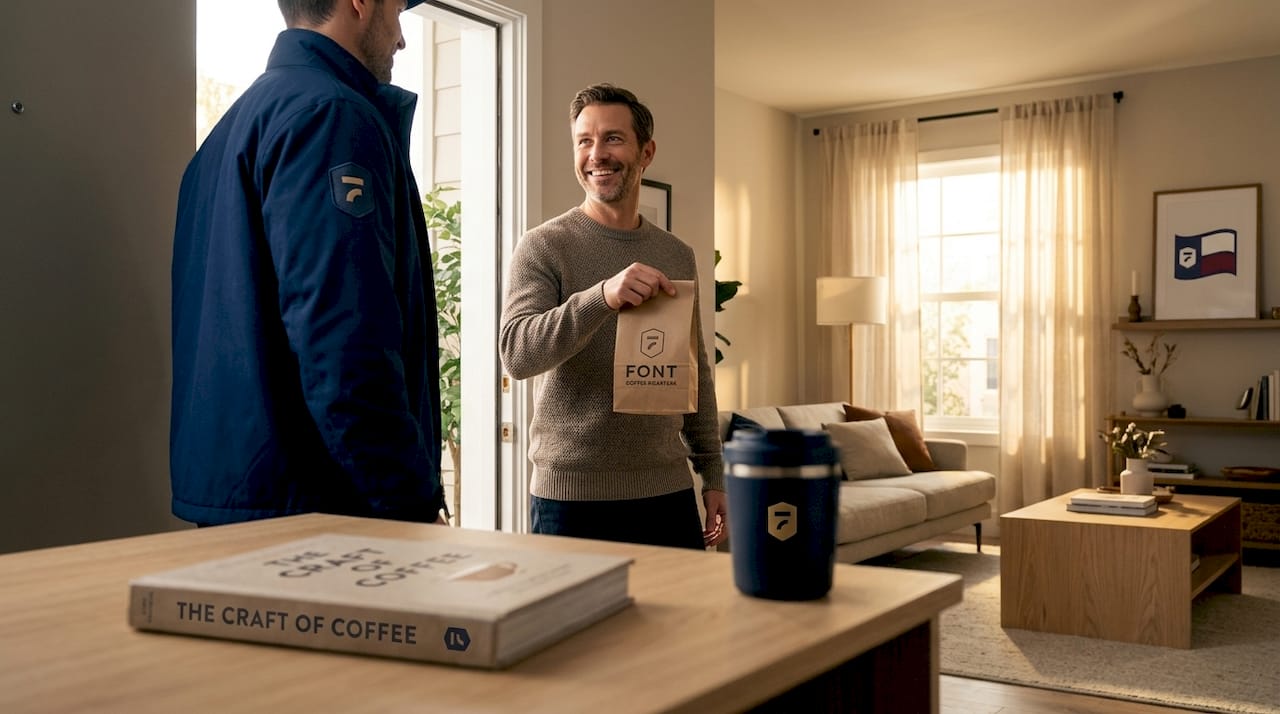
Supporting local roasters matters beyond the feel-good factor. Engaging directly with local roasters and their unique blends strengthens small business sustainability and keeps specialty coffee culture alive in your community. Your subscription is predictable revenue for them, which means they can invest in better sourcing and equipment.
Discovery is underrated. A good local roaster rotates their offerings seasonally. A subscription puts you in line for new arrivals before they sell out. You’ll encounter processing methods, origins, and flavor profiles you’d never find at a chain retailer.
Consistent subscriptions also favor roaster sustainability, which creates a feedback loop: loyal subscribers get better service, better access, and often better pricing over time. It’s a relationship, not just a transaction.
Finally, the time savings are real. No last-minute coffee runs, no settling for whatever’s on the shelf. Your morning ritual becomes more intentional because the ingredients are always there, always fresh.
My honest take on local coffee subscriptions
I’ve spent years watching people set up coffee subscriptions, get excited for two months, and then quietly let them lapse. The reason is almost always the same: they optimized for variety instead of consistency, or they ordered too much and spent the last two weeks of every month drinking coffee that tasted flat.
What I’ve found actually works is treating your local subscription like a utility, not a luxury. You don’t overthink your internet bill. You pay it, it works, you move on. Coffee should be the same. Pick one roaster you trust, get your frequency right, and let it run. The magic isn’t in rotating through a dozen roasters. It’s in getting to know one roaster’s sourcing philosophy deeply enough that you can predict what you’ll love before it even arrives.
The unusual benefit nobody talks about is the knowledge transfer. When you subscribe locally and communicate with your roaster, you start learning things. Why a washed Ethiopian tastes different from a natural one. Why your pour-over tastes brighter on Tuesdays when the bag is fresh. That education doesn’t happen when you’re clicking through a multi-roaster subscription catalog.
My take: multi-roaster subscriptions are fine for exploration, but local single-roaster subscriptions are where real coffee appreciation develops. Start local, go deep, and you’ll never go back to the rotating-box model.
— Rosario
Start your subscription with Font Coffee Roasters
If you’re ready to put this guide to work with a roaster you can actually trust, Font-mag is built for exactly this. Font Coffee Roasters brings four generations of Texas roasting expertise to every small-batch order, and their lineup is designed for subscribers who care about what’s in their cup.
Whether you want a bulk subscription option for a household that runs through coffee fast, a decaf subscription for evening drinking without the caffeine, or a wholesale decaf option for larger needs, Font-mag has it covered. Font Coffee also offers the Sweetbird syrup collection and specialty teas, so you can build a full at-home coffee experience around your subscription. Free shipping on orders over $35 makes it even easier to get started.
FAQ
What is a local coffee subscription?
A local coffee subscription is a recurring arrangement where a nearby roaster delivers freshly roasted coffee to you on a set schedule. It differs from national subscription boxes by prioritizing proximity, freshness, and a direct relationship with the roaster.
How often should I receive coffee deliveries?
Match your delivery frequency to your actual consumption. Most coffee drinkers do well with a monthly delivery of 12 ounces to 1 pound, adjusting up or down after the first few shipments based on how quickly they go through it.
Does local coffee stay fresher than subscription box coffee?
Yes. Local roasters typically roast to order and deliver within days, while multi-roaster subscription services often involve longer transit times. Coffee flavor peaks in the first two to three weeks post-roast, so shorter supply chains mean better cups.
Can I customize grind size and roast level with a local subscription?
Most local roasters offer full customization on grind size, roast level, and bag size. This is one of the key advantages of a local coffee subscription over larger national services, which often have limited options.
What should I do if my delivery is late or incorrect?
Contact your roaster directly and as soon as possible. Most local roasters have small teams and respond quickly to issues. Keeping a record of your order details and roast dates makes it easier to resolve mix-ups and build a better long-term arrangement.