

Top 6 Rose Syrup for Matcha Alternatives 2026
Finding a specialty beverage syrup that delivers natural rose flavor for matcha drinks is difficult. Most mainstream syrups rely on artificial sweeteners or lack organic certification, which limits transparency and taste. This list compares floral syrups, ingredient sourcing, and price so you can choose a rose syrup alternative that matches your recipe and sourcing needs.
Table of Contents
font-mag.com
At a Glance
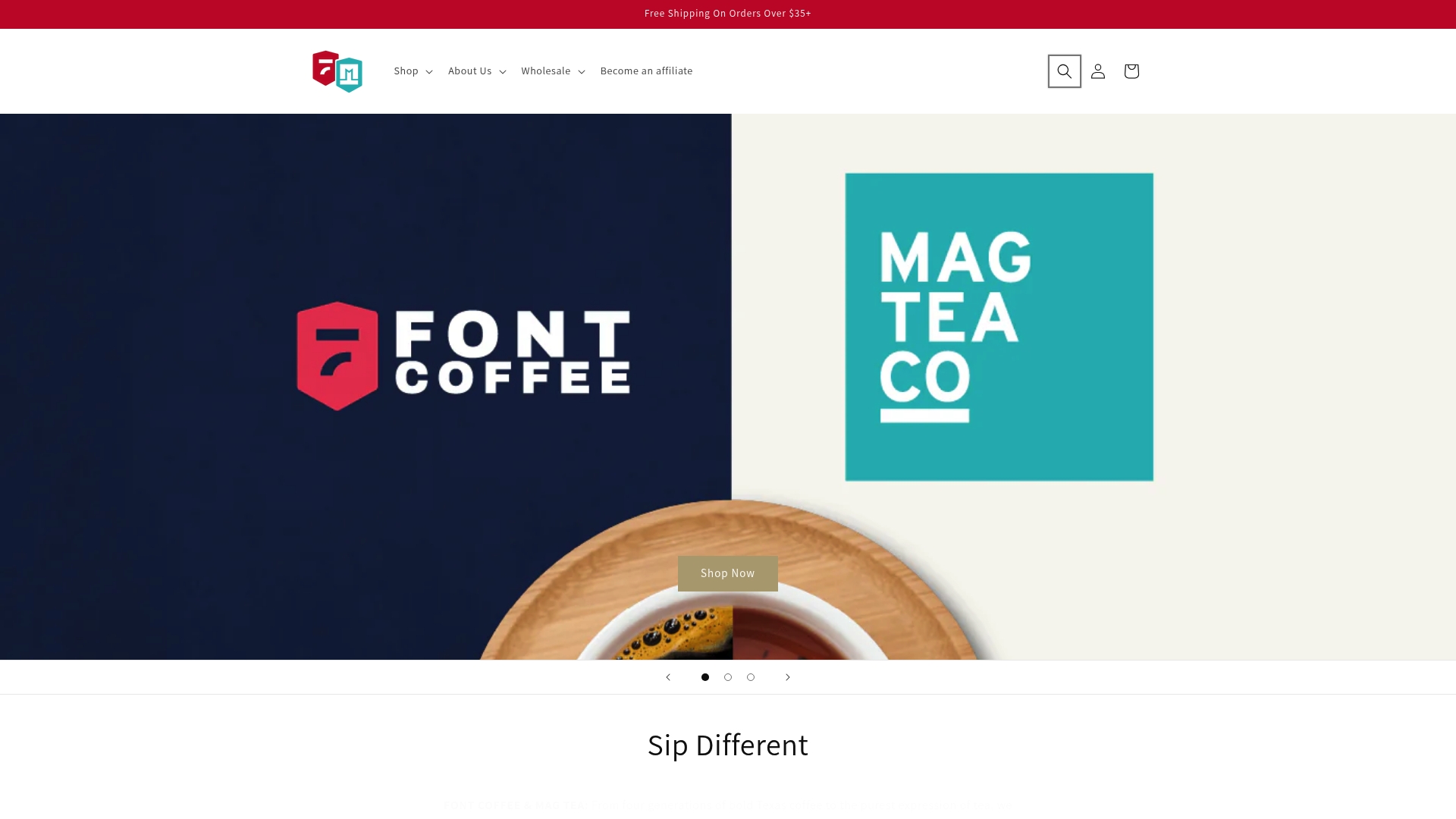
Built on four generations of Texas craftsmanship, Font-mag curates specialty coffees, teas, and café ingredients. The catalog includes small batch beans like Broken Arrow Reserve, Japanese matcha, MAG Tea, and the Sweetbird syrup collection. Its selection and free shipping on orders over $35 make it a practical source for rose syrup for matcha alternatives.
Core Features
Curated offerings cover single origin beans, flavored blends, loose leaf teas, syrups, sauces, and specialty powders. Customers can choose a subscription for regular deliveries, access wholesale pricing for bulk orders, or join a loyalty program and affiliate partnerships. Font-mag advertises free shipping for orders over $35 and fast fulfillment to support cafes and home enthusiasts.
Key Differentiator
Four generations of Texas craftsmanship shape Font-mag’s sourcing and curation. That heritage pairs small batch coffees, specialty Japanese matcha, and the Sweetbird syrup lineup into a coherent cafe ready catalog. This focus helps cafes and home baristas find matched ingredients rather than scattered one off items.
Pros
The catalog covers a wide spectrum from single origin beans to syrups and specialty powders, which supports creative matcha and syrup pairings. A subscription service and wholesale options let regular buyers save time and lock in supply for a cafe. A loyalty program and free shipping on orders over $35 reward frequent purchases and reduce per item cost.
Cons
- Limited international shipping beyond North America restricts access for overseas baristas seeking specialty syrups.
Who It’s For
Home baristas who prize quality and craft will find curated beans, matcha, and syrups suited to recipe experimentation. Small cafes and restaurants can use wholesale pricing and subscriptions to stabilize inventory. Gift buyers and food service providers will value curated sets and a single supplier for diverse beverage needs.
Unique Value Proposition
Stocking the Sweetbird syrup collection next to small batch beans like Broken Arrow Reserve and MAG Tea matcha creates a single source for paired recipes. Cafes can order beans and cafe grade syrups from one vendor and reduce supply friction. Subscription discounts of 10–15% and wholesale pricing lower unit costs for recurring menu items.
Real World Use Case
A customer subscribes to monthly deliveries of medium roast beans and two syrup flavors to test rose pairings. They use wholesale ordering to restock and the loyalty program to offset seasonal promotions. Fast fulfillment keeps inventory steady during busy periods and speeds recipe iteration for matcha alternatives.
Pricing
Most products range from $14.95 to $75.00 USD. Subscription discounts apply roughly 10–15% and wholesale pricing is available on bulk orders. Font-mag advertises free shipping on orders over $35 and fast fulfillment across the United States.
Website: https://font-mag.com
Monin
At a Glance
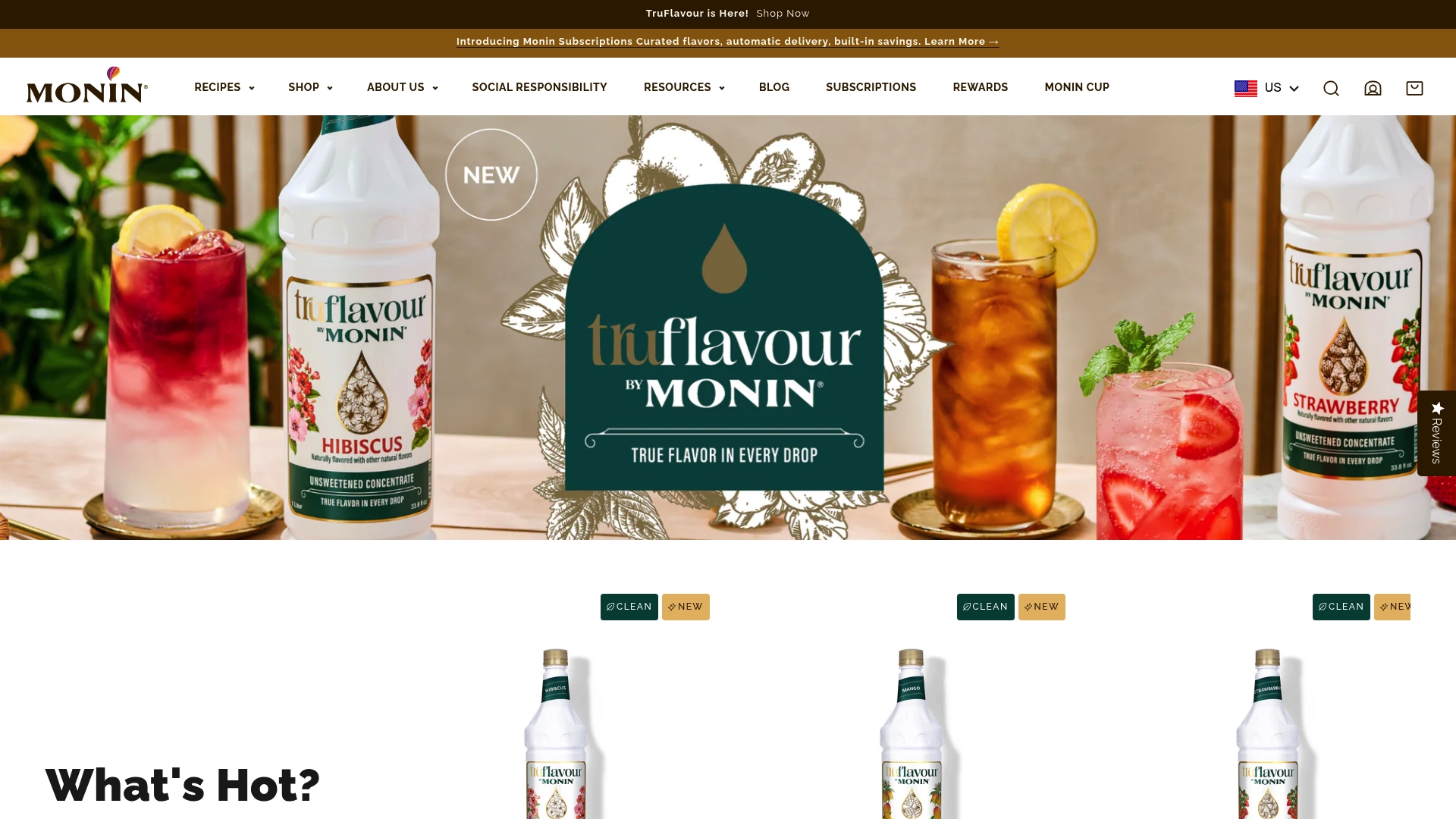
Monin advertises a flavor portfolio of over 200 options, a detail that directly benefits cafés and home mixologists seeking variety. The brand mixes retail bottles with commercial pack sizes, so baristas can buy single bottles or larger quantities for a menu. Free shipping applies to orders over $40 within the contiguous US, which reduces cost for regular buyers.
Core Features
Monin combines a broad flavor catalog with a subscription service that delivers curated flavor collections on a schedule. The store lists syrups, sauces, and concentrates designed for coffee, cocktails, and culinary uses, and offers bulk and set options for commercial buyers. The site highlights natural ingredients and clean label options while providing an online shopping experience aimed at both pros and home users.
Key Differentiator
The most distinct element is the pairing of a large natural-flavor lineup with curated subscription collections. That mix helps cafés rotate flavors without manual sourcing and gives home users a steady stream of new options. The emphasis on clean label choices positions Monin slightly more toward quality-minded buyers than generic syrup makers.
Pros
The catalog breadth supports creative menu work and seasonal specials, letting you test unusual pairings without long lead times. Natural-ingredient options suit customers who ask about sourcing, and the brand offers commercial pack sizes for high-volume service. The online store groups flavors into themed collections, which saves time when you want a cohesive set for mocktails or specialty lattes.
Cons
- Many items show as sold out or unavailable, which interrupts menu planning and subscription expectations.
- Pricing skews above generic alternatives, making small-batch experiments more costly for budget-conscious home users.
- International shipping details are limited, so buyers outside the US may face restricted access and extra freight costs.
- Occasional website maintenance can block checkout during peak ordering windows.
When It May Not Fit
If you need guaranteed global distribution for a multi-venue operation, Monin may limit your selection because of regional shipping gaps. High-volume buyers who require strict, continuous stock should verify availability before committing to a menu. Budget-minded operators will find cheaper generic syrups that match basic flavor needs at a lower price point.
Who It’s For
This fits baristas, beverage directors, and home enthusiasts who prioritize flavor variety and ingredient transparency. Small cafés and catering businesses that rotate seasonal menus will benefit from curated sets and commercial pack options. Culinary professionals who use syrups as recipe components will value consistent flavor profiles and the organized catalog.
Real World Use Case
A café owner subscribes to a curated flavor collection to receive three to four new syrups each quarter. The barista tests two flavors as limited-time lattes and adds one to the permanent menu after strong customer response. The subscription cuts ordering time and introduces options the team would not source individually.
Pricing
Most syrups and sauces range between $12 and $23 USD per bottle, depending on size and formulation. Subscription buyers receive discounts for recurring orders and curated collections. Orders over $40 qualify for free shipping within the contiguous US.
Website: https://monin.com
Torani
At a Glance
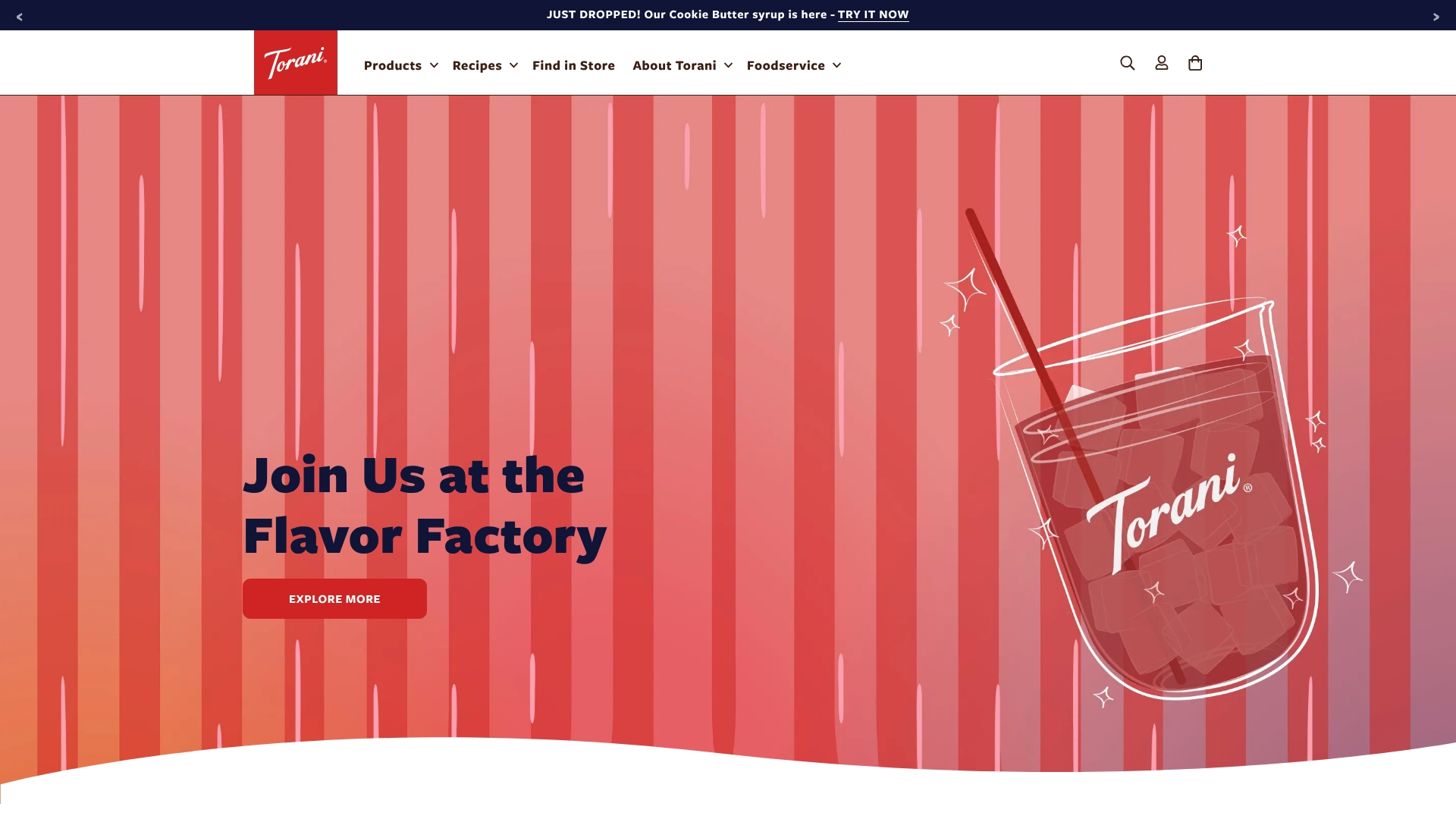
Torani holds B Corp certification and offers subscription shipping for regular syrup deliveries. The brand covers both consumer shelves and foodservice channels with many flavor options. Its product mix includes sugar-free alternatives and recipe resources aimed at home and café use.
Core Features
Torani sells a wide array of syrups, sauces, and enhancers for coffee, tea, cocktails, and cooking, including sugar-free and zero-sugar options. The site publishes recipe ideas and usage tips, and the company maintains distinct retail and foodservice product lines. Subscription and auto-delivery reduce reordering work for busy cafes and home baristas.
Key Differentiator
Torani stands out for a deep, accessible catalog that pairs flavor variety with a visible community and sustainability focus. That combination targets both hobbyist drink makers and hospitality professionals who want consistent flavor options plus resources for menu development.
Pros
Torani offers an extensive flavor selection that helps you craft signature matcha and coffee drinks without complex sourcing. The brand pairs consumer and professional product lines, so you can buy retail bottles or larger foodservice formats. Torani’s website supports that with recipes, blogs, and community initiatives that spark menu ideas and seasonal rotations.
Cons
- Primarily ships within the United States, limiting international customers.
- Prices fall in the mid to high range for specialty syrups, which raises per-bottle cost for small operators.
- Consumer-level bulk discounts are limited compared with dedicated wholesale suppliers.
- The sheer number of flavors can overwhelm newcomers looking for a simple starting palette.
When It May Not Fit
If you need global distribution or fast international restock, this brand may not meet your logistics needs. If you buy very large volumes and want steep bulk pricing, a foodservice-only distributor might offer better rates. If you prefer a tiny curated lineup, Torani’s broad catalog could feel excessive.
Who It’s For
This offering suits home baristas, small café owners, and culinary hobbyists who value a broad flavor palette and sustainable sourcing. It also fits foodservice professionals who want consistent retail and commercial formats. People who enjoy experimenting with flavored matcha and seasonal drinks will find practical support in Torani’s recipe resources.
Real World Use Case
A small café subscribes to monthly shipments of several Torani syrups to keep a rotating menu of flavored matcha lattes and cocktails. The team uses online recipes to test two seasonal drinks per month. Customers respond to consistent taste and new combinations, which helps the menu feel fresh.
Pricing
Most Torani syrups and sauces retail between $7.99 and $13.99 for 750ml bottles. Discounts apply for subscription orders and larger purchases, and the company offers free shipping on orders over $59.
Website: https://torani.com
Giffard
At a Glance
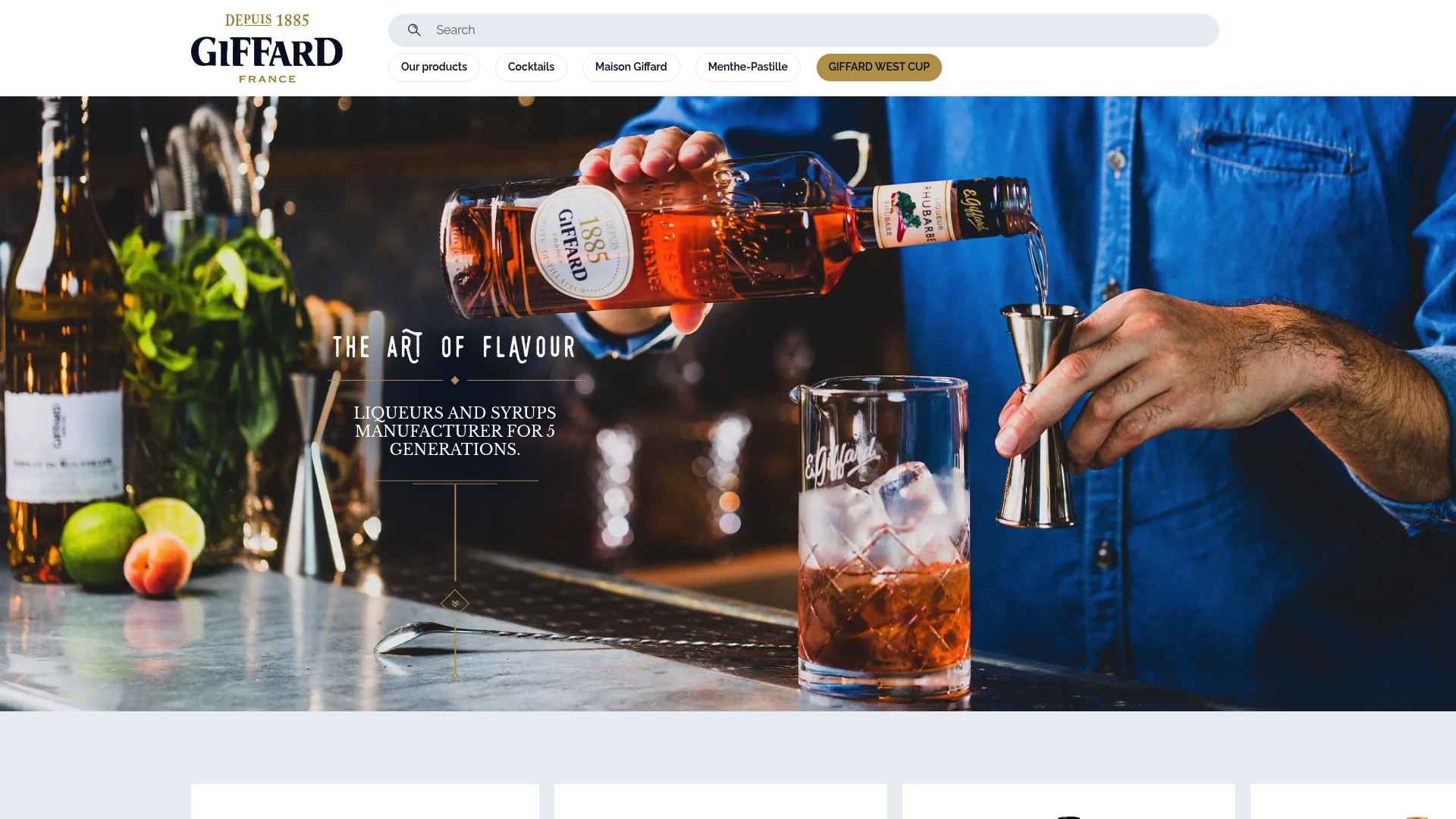
Giffard traces five generations of flavor crafting at a single distillery in France. The house bottles a broad set of syrups, liqueurs, and alcohol free spirits aimed at professional bars and serious home mixologists. Visitor tours of maceration and distillation facilities reinforce the brand story and craftsmanship.
Core Features
Artisanal production focuses on flavor extraction from carefully sourced fruits and plants, and the range spans liqueurs, syrups, alcohol free spirits, and gourmet sauces. The company stays active in cocktail competitions and collaborations with bartenders, which feeds product development. The distillery offers behind the scenes tours that show maceration and distillation techniques.
Key Differentiator
Long heritage plus hands on flavor sourcing sets Giffard apart from larger industrial suppliers. That combination ties strict craft methods to ongoing recipe innovation and a stated commitment to sustainable sourcing. The result suits buyers who want traceable flavor origins and craft narratives for cocktail menus.
Pros
Giffard brings deep artisanal expertise and a heritage that matters to beverage professionals. The portfolio covers syrups and liqueurs many bars already recognize, and the brand engages directly with bartenders through competitions and collaborations. Commitment to reasoned sourcing strengthens menu storytelling and supports chefs and mixologists who care about ingredient provenance.
Cons
-
Limited international distribution outside key markets can make some products hard to obtain.
-
Premium pricing reflects artisanal methods and heritage, and may stretch smaller retail budgets.
-
Focus remains on beverages and flavors, so broader retail categories are not well represented.
-
Retail presence beyond online and specialty outlets is limited in some regions.
When It May Not Fit
If you need large volume discounts for mainstream retail, Giffard may not match those purchasing models. Buyers outside the brand’s distribution footprint will face sourcing challenges. If you require mass market non alcoholic formats in bulk, choices may be limited.
Who It’s For
Culinary and beverage professionals who value handcrafted flavor extracts will find Giffard useful. Sophisticated home cocktail enthusiasts and niche retail buyers seeking premium syrups and liqueurs also match the brand. Bars that use provenance and story as part of their menu will gain the most.
Real World Use Case
A bartender tours the distillery to study maceration techniques and then selects signature syrups and liqueurs for a high end cocktail list. The same syrups work as floral modifiers for matcha based drinks when a mixologist wants a rose or fruit accent. Chefs apply the syrups in dessert sauces and plated presentations.
Pricing
Giffard sits in the premium segment with bottles typically priced around 10–50 EUR per bottle depending on product and format. Specialty products and larger formats carry higher price points. Shipping policies and local taxes vary by region and affect the delivered cost.
Website: https://giffard.com
1883 Maison Routin
At a Glance
Founded in 1883 in Chambéry, France, 1883 Maison Routin pairs generational syrup making with an active professional training program. The brand maintains an on-site Drink Design Center that works with bartenders and chefs. That combination supports seasonal lines and collections aimed at bar and cafe menus.
Core Features
1883 supplies an extensive catalog of syrups, sauces, and fruit purées that cover cocktail, coffee, and culinary use. The company collaborates directly with drink designers and bartenders and operates a training center for hands-on recipe development and staff education. Global distribution supports commercial supply while seasonal and limited collections give bar teams creative flexibility.
Key Differentiator
The strongest distinction is the brand’s mix of long heritage and active collaboration with professionals. That heritage informs its flavor sourcing and production methods, while collaborations fuel new flavor launches and bar-focused programs. The result is a supplier aimed at creative beverage programs rather than commodity syrup buyers.
Pros
The product line reflects deep craftsmanship and decades of flavor development, which yields authentic, complex profiles for cocktails and specialty coffees. The company supports professionals with training and design resources that shorten recipe development time and sharpen menu storytelling. Wide product diversity and reliable distribution make it easier for cafés and restaurants to maintain consistent flavor across seasonal menus.
Cons
-
Premium pricing that targets professional budgets rather than casual home shoppers.
-
Limited selection for people avoiding alcohol or following strict dietary restrictions.
-
Primarily B2B focus which leaves fewer retail purchase options for home users.
-
Niche flavor profiles may not match mainstream or mass-market preferences.
When It May Not Fit
If you buy syrups only for occasional home use, this range may feel expensive and hard to source. The brand’s commercial focus means some retail SKUs are sparse outside European markets. Shops with narrow budgets or chefs seeking broad supermarket availability will likely prefer a different supplier.
Who It’s For
This line suits beverage professionals, chefs, and serious home enthusiasts who value craft flavoring ingredients and training support. Choose 1883 if you plan to develop signature drinks or seasonal menus and will invest in premium components. It fits teams that want consistent, professionally tested syrups.
Real World Use Case
A mixologist works with 1883 at the Drink Design Center to craft a spring cocktail menu. They test several syrups and sauces, refine garnish and balance, and select a limited set for the seasonal run. The menu launch highlights unique flavor pairings that customers cannot find in standard cafés.
Pricing
Prices vary across items and generally target professional or commercial tiers. Collections and gift sets are available, and current prices are shown on the website for each product. Buyers should expect premium pricing relative to supermarket syrup brands.
Website: https://1883.com
Royal Rose Syrups
At a Glance
Handcrafted in small batch production in Newcastle, Maine, Royal Rose Syrups uses USDA Certified Organic ingredients sourced from local farms. Their floral profiles work well as a rose syrup for matcha when you want clean, natural rose notes instead of artificial sweetness. Glass bottles and seasonal flavor runs make these syrups appealing to cocktail bars and home mixologists who prefer craft ingredients.
Core Features
Royal Rose Syrups focuses on small batch craft syrup and bitters production with USDA Certified Organic and MOFGA approved credentials, non GMO and kosher labels. The lineup spans classic flavors and seasonal releases, and each syrup fits cocktails, baking, cooking, and dessert use. The brand packages in glass bottles with BPA free tops and emphasizes sustainable sourcing and production practices.
Key Differentiator
Royal Rose Syrups centers on handcrafted in Maine production and certified organic ingredients sourced nearby. That local sourcing and small batch approach drives consistent flavor profiles and seasonal variety. The brand leans toward artisanal process and eco friendly packaging rather than industrial scale distribution.
Pros
High quality ingredients from Maine farms give these syrups a straightforward natural flavor that reads clearly in beverages and desserts. The product line carries USDA Certified Organic status plus gluten free and kosher labels for shoppers with dietary priorities. Glass packaging and BPA free tops reduce plastic use and support reuse and recycling for cafes and home bars.
Cons
- Limited international shipping. Customers outside the United States may face restricted delivery options.
- Premium price point compared with mass market syrups. The cost reflects organic sourcing and small batch production.
- Not optimized for large volume commercial buyers. Bulk availability and wholesale discounts are limited.
- Product range focuses on syrups and bitters only. There is no broad beverage equipment or accessory catalog.
When It May Not Fit
If you need large scale, low cost syrup for high volume service, this brand will likely not match your needs. International cafés seeking regular restocks may find shipping options too limited. Buyers who want a full beverage equipment package should look elsewhere.
Who It’s For
This line suits health conscious and environmentally minded home mixologists who value organic certification and traceable sourcing. Professional bartenders and chefs who prefer distinct, seasonal flavors will also appreciate the small batch profiles. Bakers who want floral or classic flavored syrups for finishing and glazing will find practical uses.
Real World Use Case
A home cook stocks several Royal Rose flavors to run a seasonal cocktail menu and a matcha latte rotation. They use a floral syrup to add layered rose aroma to a cold matcha drink without masking the tea. The same bottles serve as dessert drizzle and a quick baking flavoring for tarts.
Pricing
Most syrups range from $2.50 to $4.49 for bottle sizes from 2 oz to 16 oz. Discounts are available for case purchases and bulk ordering, and the company offers free shipping on orders over $75.
Website: https://royalrosesyrups.com
Comparing Specialty Beverage Syrup Providers
Choosing a syrup provider depends on catalog variety, sourcing quality, and shipping options. This table highlights key differences to help you decide.
| Product | Key Features | Best For | Pricing | Notable Limitation |
|---|---|---|---|---|
| Font-mag | Offers curated beans, matcha, and Sweetbird syrups | Home baristas and cafes | $14.95–$75.00 | Limited international shipping |
| Monin | Large flavor variety with natural ingredients | Baristas rotating seasonal menus | $12–$23 USD | Items often display as sold out |
| Torani | Broad syrup selection with B Corp certification | Home baristas valuing sustainability | $7.99–$13.99 USD | Limited depth in consumer bulk discounts |
| Giffard | Artisanal syrups with rich French heritage | High-end cocktail and culinary professionals | €10–€50 per bottle | Limited retail presence in some regions |
| 1883 Maison Routin | Broad catalog with professional training support | Beverage enthusiasts developing unique drinks | Premium pricing | High cost for casual home use |
| Royal Rose Syrups | Organic, small-batch syrups from Maine | Bartenders and chefs prioritizing traceability | $2.50–$4.49 USD | Limited availability for bulk purchases |
How to Find the Best Rose Syrup for Matcha Alternatives
Many cafés and home baristas struggle to find quality rose syrup that complements matcha without overpowering its natural flavor. Font-mag meets that need by offering curated syrups alongside premium matcha and specialty teas. Their selection supports both recipe experimentation and stable menu supply.
Font-mag delivers four generations of Texas craftsmanship with small-batch coffees, Japanese matcha, and the Sweetbird syrup collection. You can balance floral notes perfectly using syrups in the Matcha and Iced Teas collections. Plus, orders over $35 get free shipping with fast fulfillment, which helps home enthusiasts and cafés keep ingredients fresh and ready.
Visit Font-mag to customize your rose syrup and matcha pairings and secure consistent supply with subscription options and wholesale pricing.
FAQ
What makes Font-mag a great choice for purchasing rose syrup for matcha alternatives?
Font-mag provides a curated catalog that includes specialty coffees, teas, and cafe ingredients, essential for creating unique matcha beverages. Their selection features small batch beans, Japanese matcha, and the Sweetbird syrup collection, making it easy to find matched ingredients. You can take advantage of their free shipping on orders over $35, making it a cost-effective option for home baristas and cafes.
How does Font-mag compare to Monin for purchasing rose syrup for matcha alternatives?
Monin offers an extensive flavor portfolio with over 200 options, which helps cafes and home mixologists seeking variety. Font-mag, on the other hand, excels in providing a coherent selection of paired recipes, making it easier to source matched ingredients for specific drink needs. For those prioritizing a streamlined selection of paired products, Font-mag is a better fit.
Does Font-mag provide subscription options for regular delivery of rose syrup for matcha alternatives?
Yes, Font-mag offers a subscription service that allows customers to receive regular deliveries, ensuring a stable supply of their favorite ingredients, including rose syrup. This option is especially beneficial for cafes and home baristas who frequently use these ingredients in their beverages. Subscribing also comes with discounts of 10–15%, enhancing cost efficiency for regular buyers.
What pricing range can I expect from Font-mag for rose syrups used in matcha alternatives?
Prices for products at Font-mag generally range from $14.95 to $75.00 USD, which includes various specialty syrups suitable for matcha. This pricing structure, combined with free shipping on orders over $35, allows for flexible budgeting, making it a practical choice for both home users and cafe owners.
Are there any limitations in shipping options for Font-mag?
Font-mag primarily offers shipping within North America, which may limit access for international customers seeking specialty syrups. Despite this, customers in the US can benefit from free shipping on orders over $35, making it a convenient choice for local users.