

Craft Cocktail and Tea Syrups: Your Home Bar Guide
Craft cocktail and tea syrups are specialized sweeteners infused with teas, herbs, and spices that add layered flavor to drinks far beyond what a standard simple syrup can deliver. Unlike plain sugar water, these syrups carry the full aromatic profile of their base ingredient, whether that is bergamot-scented Earl Grey, tart hibiscus, or warming chai spice. The best versions balance sweetness, bitterness, and acidity in a single pour. Font-mag stocks the teas, matcha, and Sweetbird syrups you need to build these recipes at home, without hunting across multiple suppliers.
1. What are craft cocktail and tea syrups?
Craft cocktail and tea syrups are sugar solutions steeped with whole teas, botanicals, or spices to create flavored mixology bases. They differ from commercial flavored syrups in one key way: the flavor comes from actual plant material, not artificial extract. That distinction matters because real infusions carry volatile aromatic compounds that interact with spirits in ways synthetic flavors cannot replicate. A good tea syrup does not just sweeten a drink. It adds tannin structure, floral lift, or spice warmth that changes how the whole cocktail tastes.
The industry term for the base formula is “simple syrup,” but tea syrups are a subcategory that mixologists call infused or flavored simple syrups. Both terms appear throughout professional bar guides, so knowing either one helps when you are reading recipes.
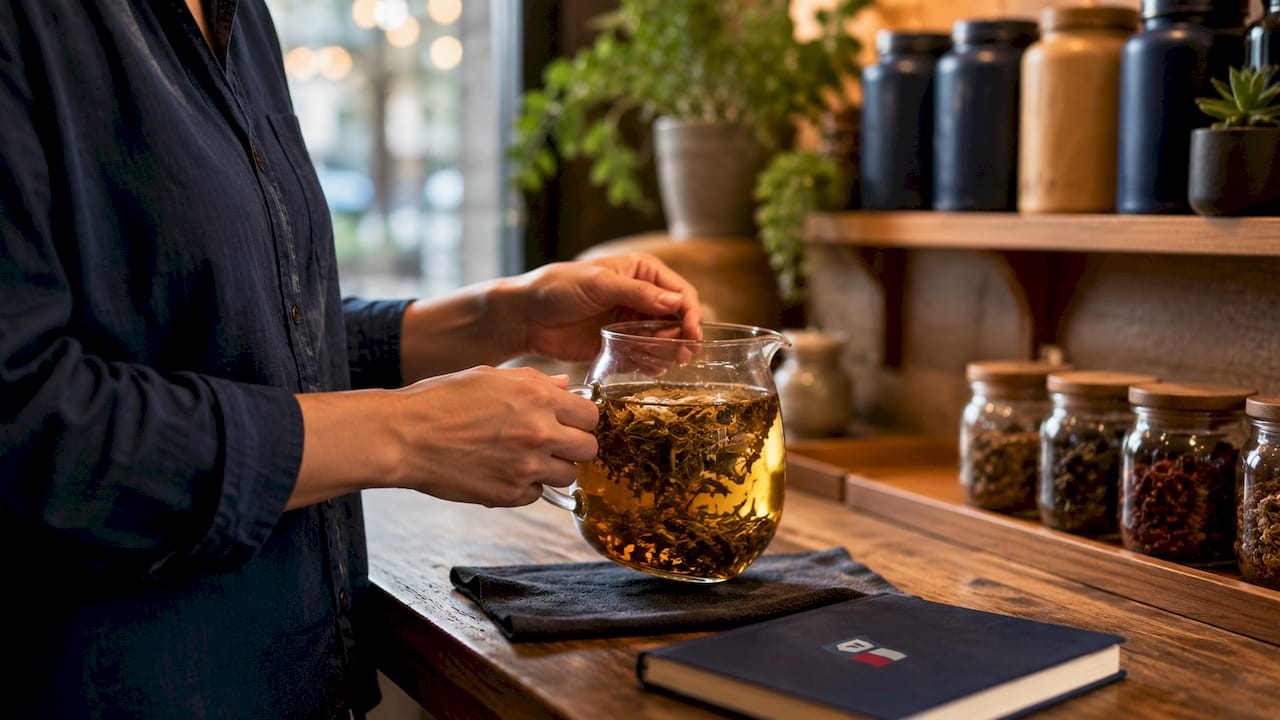
2. Top tea and herb bases for vibrant cocktail syrups
The tea or botanical you choose defines the entire flavor direction of your syrup. Each base has a distinct character that pairs better with certain spirits.
- Earl Grey. The bergamot oil in Earl Grey gives a citrus-floral note that enhances coffee, lattes, and cocktails alike. It pairs naturally with gin and vodka.
- Hibiscus. Dried hibiscus flowers deliver deep ruby color and sharp tartness. A hibiscus syrup brightens any drink the way lemon juice does, but with more body.
- Chai spice. Brown sugar chai syrup blends molasses sweetness with cinnamon, cardamom, and clove. It is the go-to base for fall and winter cocktails.
- Berry tea blends. Hibiscus-berry blends produce a deep, jammy fruitiness that works in both mocktails and rum-based drinks.
- Green tea. Light and grassy, green tea syrup suits delicate cocktails where you want sweetness without weight.
- Rooibos. Naturally caffeine-free and slightly nutty, rooibos syrup pairs well with whiskey and aged rum.
- Herbal additions. Fresh ginger, dried lavender, and mint leaves can be added to any base syrup during steeping. Ginger adds heat. Lavender adds a floral, almost soapy note that works in small doses. Mint adds clean brightness.
Pro Tip: Use loose-leaf tea instead of tea bags when possible. Loose leaf gives you more surface area contact with the sugar solution, which means richer extraction in the same steeping time.
3. Syrup ratios and infusion methods that actually matter
The sugar-to-water ratio is the single most important variable in syrup formulation. A 2:1 sugar-to-water ratio produces a richer syrup with a denser mouthfeel and better integration with spirits. That density means you use less syrup per drink, which keeps the cocktail from tasting watery. A standard 1:1 ratio works fine for iced teas and lemonades, but cocktail bartenders almost always prefer the 2:1 version.
Infusion method matters just as much as ratio. Here are the four main approaches, ranked from simplest to most precise:
- Hot steep. Dissolve sugar in hot water, remove from heat, add tea, steep for 5–20 minutes, then strain. Fast and easy, but heat can pull harsh tannins from black and green teas if you steep too long.
- Cold steep. Combine sugar, water, and tea in a sealed jar and refrigerate for up to 48 hours. Cold-steeping rich syrups extracts deeper, layered herbal and spice profiles without the cooked flavor that heat creates.
- Low-heat infusion. Warm the syrup to just below a simmer (around 150°F) and hold it there. This preserves floral and herbal notes that boiling destroys.
- Sous-vide infusion. Seal tea and syrup in a vacuum bag and cook at a precise low temperature. Sous-vide infusion prevents bitterness and preserves aromatic oils, a technique rarely used by home bartenders but highly effective for delicate teas like white or jasmine.
Pro Tip: For Earl Grey and green tea syrups, never exceed 175°F during hot steeping. Higher temperatures break down the bergamot and grassy notes that make those teas worth using.
| Method | Best for | Steeping time | Flavor result |
|---|---|---|---|
| Hot steep | Black tea, chai, hibiscus | 10–20 minutes | Bold, direct |
| Cold steep | Herbal, spice blends | 24–48 hours | Layered, complex |
| Low-heat | Green tea, rooibos | 15–30 minutes | Balanced, clean |
| Sous-vide | White tea, jasmine, lavender | 1–2 hours | Precise, aromatic |
Homemade tea syrups last 2–3 weeks when stored in airtight glass containers in the refrigerator. Adding a small amount of citric acid or fresh lemon juice extends shelf life and brightens flavor at the same time.
4. Six standout syrup recipes to make at home
These six recipes cover a range of flavor profiles and spirits pairings. Each one uses ingredients you can source from a quality tea and specialty beverage supplier.
-
Earl Grey simple syrup. Steep 2 Earl Grey tea bags in 1/2 cup hot water for 5 minutes. Remove bags, add 1/2 cup sugar, stir until dissolved. Cool and bottle. Use in gin cocktails, lattes, or sparkling water.
-
Hibiscus ginger syrup. Combine 2 cups water, 1.5 cups sugar, 1/2 cup dried hibiscus, and 1/3 cup fresh ginger in a saucepan. Simmer for 15 minutes, strain, and finish with a squeeze of lemon juice. The tartness, warmth, and brightness make it work in iced tea, cocktails, and mocktails equally well.
-
Brown sugar chai syrup. Steep one chai tea bag in 1 cup boiling water for 5 minutes. Add 1 cup brown sugar and stir until fully dissolved. The molasses notes in brown sugar deepen the cinnamon and cardamom in the chai. Use in whiskey sours, rum punches, and hot mocktails.
-
Midnight berry tea syrup. Brew a strong hibiscus-berry tea blend and sweeten with raw honey instead of refined sugar. Honey adds a floral undertone that amplifies the berry character. Use in vodka cocktails or sparkling lemonades.
-
Lavender green tea syrup. Cold-steep 2 tablespoons of loose green tea with 1 tablespoon dried lavender in a 2:1 sugar solution for 24 hours. Strain carefully. The result is delicate and floral. A little goes a long way in gin or vodka drinks.
-
Matcha coconut syrup. Whisk 1 teaspoon of culinary-grade matcha into 1/2 cup warm coconut milk, then combine with a 1:1 simple syrup base. This syrup adds earthy sweetness and a creamy texture to cocktails, smoothies, and iced lattes.
“The best syrups are not the sweetest ones. They are the ones where you can taste the tea, the spice, or the herb first, and the sweetness just holds everything together.”
5. How to use tea syrups in cocktails and mocktails
Dosing is where most home bartenders go wrong. Tea syrups replace standard simple syrup at a 1:1 ratio, with 1/2 to 1 ounce per cocktail as the standard range. For iced teas and sparkling waters, 1 tablespoon per 8 ounces is the right starting point. More than that and the syrup starts to dominate rather than support the drink.
Pairing syrups with spirits follows a simple logic based on flavor weight. Here are the most reliable combinations:
- Earl Grey or lavender green tea syrup with gin or vodka. The floral notes mirror botanicals already in the spirit.
- Chai or rooibos syrup with whiskey or aged rum. The spice and wood notes in both the syrup and spirit reinforce each other.
- Hibiscus ginger syrup with tequila or mezcal. The tartness cuts through agave earthiness cleanly.
- Matcha coconut syrup with rum or sake-based cocktails. The umami in matcha adds depth without bitterness.
- Berry tea syrup with vodka or light rum. The fruit-forward profile needs a neutral spirit to stay in focus.
Successful cocktail syrups balance three components: a bittering agent, a sweetener, and an acid. Adding a brightener like lemon juice or citric acid to your syrup is not optional. It is what keeps the flavor stable over time and prevents the syrup from tasting flat in a finished drink.
For mocktails, tea syrups work in sparkling water, lemonade, and cold brew. Use the same dosing guidelines. The syrup carries enough complexity to make a non-alcoholic drink feel layered and intentional rather than just sweet.
Pro Tip: Layer syrups in a cocktail shaker by adding them before the spirit. This gives the syrup time to coat the ice and distribute evenly, rather than sinking to the bottom of the glass.
Key takeaways
The most effective craft cocktail and tea syrups use a 2:1 sugar ratio, a matched infusion method, and an acid component to deliver balanced, spirit-ready flavor.
| Point | Details |
|---|---|
| Ratio determines texture | Use a 2:1 sugar-to-water ratio for cocktails; 1:1 works for teas and lemonades. |
| Method protects flavor | Cold steep or low-heat infusion preserves delicate floral and herbal notes. |
| Acid is not optional | Adding lemon juice or citric acid stabilizes flavor and extends shelf life. |
| Pairing follows flavor weight | Match light floral syrups to gin or vodka; spiced syrups to whiskey or rum. |
| Storage matters | Refrigerate in airtight glass containers and use within 2–3 weeks. |
Why I stopped using plain simple syrup entirely
I made plain simple syrup for years before I realized it was the most boring ingredient in my home bar. It sweetened drinks without adding anything. The moment I steeped a batch of Earl Grey into a 2:1 syrup and used it in a gin and tonic, the difference was obvious. The bergamot lifted the whole drink. The gin tasted more like itself.
The shift that changed my approach most was learning to cold steep. Hot steeping is faster, but it cooks the tea. You lose the top notes, the brightness, the thing that made you choose that tea in the first place. Cold steeping takes patience, but the flavor payoff is real. I now keep three or four syrups in rotation in my refrigerator at any given time.
My honest advice on sourcing: quality of the base ingredient determines quality of the syrup. A mediocre chai tea bag produces a mediocre chai syrup, no matter how careful your technique is. Sourcing from a supplier that carries premium loose-leaf teas and specialty blends, like the MAG Tea selections at Font-mag, makes a measurable difference. The loose-leaf tea selection matters more than the recipe.
One last thing: do not skip the acid. I ignored that step for months and wondered why my syrups tasted dull after a few days. A half-teaspoon of citric acid per cup of syrup changed everything. It is the detail that separates a syrup that tastes good on day one from one that still tastes good on day twelve.
— Rosario
Font-mag has the teas and syrups your home bar needs
Building a library of craft tea syrups starts with having the right ingredients on hand. Font-mag carries premium loose-leaf teas from MAG Tea alongside the globally recognized Sweetbird collection, which includes ready-to-use syrups that work as both standalone mixers and starting points for your own infusions.
The specialty offerings at Font-mag include matcha, chai concentrates, and flavored syrups that cover every recipe in this guide. Orders over $35 ship free, and fulfillment is fast. Whether you are building your first hibiscus ginger syrup or adding a matcha coconut base to your rotation, Font-mag has what you need to stock your bar without compromise.
FAQ
What is the difference between a tea syrup and a simple syrup?
A simple syrup is plain sugar dissolved in water. A tea syrup is a simple syrup steeped with tea, herbs, or spices to add flavor, aroma, and complexity beyond sweetness.
How long do homemade tea syrups last?
Homemade tea syrups last 2–3 weeks refrigerated in airtight glass containers. Adding lemon juice or citric acid extends freshness and stabilizes flavor.
How much tea syrup should I use per cocktail?
Use 1/2 to 1 ounce of tea syrup per cocktail as a standard dose. For iced teas and sparkling water, start with 1 tablespoon per 8 ounces and adjust to taste.
What sugar-to-water ratio works best for cocktail syrups?
A 2:1 sugar-to-water ratio produces a richer syrup with better mouthfeel and spirit integration. A 1:1 ratio suits lighter applications like iced tea and lemonade.
Can I use tea syrups in mocktails?
Tea syrups work directly in sparkling water, lemonade, and cold brew at the same dosing ratios used for cocktails. The flavor complexity makes non-alcoholic drinks taste layered and intentional.