

Coffee Shop Syrup Flavors: A Home Barista's 2026 Guide
Coffee shop syrup flavors are the single most powerful tool for transforming a basic espresso into a signature specialty drink. The industry standard term for these products is “flavored coffee syrups,” and they cover everything from classic vanilla to trending salted honey. Brands like Monin, Torani, 1883 Maison Routin, and Sweetbird now offer hundreds of options, making the category both exciting and overwhelming. A balanced signature menu includes at least three syrup categories: classic, floral or specialty, and seasonal or spice. Knowing which flavors belong in each category is the fastest way to build a drink menu that works year-round.
1. What are the classic coffee shop syrup flavors?
Vanilla, caramel, and hazelnut are the three highest-volume sellers in the flavored coffee options category. These flavors work because they complement espresso’s natural bitterness without fighting it. Vanilla softens acidity. Caramel adds sweetness with a slight toasty note. Hazelnut brings a nutty warmth that pairs especially well with milk-based drinks like lattes and cappuccinos.
Vanilla syrup remains the top seller across all coffee syrup varieties. That dominance reflects how universally it pairs with both hot and iced drinks. A Sweetbird French Vanilla Syrup is a reliable starting point for any home barista building their first collection.
- Vanilla: Works in lattes, cold brews, and frappes. Choose a French vanilla variety for a richer, custard-like depth.
- Caramel: Best in milk-forward drinks. Pairs naturally with oat milk for a slightly sweet, buttery finish.
- Hazelnut: A natural match for dark roasts. Adds complexity without overpowering the coffee’s origin character.
Pro Tip: Add your syrup to the cup before pulling your espresso shot. This technique improves flavor melding and prevents the syrup from sitting on top of the drink.
2. Which floral and specialty syrups are trending in coffee shops?
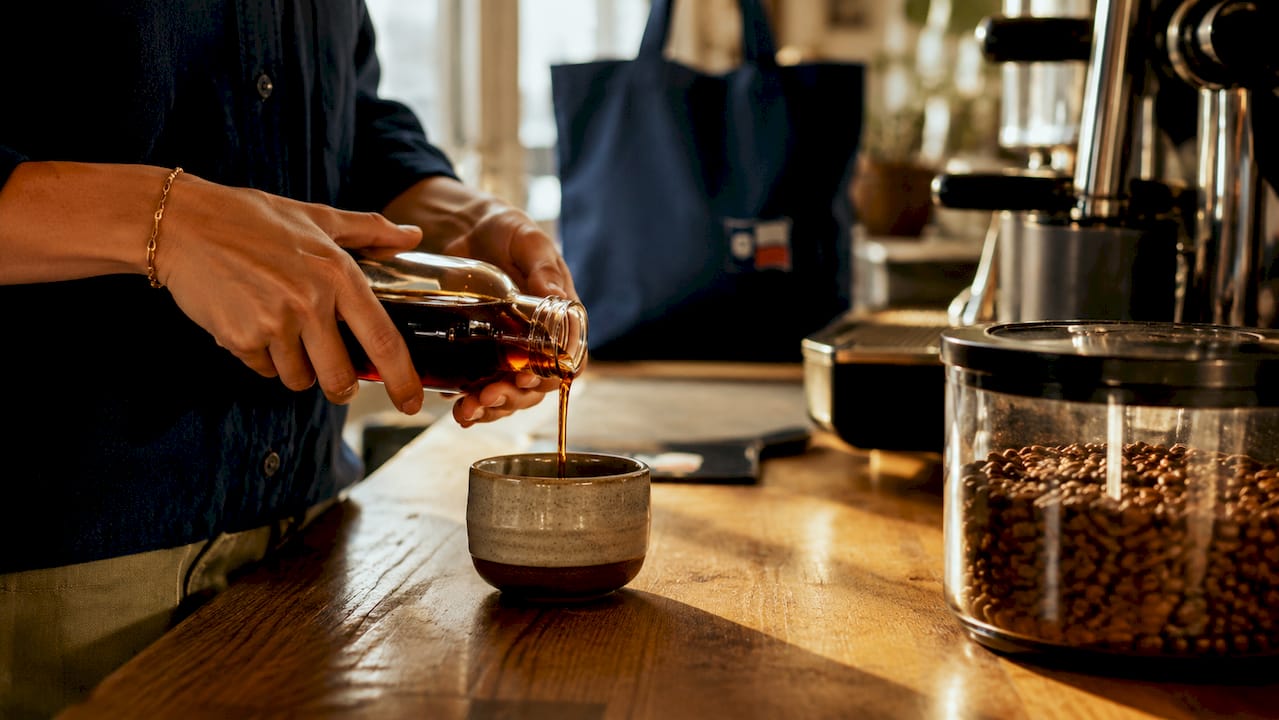
Lavender syrup is the fastest-growing specialty flavor in 2026. That growth reflects a broader shift toward botanical and aromatic profiles in specialty coffee. Floral syrups work best in lighter roasts and milk-based drinks where their delicate notes are not buried by heavy coffee flavors.
Rose, hibiscus, and ube are the other standout options in this category. Rose adds a soft, perfumed sweetness that works beautifully in iced lattes. Hibiscus brings a tart, berry-adjacent flavor that pairs well with cold brew. Ube, the purple yam widely used in Filipino desserts, delivers a vanilla-adjacent flavor with a striking visual appeal.
Floral syrups shine in London fogs, iced lattes, and non-coffee mocktails. A lavender syrup added to an Earl Grey latte creates a drink that competes directly with anything on a specialty café menu.
- Lavender: Use sparingly. One pump in a 12-ounce latte is enough. Too much turns floral into soapy.
- Rose: Pairs well with oat milk and a touch of cardamom for a Middle Eastern-inspired drink.
- Hibiscus: Best in iced drinks. Combine with cold brew and a squeeze of citrus for a café-quality refresher.
- Ube: Visually striking and social-media friendly, which matters given that Gen Z drives demand for visually appealing, customizable drinks.
Expert baristas prefer Monin for natural flavors in this category. Monin’s floral line uses real botanical extracts, which produces a cleaner, more authentic taste than artificial alternatives.
3. What seasonal and spice syrups enhance coffee menus year-round?
Cardamom, pumpkin spice, and peppermint are the three staple spice and seasonal syrups every serious home barista should own. Cardamom works year-round. Pumpkin spice peaks in fall. Peppermint dominates the winter holiday season. Together, they give you a rotating menu without requiring a large syrup inventory.
The emerging flavors in this space are worth paying attention to. Salted honey grew 147% year-over-year in menu appearances. That number signals a clear consumer appetite for sweet-savory combinations in coffee. Chocolate pistachio grew 131% over the same period, confirming that nut-forward, dessert-inspired profiles are not a passing trend.
Building a balanced spice menu
A practical approach uses three tiers. First, keep cardamom as your everyday spice option. It works in hot lattes, iced drinks, and even pairs with matcha. Second, rotate a seasonal flavor quarterly: pumpkin spice in fall, peppermint in winter, a citrus or berry option in spring and summer. Third, add one adventurous flavor like salted honey or chocolate pistachio to give regulars something new to try.
| Syrup | Best season | Pairs best with |
|---|---|---|
| Cardamom | Year-round | Oat milk latte, chai |
| Pumpkin spice | Fall | Dark roast, steamed milk |
| Peppermint | Winter | Mocha, hot chocolate |
| Salted honey | Year-round | Cold brew, blonde roast |
| Chocolate pistachio | Year-round | Espresso, almond milk |
Pro Tip: Thin syrups lose flavor in hot, acidic espresso. Choose espresso-stable syrups specifically formulated for high-heat environments when building spice-forward drinks.
4. How to choose the best syrup brand for your coffee
Monin, Torani, 1883 Maison Routin, and DaVinci are the four brands that dominate professional and home barista use. Each has a distinct strength. Monin leads in natural flavor authenticity. Torani leads in variety and is the go-to for fast-paced service environments. 1883 Maison Routin is the preferred choice in specialty cafés for its smoothness and refined taste. DaVinci offers strong sugar-free options for health-conscious customers.
Syrups are thin, water-based liquids that dissolve instantly in hot or cold drinks. Sauces are thicker and fat-based, requiring more mixing and affecting drink texture differently. Choosing the wrong type for a recipe produces inconsistent results. Use syrups for lattes and iced drinks. Use sauces for drizzles and blended drinks where texture is part of the experience.
- Monin: Best for natural, botanical, and floral flavors. Ideal for specialty café menus.
- Torani: Best for variety and speed. Carries over 100 flavors including strong sugar-free options.
- 1883 Maison Routin: Best for premium, refined taste. A specialty café favorite for smoothness.
- Sweetbird: A globally recognized collection available through Font-mag, covering classic, seasonal, and specialty profiles in one curated lineup.
For home baristas, Sweetbird and Monin offer the best balance of quality and accessibility. For commercial use, Torani’s volume pricing and variety make it the practical choice.
5. What are some unique and adventurous syrup flavors to try?
The most interesting coffee flavor combinations right now sit at the intersection of dessert, global cuisine, and health trends. Black licorice syrup adds an anise note that works surprisingly well with dark roast espresso. Turmeric ginger brings anti-inflammatory appeal and a spiced warmth that pairs with oat milk. Amaretto syrup delivers an almond-cherry flavor that transforms a simple latte into a dessert drink.
Iced coffee commands 41% of menu share in current café data. That dominance explains why adventurous syrups are increasingly designed for cold applications first. Matcha pistachio is a strong example. It works in iced lattes and frappes, and it appeals to the same customer who orders a matcha latte but wants something more complex.
- Black licorice: Use one pump maximum in a 12-ounce drink. Pairs best with dark roast and a splash of cream.
- Turmeric ginger: Works in golden lattes and iced drinks. Combine with honey syrup for a balanced sweet-spiced profile.
- Amaretto: A natural match for almond milk. Creates a dessert-style latte without added alcohol.
- Pistachio: Pairs with both espresso and matcha. The chocolate pistachio trend makes this a smart addition to any home barista’s shelf.
- Rose water: Use in cold drinks only. Heat can amplify the floral note to an unpleasant intensity.
The best approach with adventurous syrups is to start with a 1:4 syrup-to-drink ratio and adjust from there. Adding syrup before the espresso shot produces better flavor integration and avoids separation in milk-based drinks.
6. How to use coffee syrup correctly for the best results
The ideal syrup-to-drink ratio is 1:4. That means one part syrup to four parts drink. Most home baristas over-pour, which masks the coffee’s natural flavor rather than complementing it. Start conservative and build up.
The order of addition matters more than most people realize. Adding syrup before pulling the espresso shot allows the hot liquid to dissolve and meld the flavor fully. Adding it after, especially in iced drinks, can leave pockets of concentrated sweetness at the bottom. For iced drinks, stir thoroughly after adding syrup and before adding ice.
Syrup storage also affects flavor. Keep bottles away from direct sunlight and heat. Most quality syrups have a shelf life of several months after opening, but flavor degrades faster in warm environments. A cool, dark cabinet is the right storage spot, not the counter next to the espresso machine.
Key takeaways
The best coffee syrup strategy combines classic, floral, and seasonal categories to create a versatile collection that works across every drink style and season.
| Point | Details |
|---|---|
| Start with the classics | Vanilla, caramel, and hazelnut are the foundation of any flavored coffee collection. |
| Add a floral option | Lavender is the fastest-growing specialty flavor and works in lattes, mocktails, and tea drinks. |
| Rotate seasonal syrups | Cardamom works year-round; pumpkin spice and peppermint cover fall and winter. |
| Choose the right type | Use thin syrups for espresso drinks and sauces for blended or drizzle applications. |
| Add syrup before espresso | This technique improves flavor melding and produces a more consistent drink every time. |
Why I think most home baristas buy too many syrups at once
Most people building a home coffee setup make the same mistake: they buy eight syrups in one order and use three of them regularly. The other five sit on the shelf until they lose flavor. I have done it myself.
The smarter move is to start with one syrup from each category. Pick vanilla for classic, lavender for floral, and cardamom for spice. Master those three before adding anything else. You will learn how each one behaves with your specific espresso, your milk, and your preferred drink temperature. That knowledge transfers directly when you add a fourth or fifth syrup.
The brands matter less than people think at the home barista level. Monin and Sweetbird both produce quality products. The difference between them is subtle in a home setting. Where brand choice becomes critical is in commercial use, where consistency across hundreds of drinks per day is non-negotiable.
One thing I would push back on: the idea that adventurous syrups are only for experienced baristas. Salted honey is genuinely easy to use. It pairs with almost everything. If you want to experiment beyond vanilla, that is the flavor I would try first. Not lavender, not rose. Salted honey.
— Rosario
Explore syrups and specialty beverages at Font-mag
Font-mag carries the full Sweetbird collection alongside classic and specialty syrups for every skill level and drink style. Whether you are building your first home setup or expanding a café menu, the selection covers classic, floral, and seasonal profiles in one place.
Browse the complete syrups collection to find Sweetbird French Vanilla, specialty floral options, and seasonal favorites. Font-mag also stocks premium flavored coffee for when you want the flavor built into the bean rather than added at the bar. Free shipping applies to all orders over $35, with fast fulfillment from Texas.
FAQ
What are the most popular coffee syrup flavors?
Vanilla is the top-selling coffee syrup flavor across all categories. Caramel and hazelnut follow closely as the core trio for classic coffee drinks.
What is the difference between a syrup and a sauce?
Syrups are thin, water-based liquids that dissolve instantly in hot or cold drinks. Sauces are thicker and fat-based, used for drizzles and blended beverages where texture is part of the result.
How much syrup should I add to a coffee drink?
A 1:4 syrup-to-drink ratio is the professional standard. Start with one pump per 12-ounce drink and adjust to taste from there.
Which syrup brand do expert baristas prefer?
Expert baristas prefer Monin for natural flavors, Torani for variety and speed, and 1883 Maison Routin for refined quality in specialty café settings.
What is the fastest-growing coffee syrup flavor in 2026?
Lavender is the fastest-growing specialty syrup flavor in 2026. Salted honey and chocolate pistachio are the fastest-growing emerging flavors, with year-over-year growth well above 100%.