

Dairy Free Caramel Syrup: Easy Homemade Recipe
How to make dairy free caramel syrup at home
You can make a rich, silky dairy free caramel syrup in about 15 minutes with five or six pantry staples. No candy thermometer, no dairy, no compromise on flavor. The base recipe below uses full-fat canned coconut milk as the cream substitute, which gives you a glossy, pourable texture without the heaviness of heavy cream.
| Ingredient | Amount |
|---|---|
| Full-fat canned coconut milk | 1 can |
| Maple syrup | an appropriate amount |
| Dark or light brown sugar (or coconut sugar) | an appropriate amount |
| Refined coconut oil | an appropriate amount |
| Vanilla extract | some vanilla extract |
| Sea salt or kosher salt | a pinch |
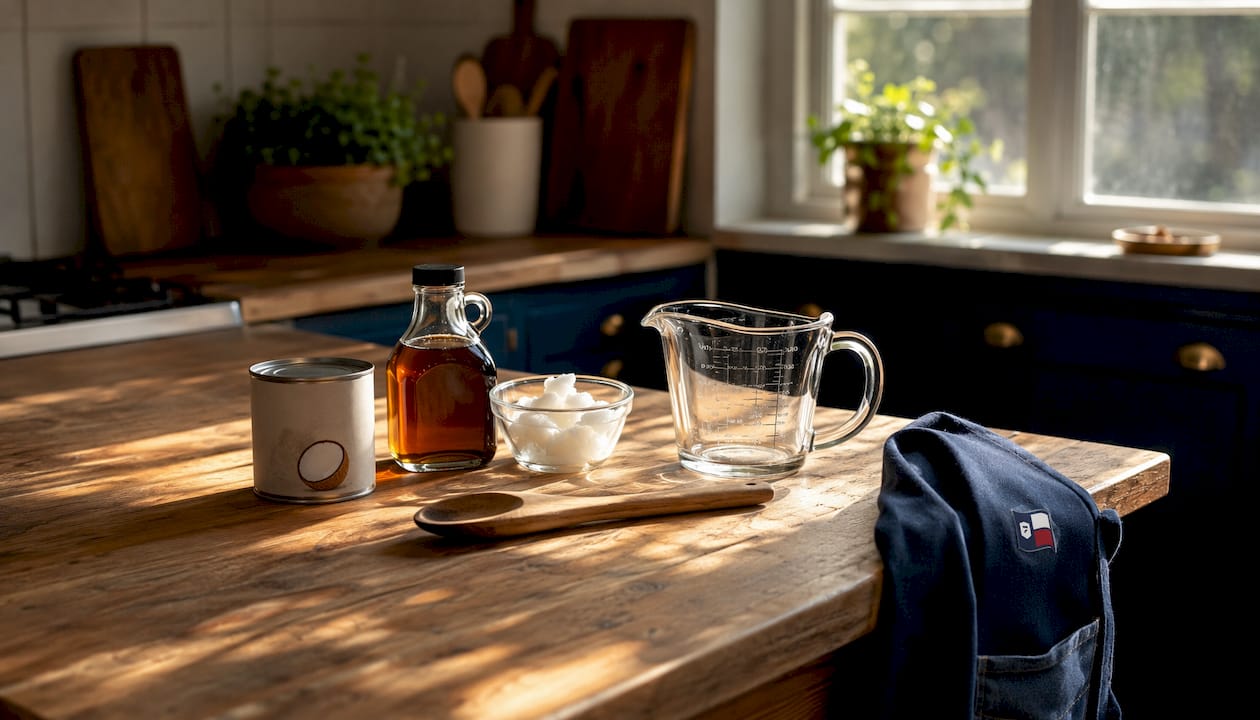
This recipe makes a moderate amount of finished syrup suitable for multiple uses. Scale it up easily for batch cooking or gifting.
Quick tips before you start:
- Use full-fat coconut milk, not the carton kind. The fat content is what creates a smooth, thick sauce.
- Bring your coconut milk to room temperature before it hits the hot pan.
- Refined coconut oil keeps the flavor neutral. Unrefined adds a tropical note that can clash with caramel.
- Dark brown sugar or coconut sugar deepens the color and adds a slight molasses richness.
If you prefer a store-bought option, Monin Sugar Free Caramel Syrup is certified dairy-free, gluten-free, and allergen-free, sweetened with erythritol and sucralose rather than cane sugar. Sweet Freedom offers a fruit-based alternative using carob and apple extracts, with 13 calories per teaspoon and no refined sugar. Walden Farms produces a near-zero-calorie caramel syrup that is also dairy-free, vegan, and non-GMO, a solid pick for calorie-conscious cooks.

What ingredients do you actually need?
The ingredient list for a plant based caramel sauce is shorter than most people expect. Each component has a specific job, so swapping carelessly can throw off the texture or flavor.
The core ingredients and what they do:
- Full-fat canned coconut milk: Replaces heavy cream. The high fat content creates a rich, emulsified sauce. Low-fat versions produce a thin, watery result. For an even richer sauce, swap in coconut cream, which has a higher fat concentration.
- Maple syrup: The primary sweetener. It adds depth and a slight earthiness that plain white sugar cannot replicate.
- Brown sugar or coconut sugar: Provides the signature amber color and a hint of molasses. Coconut sugar leans slightly nuttier.
- Refined coconut oil: Adds smoothness and body. Refined oil lacks the coconut scent that unrefined carries, keeping the caramel flavor front and center.
- Vanilla extract: Rounds out the sweetness and adds warmth.
- Sea salt: Balances the sugar and creates that salted caramel effect most people love.
Allergy-friendly swaps:
- Coconut allergy? Use oat milk and a vegan butter like Country Crock Plant Butter or Earth Balance instead of coconut oil.
- No maple syrup? All brown sugar or coconut sugar works fine. The flavor shifts slightly but the texture holds.
- Prefer a thicker sauce? A cornstarch slurry (equal parts cornstarch and cold water) stirred in during simmering adjusts the consistency precisely.
For convenience, Monin’s sugar-free version contains erythritol, cellulose gum, and natural flavors, making it a reliable grab-and-go option when you want caramel flavor without cooking. Sweet Freedom’s all-natural syrup suits anyone avoiding artificial sweeteners entirely. You can explore more plant-based syrup options if you want a broader comparison before committing to a recipe.
Step-by-step instructions for stovetop caramel
The stovetop method takes about 20 minutes from start to finish and produces a sauce that thickens further as it cools. Follow the steps in order and resist the urge to rush the simmer.
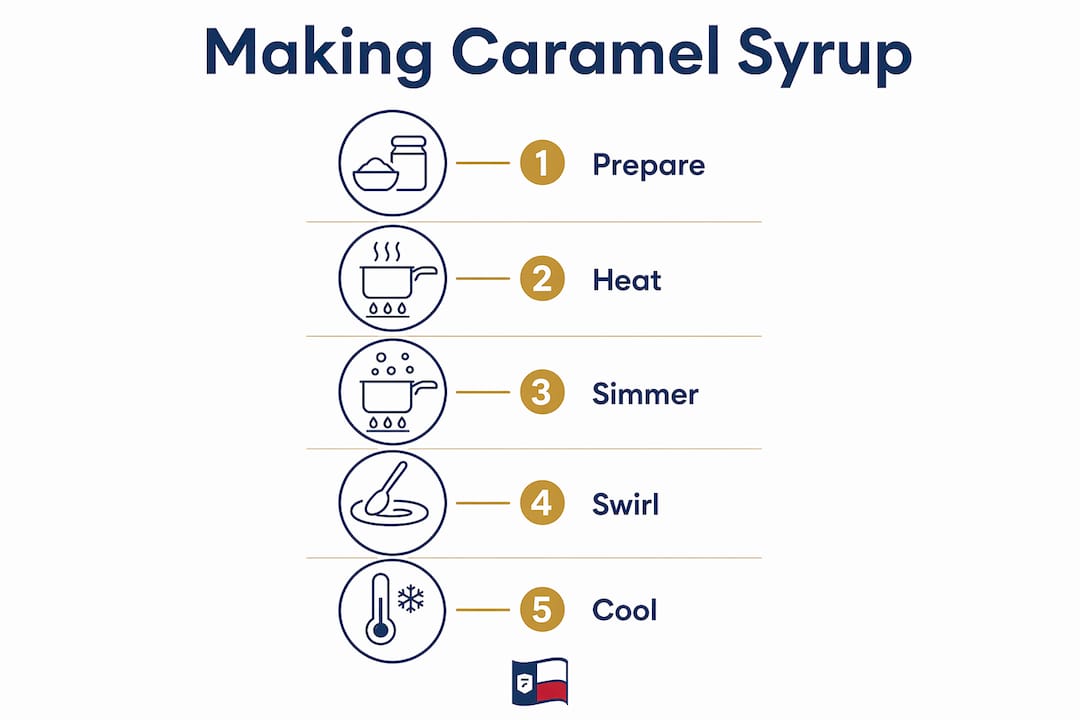
- Combine the base ingredients. Whisk together the coconut milk, maple syrup, brown sugar, and refined coconut oil in a medium saucepan. The coconut oil may be solid at room temperature; it will melt as the pan heats.
- Bring to a boil. Set the heat to medium-high and bring the mixture to a full boil, stirring occasionally to prevent scorching on the bottom.
- Reduce and simmer. Drop the heat to medium and let the mixture boil gently for 15 minutes, stirring occasionally. The sauce will reduce by roughly half and deepen in color.
- Check consistency. For a thinner syrup, remove earlier; for a thicker caramel sauce, allow more cooking time. The sauce will continue to thicken as it cools, so pull it slightly before it reaches your target texture.
- Finish with vanilla and salt. Remove the pan from heat and stir in the vanilla extract and salt. Taste and adjust salt if needed.
- Cool before storing. Let the sauce cool in the pan for 10 minutes before transferring to a glass jar.
Pro Tip: Gentle pan swirling instead of constant stirring during the simmer distributes heat more evenly and reduces the risk of crystallization. If you see the edges browning faster than the center, swirl the pan rather than reaching for a spoon.
How to store homemade caramel syrup
Proper storage keeps your vegan caramel syrup tasting fresh and pourable for up to two weeks.
- Use airtight glass jars. Mason jars or swing-top bottles work well. Glass does not absorb odors and makes it easy to see when the syrup has thickened too much in the fridge.
- Refrigerate immediately. Once cooled to room temperature, seal the jar and refrigerate. The syrup keeps for about two weeks.
- Reheat gently before using. Cold caramel thickens considerably. A quick 20–30 seconds in the microwave or a brief warm-up in a small saucepan over low heat restores the pourable consistency.
- Skip the freezer. Freezing causes the emulsion to break, leaving a grainy, separated sauce when thawed. The fridge is the right call every time.
Expert tips for getting the texture and flavor right
The biggest misconception about non dairy caramel recipes is that they taste flat or thin compared to butter-based versions. They do not, if you layer the flavors correctly. Combining coconut sugar, maple syrup, and sea salt mimics the depth of a Maillard reaction and balances the natural nuttiness of coconut, producing a caramel that holds its own against any dairy version.
Common mistakes and how to fix them:
- Sauce is too thin: Simmer longer, or add a cornstarch slurry. Mix 1 tablespoon cornstarch with 1 tablespoon cold water and whisk it into the simmering sauce. Cook for another 2 minutes until thickened.
- Sauce is grainy or crystallized: This usually happens when the sugar cools too fast or when cold coconut milk hits hot caramelized sugar. Always use room-temperature coconut milk and add it slowly.
- Sauce tastes too coconutty: Switch to refined coconut oil and use a Jamaican-style full-fat coconut milk with a clean, mild flavor rather than a strongly scented variety.
- Sauce burned: The heat was too high during the simmer. Medium heat is the ceiling; drop to medium-low if your stove runs hot.
Pro Tip: Short ingredient lists consistently produce the best results. Resist the urge to add extra sweeteners or fats. When the base ingredients are high quality, the sauce does not need help.
Refined coconut oil is the fat of choice for a reason. Its neutral flavor profile lets the caramelized sugars carry the sauce rather than competing with a tropical backdrop.
What can you do with dairy free caramel syrup?
A jar of homemade caramel syrup goes a long way beyond coffee. The uses below cover desserts, drinks, and a few ideas that might surprise you.
- Drizzle over ice cream or sorbet. The syrup pours beautifully straight from the fridge after a quick warm-up, and it sets slightly on cold desserts for a satisfying texture contrast.
- Pour over pancakes or waffles. Swap maple syrup for caramel on your next weekend stack. Pair it with sliced bananas or toasted pecans.
- Stir into coffee, lattes, or iced tea. A tablespoon in a cold brew or a hot latte adds sweetness and body without any dairy. Font-mag’s flavored coffee collection pairs especially well with a caramel swirl.
- Swirl into smoothie bowls or oatmeal. A teaspoon of caramel syrup transforms a plain bowl into something worth photographing.
- Use as a dipping sauce for fruit. Apple slices, pear wedges, and strawberries all work. The salt in the syrup cuts through the fruit’s natural acidity.
- Fold into vegan baked goods. Add a few tablespoons to brownie batter, cookie dough, or cake frosting for a caramel undertone.
- Make a vegan salted caramel dessert dip. Increase the salt slightly and serve alongside pretzels or shortbread for a crowd-pleasing snack.
If you enjoy experimenting with non-dairy drinks, the Sweetbird Non-Dairy Vanilla Bean Frappe from Font-mag pairs well with a caramel drizzle for a café-quality treat at home.
Nutrition and dietary considerations
Homemade dairy free caramel syrup made with coconut milk and natural sweeteners is free from dairy, gluten, eggs, and soy, making it suitable for vegan, paleo, and most allergy-conscious diets. The calorie count varies depending on the sweeteners you use. Coconut sugar and maple syrup both carry natural sugars, so the sauce is not low-calorie by default, though it is free from refined white sugar.
For cooks watching calories more closely, store-bought options cover a wide range. Sweet Freedom’s syrup delivers around 13 calories per teaspoon from fruit-based sweeteners. Monin’s sugar-free version uses erythritol and sucralose to bring the calorie count to near zero. Walden Farms goes furthest, with fewer than 5 calories per serving and no fat or sugar, though it relies on artificial flavors to get there.
One thing to watch with store-bought caramel syrups: not all are dairy-free by default. Some mainstream brands include milk, cream, or milk derivatives in their ingredient lists, so reading the label before buying is worth the extra 30 seconds. The homemade version gives you full control over every ingredient, which is the clearest path to a sauce that fits your specific dietary needs.
Key Takeaways
Homemade dairy free caramel syrup made with full-fat coconut milk, maple syrup, and refined coconut oil delivers rich, complex flavor in about 15 minutes with no dairy required.
| Point | Details |
|---|---|
| Use full-fat coconut milk | Low-fat versions produce a thin, watery sauce; full-fat creates the silky texture you want. |
| Room-temperature coconut milk prevents seizing | Cold coconut milk added to hot caramelized sugar causes instant clumping. |
| Refined coconut oil keeps flavor neutral | Unrefined oil adds a tropical note that competes with the caramel. |
| Refrigerate in glass jars for up to two weeks | Reheat gently before serving; freezing breaks the emulsion. |
| Store-bought options vary widely | Monin, Sweet Freedom, and Walden Farms each offer dairy-free syrups with different calorie and sweetener profiles. |