

Flavored Simple Syrups: Top 10 Recipes to Try
Flavored simple syrups are sugar-water concentrates infused with natural ingredients that add balanced sweetness and distinctive flavor to drinks. The standard formula uses a 1:1 sugar to water ratio, yielding roughly 1.5 cups of syrup per batch. That ratio is your baseline for cocktails, mocktails, iced teas, and coffee drinks alike. Making these syrups at home gives you full control over ingredient quality and flavor concentration, producing results that hold up in both hot and cold applications.
1. Lavender syrup
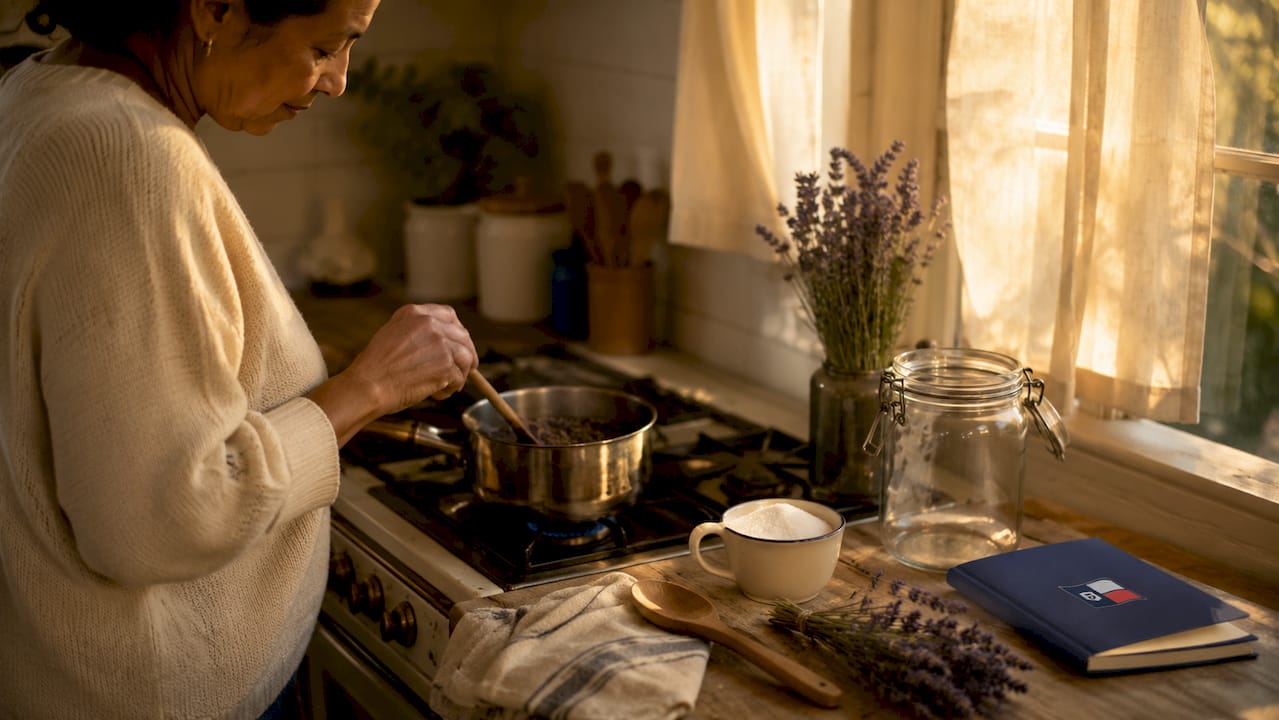
Lavender syrup is one of the most requested floral syrups in home bartending. Combine 1 cup sugar, 1 cup water, and 2 tablespoons dried culinary lavender. Bring to a simmer until the sugar dissolves, then remove from heat and steep for 10–15 minutes. Strain through a fine mesh strainer and cool before bottling. Lavender syrup pairs beautifully with gin, lemonade, and sparkling water, adding a soft floral note without overpowering the drink.
2. Ginger syrup
Ginger syrup delivers heat and depth that few other syrups can match. Simmer 1 cup sugar, 1 cup water, and 4 ounces of sliced fresh ginger for 10–20 minutes, then steep for 30 minutes off heat. That extended steep pulls the full range of ginger’s spice and warmth into the syrup. Use it in a Moscow Mule, a dark and stormy, or stirred into hot tea with lemon.
3. Vanilla simple syrup
Vanilla simple syrup is the workhorse of coffee flavor syrups. Split one vanilla bean lengthwise, scrape the seeds, and add both the seeds and pod to 1 cup sugar and 1 cup water. Simmer gently for five minutes, then steep for 20 minutes off heat. The result is a warm, rounded sweetness that smooths bitterness in espresso drinks, lattes, and cold brew. For a richer version suited to iced drinks, use a 2:1 sugar to water ratio to produce a thicker, more concentrated syrup.
4. Rosemary syrup
Rosemary syrup is an underrated choice that works across cocktails and savory-leaning mocktails. Simmer 1 cup sugar and 1 cup water, add two fresh rosemary sprigs, and steep for 10–15 minutes off heat. Rosemary’s piney, herbal character pairs well with gin, grapefruit juice, and tonic water. It also works in sparkling lemonade for a non-alcoholic option with real complexity.
5. Mint syrup
Mint syrup is a staple for juleps, mojitos, and iced teas. Add a generous handful of fresh mint leaves to hot sugar syrup off the heat and steep for exactly 10–15 minutes. Over-steeping mint beyond that window produces bitterness and soapy off-notes that no amount of dilution will fix. Pull the leaves promptly, strain well, and you get a clean, bright mint flavor every time.
6. Hibiscus syrup
Hibiscus syrup produces a vivid ruby color and a tart, cranberry-like flavor that photographs beautifully and tastes even better. Steep 1/4 cup dried hibiscus flowers in hot sugar syrup for 15 minutes, then strain. The tartness balances well with tequila, rum, and vodka. In mocktails, it works as a natural coloring agent and flavor base for agua fresca and sparkling water drinks.
7. Cinnamon syrup
Cinnamon syrup adds warmth and spice to both coffee drinks and fall cocktails. Simmer two cinnamon sticks with 1 cup sugar and 1 cup water for 10–20 minutes, then steep an additional 30 minutes for full flavor release. The longer simmer time is worth it. Cinnamon syrup pairs with bourbon, apple cider, and oat milk lattes, and it works especially well in coffee drinks where you want spice without bitterness.
8. Jalapeño syrup
Jalapeño syrup is the syrup that surprises people. Slice two jalapeños, seeds included for heat or removed for mild spice, and simmer with 1 cup sugar and 1 cup water for five minutes. Steep for 10 minutes, then strain. The result is a sweet heat that transforms a margarita, a spicy paloma, or even a bloody mary mix. Start with a small pour and adjust to taste since heat levels vary by pepper.
9. Rose syrup
Rose syrup sits between floral and sweet, making it one of the most versatile infused simple syrups for both cocktails and non-alcoholic drinks. Use two tablespoons of food-grade dried rose petals or two teaspoons of rose water added off heat to your sugar syrup. Steep for 10 minutes and strain carefully. Rose syrup pairs with vodka, champagne, and sparkling lemonade. It also adds an elegant note to iced teas and cold brew coffee.
10. Brown sugar syrup
Brown sugar syrup replaces white sugar with light or dark brown sugar, adding molasses depth that white sugar cannot replicate. Use the same 1:1 ratio, dissolve over low heat without boiling, and cool before use. The caramel and toffee notes in brown sugar syrup complement bourbon, rum, and cold brew coffee. It is the closest homemade equivalent to the popular coffee shop brown sugar shaken espresso style drinks.
How to make flavored syrups: ratios, techniques, and storage
The ratio you choose shapes the final drink. A standard 1:1 ratio produces a pourable syrup that blends easily into cold drinks. A 2:1 ratio creates a thicker, sweeter syrup better suited for iced coffee, dessert toppings, and drinks where you want concentrated flavor in a smaller volume.
Infusion method matters as much as ratio. Herbs like mint, lavender, and rosemary steep off heat for 10–15 minutes after the sugar dissolves. Roots and spices like ginger and cinnamon need a longer simmer of 10–20 minutes followed by an extended steep. Fruit-based syrups work best when you simmer the sugar and water first, then steep the fruit off heat and press the solids through a fine mesh strainer to maximize clarity and flavor.
Storage is where most home bartenders lose their syrup before they finish it. Store syrups in sterilized glass jars in the refrigerator for up to two weeks. Adding one teaspoon of vodka per cup of syrup extends that shelf life to four weeks without affecting flavor. Label each jar with the date so you always know what you are working with.
Pro Tip: Press your strained solids firmly against the strainer with the back of a spoon. That final press extracts the most concentrated flavor from herbs, spices, and fruit without adding cloudiness.
Flavor pairing and usage tips for cocktails, mocktails, and coffee
Matching the right syrup to the right base drink is the skill that separates a good home bartender from a great one. Floral and herbal syrups add aromatic complexity to cocktails and mocktails, going beyond simple sweetness to create layered, memorable drinks.
Here is a quick pairing guide:
- Gin: lavender, rosemary, rose, cucumber
- Bourbon: brown sugar, cinnamon, vanilla, ginger
- Tequila: hibiscus, jalapeño, grapefruit, mint
- Vodka: rose, mint, ginger, hibiscus
- Rum: brown sugar, cinnamon, ginger, vanilla
- Coffee drinks: vanilla, cinnamon, brown sugar, caramel
- Iced teas and lemonades: lavender, mint, hibiscus, rose
For coffee specifically, vanilla and caramel-style syrups smooth bitterness in espresso and cold brew without masking the coffee’s character. Cinnamon syrup adds warmth to oat milk lattes. For specialty coffee pairings, the top coffee flavorings guide at Font-mag covers this in more depth.
Dosing matters. Start with half an ounce of syrup per drink and adjust up. Over-sweetening is the most common mistake, and it is easier to add more than to correct a drink that is already too sweet.
Troubleshooting common syrup problems
Bitterness is the most common complaint with homemade syrups. It almost always comes from over-steeping delicate herbs. Mint and lavender turn bitter fast. Pull them at the 15-minute mark without exception.
Cloudiness in fruit syrups comes from pressing too aggressively or boiling the fruit directly. Simmer the sugar and water separately, steep the fruit off heat, and use a fine mesh strainer lined with cheesecloth for the clearest result. A slightly cloudy syrup is still perfectly usable; it just looks less polished in a clear glass.
Weak flavor has two fixes: use more of your flavoring ingredient, or let the syrup reduce slightly longer on the stove before adding the infusion. Reducing concentrates the sugar base and makes the final flavor more pronounced.
Signs of spoilage include cloudiness that develops after storage, an off smell, or visible mold. A syrup that smells fermented should be discarded. Keeping syrups in sterilized glass and adding that small measure of vodka prevents most spoilage issues before they start.
Pro Tip: If a syrup tastes too sweet after cooling, stir in a few drops of fresh lemon or lime juice. Acid cuts sweetness without diluting the flavor.
Key takeaways
The most effective homemade flavored simple syrup uses the right ratio, the right steeping time for each ingredient, and proper glass storage to deliver consistent flavor across every drink you make.
| Point | Details |
|---|---|
| Use the right ratio | A 1:1 ratio suits most drinks; use 2:1 for thicker, more concentrated syrups. |
| Match steep time to ingredient | Steep herbs 10–15 minutes; simmer spices and roots 10–20 minutes, then steep longer. |
| Press solids after straining | Pressing extracts maximum flavor from fruit, herbs, and spices without adding cloudiness. |
| Store in sterilized glass | Refrigerate in glass jars for up to two weeks; add 1 tsp vodka per cup for four weeks. |
| Pair syrups intentionally | Match floral syrups to gin, spice syrups to bourbon, and vanilla or cinnamon to coffee drinks. |
Why I stopped buying syrups and never looked back
I spent years buying pre-made syrups because they were convenient. Then I made a batch of fresh lavender syrup with dried flowers from a local market, and the difference was immediate and obvious. The flavor was cleaner, brighter, and more complex than anything in a bottle.
The insight that changed my approach was treating steeping time as a variable, not a fixed rule. Ginger wants a long, slow extraction. Mint wants to be in and out in 12 minutes flat. Once you internalize that, you stop guessing and start producing consistent results.
My honest recommendation for anyone starting out: begin with ginger and vanilla. Both are forgiving, widely useful, and immediately impressive in a drink. Then move to hibiscus for color and tartness, and rosemary for something unexpected. Seasonal ingredients are worth chasing too. Fresh peaches in summer, cranberries in fall, and blood oranges in winter all make syrups that no commercial product can replicate.
The other thing worth saying: ingredient quality matters more than technique. Fresh ginger outperforms dried ginger powder every time. Whole vanilla beans produce a depth that vanilla extract cannot match. Spend a little more on the ingredient and the syrup rewards you for it.
— Rosario
Font-mag syrups and flavored coffee worth pairing with your homemade creations
Font-mag carries the Sweetbird collection of syrups and café essentials, a globally recognized line built for both café owners and home connoisseurs. If you want a reliable, professionally formulated syrup alongside your homemade batches, the Font-mag syrups collection is worth browsing.
For coffee pairings, Font-mag’s flavored coffee selection includes small-batch roasts that complement homemade vanilla, cinnamon, and brown sugar syrups without competing with them. Font-mag also offers MAG Tea selections and premium iced teas that pair naturally with hibiscus, mint, and rose syrups. Free shipping applies to all orders over $35, making it easy to stock up on both coffee and specialty beverage essentials in one order.
FAQ
What is a flavored simple syrup?
A flavored simple syrup is a sugar-water solution infused with herbs, spices, fruit, or botanicals to add sweetness and flavor to drinks. The standard ratio is 1 part sugar to 1 part water, yielding about 1.5 cups of syrup per batch.
How long do homemade flavored syrups last?
Homemade syrups last about two weeks refrigerated in a sterilized glass jar. Adding one teaspoon of vodka per cup of syrup extends shelf life to four weeks without changing the flavor.
Why does my syrup taste bitter?
Bitterness almost always comes from over-steeping delicate herbs like mint or lavender. Limit steeping to 10–15 minutes for fresh herbs and remove them promptly to avoid off-flavors.
Can I use flavored syrups in coffee?
Vanilla, cinnamon, and brown sugar syrups work especially well in coffee drinks. They smooth espresso bitterness and add depth to cold brew, lattes, and iced coffee without masking the coffee’s natural character.
What is the difference between a 1:1 and 2:1 syrup ratio?
A 1:1 ratio produces a standard, pourable syrup suited for most cocktails and mocktails. A 2:1 ratio makes a thicker, sweeter syrup that works better in iced coffee, dessert drinks, and any application where you want strong flavor in a smaller pour.