

Plant Based Syrups: Top 10 Picks for 2026
Plant based syrups are natural sweeteners derived from plants, prized for their ability to add depth, flavor, and ethical appeal to beverages, desserts, and everyday cooking. Unlike refined white sugar, these syrups carry distinct flavor profiles, varying levels of sweetness, and nutritional properties that make them genuinely useful in the kitchen. The category spans everything from nutritive types like agave and maple to non-nutritive options like stevia and monk fruit, each with unique approvals and applications. Whether you’re sweetening a morning matcha, glazing roasted vegetables, or building a custom cocktail syrup, the right plant sweetener changes the result entirely.
1. What are the best plant based syrups?
The ten syrups below represent the strongest options for culinary enthusiasts and health-focused consumers in 2026. Each one brings something specific to the table, whether that’s a lower caloric load, a richer flavor, or a functional role in baking and brewing.
2. Agave syrup
Agave syrup comes from the blue agave plant and delivers a clean, mild sweetness that dissolves easily in cold liquids. Agave has about 30% fewer calories than cane sugar, which makes it a practical swap for calorie-conscious cooks. That calorie reduction matters most when you’re sweetening large batches of iced tea, lemonade, or cocktails. Its neutral flavor also means it won’t overpower delicate drinks the way molasses or barley malt would.
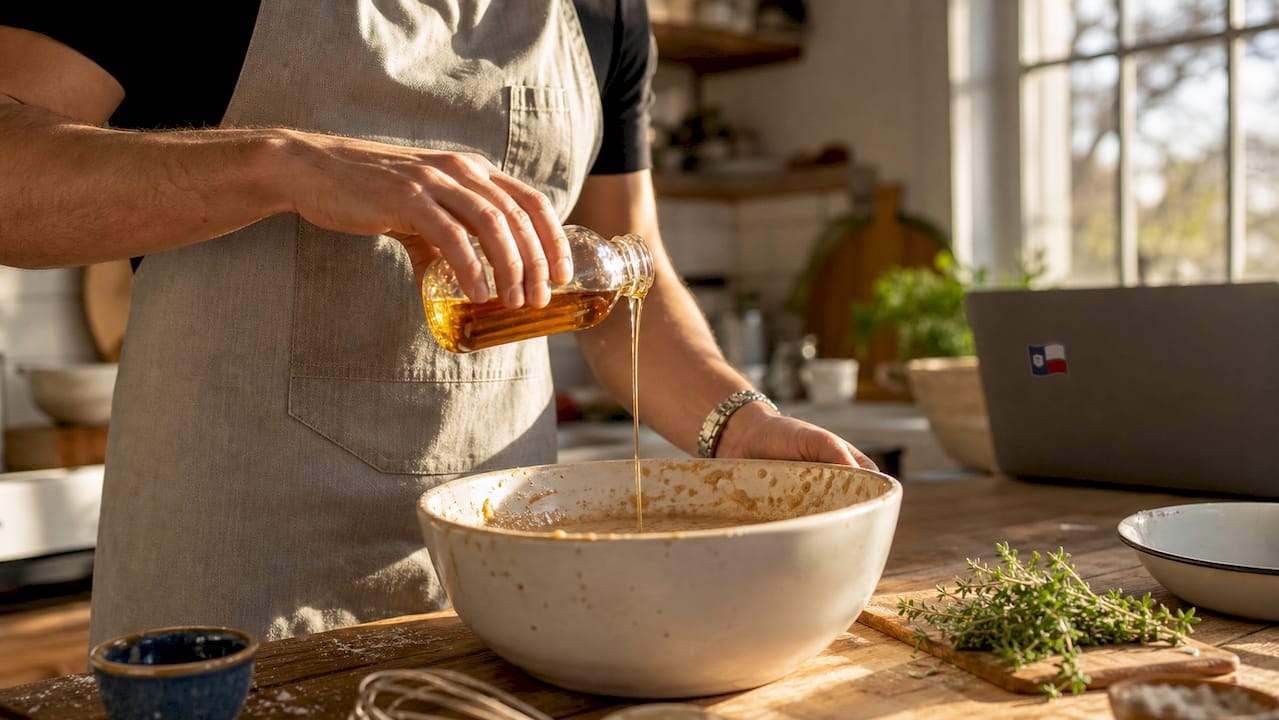
Pro Tip: Use 75ml of agave syrup to replace every 100g of refined white sugar in recipes. This ratio maintains moisture retention without destabilizing baked goods.
3. Date syrup
Date syrup is one of the most nutritionally complete options in this category. It’s made from whole dates, so it retains fiber, potassium, and antioxidants that refined syrups strip away. Homemade date syrup takes about 5 minutes with just three ingredients: dates, water, and a blender. The result is a thick, caramel-like syrup that works beautifully drizzled over yogurt, stirred into oatmeal, or used as a glaze for roasted carrots and sweet potatoes.
4. Maple syrup
Maple syrup is tapped directly from sugar maple trees and carries a warm, woody sweetness that no synthetic product replicates. Grade A Dark Color maple syrup has the most pronounced flavor and works best in baking, marinades, and coffee drinks. Lighter grades suit pancakes and yogurt parfaits where subtlety matters. Maple syrup also contains manganese and zinc, making it one of the more mineral-rich options among natural sweeteners in this list.
5. Brown rice syrup
Brown rice syrup is made by fermenting cooked brown rice with enzymes to break down starches into sugars. Its defining characteristic is viscosity. Brown rice syrup’s dextrose equivalent (DE) directly affects binding capacity and texture in both beverages and baked goods. Baristas use it in specialty drinks where a thicker mouthfeel is desirable. Bakers rely on it as a binding agent in granola bars and energy bites because it holds ingredients together without adding a strong flavor.
6. Coconut syrup
Coconut syrup is extracted from coconut palm sap and has a rich, amber color with a smooth, lightly caramel flavor. Consumer demand for organic coconut syrup has grown steadily as clean-label transparency becomes a priority in food and beverage manufacturing. That demand reflects a broader shift: buyers want to know exactly what’s in their sweetener and where it came from. Coconut syrup works well in tropical smoothies, bubble tea drinks, and as a drizzle over ice cream or waffles.
7. Monk fruit syrup
Monk fruit syrup is made from the extract of monk fruit, a small melon native to southern China. It’s intensely sweet, often 150–200 times sweeter than table sugar, so a small amount goes a long way. Monk fruit syrups have less glycemic impact than nectar-based syrups like agave or honey, making them a strong choice for anyone managing blood sugar. The flavor is clean with a slight fruity finish, and it holds up well in hot beverages like coffee and tea.
8. Stevia-based syrups
Stevia syrups are derived from the leaves of the Stevia rebaudiana plant. Stevia glycosides are approved in both the US and the EU, giving them a strong regulatory track record among non-nutritive plant sweeteners. They contain virtually no calories and have no meaningful effect on blood glucose. The main trade-off is a slight bitter aftertaste at high concentrations, which is why stevia syrups work best in small amounts in cold brew coffee, sparkling water, and protein shakes.
9. Yacon syrup
Yacon syrup comes from the root of the yacon plant, native to the Andes. Its sweetness comes largely from fructooligosaccharides (FOS), a type of prebiotic fiber that feeds beneficial gut bacteria. This means yacon syrup delivers sweetness with a lower caloric contribution than most other syrups. It has a mild, molasses-like flavor that pairs well with dark chocolate desserts and grain-based baked goods. For anyone focused on gut health alongside sweetness, yacon is worth exploring.
10. Barley malt syrup
Barley malt syrup is produced by sprouting barley, drying it, and cooking it down into a thick, dark syrup. It has a robust, slightly bitter, malt-forward flavor that makes it a natural fit for bread baking, bagels, and home brewing. The flavor is assertive, so it works best in recipes where that depth is an asset rather than a distraction. Whole grain bread recipes and dark ales benefit most from its distinctive character.
11. Fruit-based syrups
Fruit-based syrups, made from concentrated blueberry, raspberry, elderberry, or pomegranate juice, bring both sweetness and natural color to drinks and desserts. They contain the natural sugars of the fruit alongside trace antioxidants and polyphenols. These syrups shine in botanical beverage recipes, sparkling water cocktails, and drizzled over cheesecake or panna cotta. They also work as a natural food coloring in homemade lemonades and mocktails, which makes them a favorite among craft bartenders and home cooks alike.
How to choose the right plant syrup for your recipe
Matching a syrup to a recipe requires thinking about four things: sweetness intensity, flavor compatibility, texture, and health impact.
- Sweetness level: Monk fruit and stevia syrups are far more concentrated than maple or date syrup. Use them in small amounts and adjust to taste.
- Flavor compatibility: Maple syrup enhances warm spices like cinnamon and cardamom. Coconut syrup pairs with tropical and citrus profiles. Date syrup complements chocolate and caramel notes.
- Texture and viscosity: Brown rice syrup and date syrup are thick and sticky, making them ideal binders in granola and energy bars. Agave and stevia syrups are thinner and dissolve faster in cold liquids.
- Glycemic and caloric load: For blood sugar management, non-nutritive sweeteners like monk fruit outperform nectar-based syrups. For whole-food nutrition, date and yacon syrups offer fiber alongside sweetness.
- Ethical sourcing: USDA Organic certification confirms that a syrup was produced without synthetic pesticides or fertilizers. Look for this label when buying coconut, agave, or maple syrups.
Pro Tip: When substituting any plant syrup for granulated sugar in baking, reduce other liquids in the recipe by about 20% to compensate for the added moisture. This keeps texture consistent without making the final product dense or gummy.
For vegan-friendly options specifically designed for coffee drinks, the vegan coffee syrup guide at Font-mag covers the most practical picks for café and home use.
Nutritional profiles and what they mean for your health
Natural plant syrups are not a free pass on sugar. Nutritionists emphasize equal caution with natural and refined sweeteners, despite the clean-label marketing that surrounds many plant-based options. The body processes fructose from agave syrup and sucrose from maple syrup differently, but both still contribute to daily caloric intake.
“Focusing on overall diet and moderation matters more than simply choosing natural over artificial sweeteners. The source of the sugar matters less than the total amount consumed across the day.” Baylor College of Medicine nutrition guidance
The table below compares the key nutritional characteristics of common plant syrups to help you make informed choices.
| Syrup | Primary sugar | Caloric load | Glycemic impact | Notable benefit |
|---|---|---|---|---|
| Agave | Fructose | Lower than cane sugar | Moderate | Dissolves in cold liquids |
| Maple | Sucrose | Moderate | Moderate | Contains manganese and zinc |
| Date | Fructose, glucose | Moderate | Moderate | High fiber, whole-food origin |
| Monk fruit | None (extract) | Negligible | Very low | Strong blood sugar management |
| Stevia | None (glycoside) | Negligible | Very low | EU and US approved |
| Yacon | Fructooligosaccharides | Low | Low | Prebiotic fiber benefit |
The key takeaway from this table is that non-nutritive syrups like monk fruit and stevia are the only options that genuinely sidestep caloric and glycemic concerns. Every other syrup, however natural its origin, contributes real sugar and real calories to your diet.
Creative ways to use plant syrups in cooking and drinks
Plant syrups are most useful when you treat them as flavor tools, not just sweeteners. Here are the most practical applications:
- Sweeten coffee and espresso drinks. Agave and coconut syrups dissolve cleanly in hot and iced coffee. For a more complex flavor, try date syrup stirred into a flat white. Font-mag’s flavored espresso syrup guide covers the best pairings in detail.
- Build custom simple syrups. Combine any plant syrup with water, herbs, or spices over low heat to create infused syrups. Rosemary agave, lavender coconut, and ginger date syrups all work beautifully in cocktails and mocktails. The flavored simple syrup recipes at Font-mag offer ten tested starting points.
- Drizzle over breakfast and desserts. Maple syrup over pancakes is the obvious choice, but date syrup over Greek yogurt with walnuts is genuinely better. Yacon syrup drizzled over dark chocolate ice cream adds sweetness without the glycemic spike.
- Use as a glaze or marinade. Maple and barley malt syrups caramelize well under heat, making them excellent glazes for roasted root vegetables, salmon, and pork. Brush them on during the last 10 minutes of roasting for a lacquered finish.
- Sweeten tea and matcha drinks. Agave and coconut syrups dissolve easily in both hot and cold tea. They also pair naturally with bubble tea beverages, where a smooth, clean sweetness complements the milk tea base without competing with it.
Pro Tip: Store opened plant syrups in the refrigerator to extend shelf life and prevent fermentation. Maple syrup and date syrup are especially prone to mold once opened if left at room temperature.
Key Takeaways
The most effective plant based syrups balance natural sweetness, flavor versatility, and honest nutritional trade-offs, with no single syrup excelling at all three simultaneously.
| Point | Details |
|---|---|
| Substitution ratio matters | Use 75ml agave syrup per 100g sugar to maintain texture and moisture in baking. |
| Non-nutritive syrups lead on blood sugar | Monk fruit and stevia syrups have the lowest glycemic impact of all plant sweeteners. |
| Flavor drives the best pairings | Match syrup character to the dish: maple for warm spices, coconut for tropical, date for chocolate. |
| Natural does not mean unlimited | Nutritionists recommend the same moderation for natural syrups as for refined sugar. |
| Organic certification adds credibility | USDA Organic labeling confirms production without synthetic pesticides or additives. |
Why I think most people choose plant syrups for the wrong reason
Most people reach for agave or maple syrup because they believe it’s healthier than white sugar. That belief is only partially true, and it leads to overconsumption. The real reason to use plant syrups is flavor. Maple syrup does something to a bowl of oatmeal that white sugar simply cannot. Date syrup adds a caramel depth to a smoothie that no refined sweetener matches. Coconut syrup in a matcha latte creates a flavor combination that feels genuinely crafted.
The health angle is real but limited. Monk fruit and stevia syrups are the only options that meaningfully reduce caloric and glycemic load. Everything else is a trade, not a free upgrade. Once you accept that, you start choosing syrups based on what they actually bring to the recipe, and that’s when the results get interesting.
Storage is also something most guides skip over. Opened maple syrup left on the counter will develop mold within weeks. Date syrup ferments quickly at room temperature. Refrigerate everything once opened, and most plant syrups will last three to six months without quality loss.
My strongest recommendation: start with two or three syrups that cover different flavor profiles. Agave for neutral sweetness in cold drinks, maple for warm baking applications, and monk fruit for anything where you want sweetness without the calories. That trio covers most culinary situations without cluttering your pantry.
— Rosario
Font-mag’s syrup and specialty beverage collection
Font-mag carries a curated selection of syrups and specialty beverages built for both café professionals and home enthusiasts who take their drinks seriously.
The syrups collection at Font-mag includes plant-based, vegan, and flavored options from the globally recognized Sweetbird range, alongside other artisanal picks selected for flavor quality and clean ingredients. If you’re building drinks around natural sweeteners, the matcha collection pairs especially well with coconut and agave syrups for café-quality results at home. Font-mag ships fast, with free delivery on all orders over $35, so you can stock your bar or kitchen without waiting.
FAQ
What is the healthiest plant based syrup?
Monk fruit and stevia syrups are the healthiest options for caloric and blood sugar management, as both are non-nutritive and have very low glycemic impact. For whole-food nutrition, date syrup offers the most fiber and micronutrients among caloric plant sweeteners.
Can I use plant syrups in baking?
Yes, but substitution ratios matter. Use 75ml of agave syrup per 100g of refined sugar, and reduce other liquids in the recipe by about 20% to compensate for added moisture.
Are plant based syrups vegan?
All plant-derived syrups, including agave, maple, date, coconut, monk fruit, and stevia, are vegan. Honey is the one common syrup excluded from vegan diets, as it is animal-derived.
What plant syrup works best in coffee?
Agave and coconut syrups dissolve cleanly in both hot and iced coffee without altering the flavor significantly. Maple syrup adds a warm, woody note that pairs well with medium and dark roasts.
How long do plant syrups last once opened?
Most plant syrups last three to six months when refrigerated after opening. Maple syrup and date syrup are especially prone to mold or fermentation if stored at room temperature once opened.