

Natural Sweeteners for Tea: Your 2026 Health Guide
Natural sweeteners for tea are plant-derived or minimally processed alternatives to refined white sugar that add sweetness while preserving or enhancing the tea’s original flavor. Stevia, monk fruit, and raw honey lead this category, each with distinct flavor profiles, potency levels, and health considerations. The right choice depends on your tea type, health goals, and how much sweetness you actually want. This guide covers the top options, how to match them to your brew, and the practical tips that most articles skip entirely.
1. What are the best natural sweeteners for tea?
The top natural sweeteners for tea fall into two broad groups: zero-calorie plant extracts and minimally processed sugars with added nutrients. Each group serves a different kind of tea drinker.
Stevia
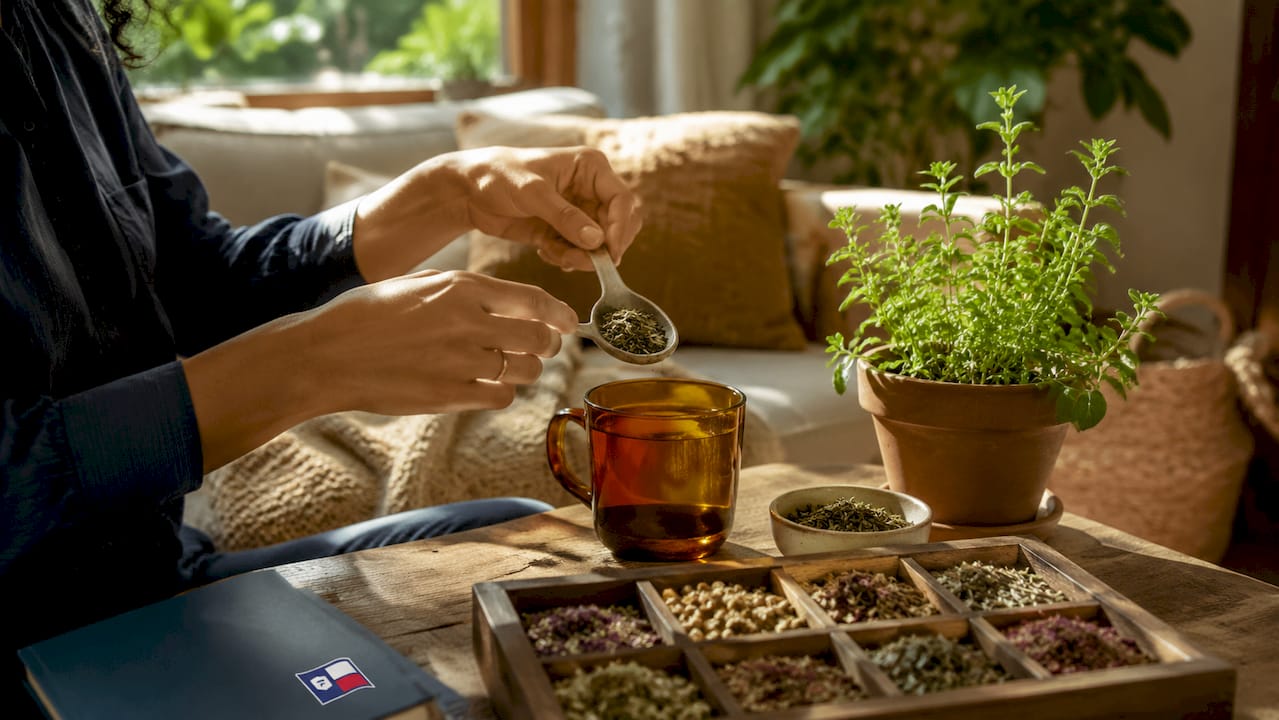
Stevia is 200–400 times sweeter than table sugar. That potency means a tiny pinch does the job, but too much turns bitter fast. Stevia works best in teas where you want clean sweetness without any competing flavor notes.
Monk fruit
Monk fruit extract is 100–250 times sweeter than sugar with zero calories and zero glycemic impact. Tea drinkers who find stevia’s aftertaste off-putting often prefer monk fruit for its cleaner finish. It dissolves well in both hot and cold tea.
Raw honey
Raw honey brings floral, earthy depth that refined sugar simply cannot replicate. It contains antioxidants and antibacterial compounds, though typical tea serving sizes are too small to produce significant clinical effects. Think of it as a flavor upgrade with a small wellness bonus.
Maple syrup
Maple syrup adds a warm, caramel-like sweetness that pairs beautifully with black and spiced teas. It dissolves quickly in hot liquid and brings trace minerals like manganese and zinc. Grade A dark maple syrup delivers the most pronounced flavor.
Coconut sugar
Coconut sugar has a mild butterscotch quality and a lower glycemic index than white sugar, though it still counts as added sugar. It works well in chai and robust black teas where its earthy sweetness blends rather than clashes.
Agave nectar
Agave nectar is sweeter than sugar and dissolves easily in cold liquids. That makes it one of the best sugar alternatives for tea served over ice. Its flavor is mild enough not to overpower green or herbal teas.
Pro Tip: Start with half the amount you think you need. Natural sweeteners tend to be more potent than white sugar, and you can always add more but cannot take it away.
2. How tea type shapes your sweetener choice
Tea type guides sweetener choice more than most tea drinkers realize. A sweetener that tastes perfect in a bold Assam can completely flatten a delicate white tea.
Black and chai teas handle strong, caramel-forward sweeteners well. Their tannin-heavy profiles stand up to coconut sugar, maple syrup, and even a small spoonful of raw honey. The sweetener’s flavor becomes part of the cup rather than a distraction.
Green teas need a lighter touch. Japanese matcha, sencha, and dragonwell all carry grassy, vegetal notes that a heavy sweetener will bury. Raw honey in small amounts, mild agave, or a single drop of liquid stevia work best here. The goal is to soften any bitterness without changing the tea’s character.
Herbal and floral teas pair well with honey and agave. Chamomile with a drizzle of wildflower honey is a classic combination for good reason. The floral notes in both amplify each other.
Iced teas present a practical challenge: granulated sweeteners do not dissolve well in cold water. Liquid sweeteners like agave nectar and monk fruit drops are the practical choice here. Pre-dissolved simple syrups made from coconut sugar also work well for cold brewing.
The risk with any strongly flavored sweetener is masking the tea itself. If you paid for a quality loose-leaf selection, you want to taste it. Use sweeteners to complement, not cover.
3. Practical tips for dissolving and using sweeteners correctly
Preparation technique matters as much as which sweetener you pick. A few simple habits protect both flavor and nutritional value.
Temperature and honey
Heat above 118°F quickly degrades honey’s beneficial enzymes and antioxidants. Let your tea cool for two to three minutes before stirring in raw honey. This preserves the compounds that make raw honey worth choosing over regular sugar in the first place.
Stevia dosage
Whole dried stevia leaves require about 1/4 teaspoon per cup. Exceeding that amount introduces a noticeable bitterness that overwhelms the tea. If you use a commercial stevia extract, start with a single drop or a small pinch and adjust from there.
Solubility in cold tea
Liquid sweeteners dissolve well in both hot and cold teas. Granulated options like erythritol or coconut sugar can leave a gritty texture in cold drinks unless you pre-dissolve them in a small amount of warm water first. Making a simple syrup takes two minutes and solves the problem entirely. You can find a full breakdown of syrup preparation in this craft cocktail and tea syrups guide.
Pro Tip: Blend monk fruit sweetener with allulose for a sugar-like texture and zero bitterness. Monk fruit and allulose blends dissolve smoothly in both hot and cold drinks and mimic the mouthfeel of sugar without the glycemic impact.
4. Health impacts: what “natural” actually means on the label
“Natural” does not automatically mean low-calorie or low-sugar. This distinction matters for anyone managing blood sugar, weight, or overall added sugar intake.
Honey, maple syrup, and agave are metabolized as sugars and count toward your daily added sugar total. They offer trace nutrients and antioxidants that white sugar lacks, but the caloric and glycemic load is real. A tablespoon of honey contains roughly the same calories as a tablespoon of white sugar.
Stevia and monk fruit are the only truly zero-calorie, zero-glycemic options in this group. They do not raise blood sugar and add no calories to your cup. For tea drinkers managing diabetes or following a low-carb diet, these are the practical choices.
Coconut sugar has a lower glycemic index than white sugar, but it still raises blood sugar. The difference is modest enough that it should not be treated as a free pass. Reading labels and tracking portions matters regardless of which sweetener you choose.
The natural sweeteners guide from Nature’s Soul Shop offers a useful breakdown of how different sweeteners compare across glycemic index, calorie count, and flavor profile for anyone who wants to go deeper on the health side.
| Sweetener | Calories (per tsp) | Glycemic index | Notable benefit |
|---|---|---|---|
| White sugar | 16 | 65 | None |
| Raw honey | ~21 | 58 | Antioxidants, antibacterial |
| Maple syrup | ~17 | 54 | Trace minerals |
| Coconut sugar | ~15 | 35 | Lower GI than white sugar |
| Agave nectar | ~21 | 15–30 | High fructose, good solubility |
| Stevia | 0 | 0 | Zero calorie, zero glycemic |
| Monk fruit | 0 | 0 | Clean taste, no aftertaste |
5. Organic and specialty options worth knowing
Organic tea sweeteners add one more layer of consideration. Certified organic raw honey and organic stevia leaf avoid pesticide residues that can show up in conventional versions. For tea drinkers who already invest in high-quality loose-leaf teas, sourcing organic sweeteners is a logical extension of that same standard.
Manuka honey deserves a specific mention. It carries a higher concentration of methylglyoxal, the compound linked to its antibacterial properties, compared to standard raw honey. The flavor is more intense and slightly medicinal, which pairs well with robust black teas but can clash with delicate greens. It is also significantly more expensive, so it is best reserved for teas where its flavor actually contributes.
Lucuma powder is a lesser-known option worth trying. It comes from a Peruvian fruit and has a natural caramel-like sweetness with a low glycemic index. It does not dissolve as cleanly as liquid sweeteners, but it blends well when whisked into warm teas. Its flavor profile works particularly well with rooibos and spiced herbal blends.
For tea drinkers who want to explore clean-ingredient sweetener alternatives beyond the standard options, the same principles that apply to specialty coffee flavorings translate directly to tea.
Key takeaways
The best healthy tea sweeteners match the tea’s flavor intensity, dissolve properly at the right temperature, and align with your personal health goals.
| Point | Details |
|---|---|
| Match sweetener to tea type | Light teas need delicate sweeteners; robust teas handle stronger, caramel-forward options. |
| Protect honey’s benefits | Add raw honey only after tea cools below 120°F to preserve enzymes and antioxidants. |
| Zero-calorie options exist | Stevia and monk fruit add no calories and have zero glycemic impact, ideal for low-sugar diets. |
| “Natural” still means sugar | Honey, maple syrup, and agave count as added sugars despite their nutrient benefits. |
| Solubility affects cold tea | Use liquid sweeteners or pre-dissolved syrups for iced tea to avoid gritty texture. |
What I’ve learned from years of sweetening tea the wrong way
By Rosario
My honest confession: I used to add honey to boiling tea and wonder why it tasted flat. The enzyme degradation issue was not on my radar at all. Once I started letting the cup cool for two minutes first, the floral notes in the honey actually came through. That single change made a bigger difference than switching to a more expensive honey.
The other thing I got wrong for years was using stevia in green tea. I thought zero-calorie meant zero risk. What I got was a bitter, slightly chemical cup that made me think I disliked green tea. The problem was dosage. A single drop of liquid stevia in a full cup of sencha is barely noticeable. Three drops ruins it. There is almost no margin for error with stevia in delicate teas.
My current approach is to keep three sweeteners on hand: raw honey for black and herbal teas, a monk fruit and allulose blend for iced teas and anything I want to keep calorie-free, and agave for green teas when I want something that dissolves instantly without fuss. That covers every situation without overcomplicating the ritual.
One trend I find genuinely interesting is the move toward blended sweeteners. Monk fruit alone can taste slightly hollow. Paired with allulose, it behaves more like sugar in both texture and sweetness. That combination is worth trying if you have been disappointed by single-ingredient zero-calorie sweeteners in the past.
Sourcing matters more than most people admit. Cheap “raw honey” from a big-box store often has minimal enzyme activity. Local raw honey from a farmers market or a reputable specialty supplier is a different product entirely. The same logic applies to organic stevia leaf versus mass-market stevia packets.
— Rosario
Font-mag’s tea and specialty beverage collection
Font-mag carries a curated selection of teas and specialty beverages that pair naturally with the sweeteners covered here.

The iced tea collection at Font-mag is a strong starting point for anyone experimenting with monk fruit drops or agave nectar in cold brews. The Sweetbird Iced Tea Syrup is a ready-made option that works as both a sweetener and a flavor base, available in a 1-litre format built for consistent results. Font-mag also stocks premium loose-leaf selections from MAG Tea alongside its small-batch coffees, so you can build a complete specialty beverage setup in one order. Free shipping applies to all orders over $35.
FAQ
What is the healthiest natural sweetener for tea?
Stevia and monk fruit are the healthiest options for most tea drinkers because both are zero-calorie and have zero glycemic impact. Raw honey is a good choice if you want added nutrients, provided you use it in small amounts.
Does honey lose its benefits in hot tea?
Yes. Heat above 118°F degrades honey’s enzymes and antioxidants. Add honey after your tea cools slightly to preserve its beneficial compounds.
Is stevia safe to use in tea every day?
Stevia is widely considered safe for daily use. The key is dosage: about 1/4 teaspoon of dried stevia leaf per cup, or a single drop of liquid extract, prevents the bitterness that comes from using too much.
Which sweetener dissolves best in iced tea?
Liquid sweeteners like agave nectar and monk fruit drops dissolve best in cold tea. Granulated sweeteners should be pre-dissolved in warm water before adding to iced tea to avoid a gritty texture.
Is maple syrup a good sugar alternative for tea?
Maple syrup works well in black and spiced teas. It dissolves quickly in hot liquid and adds a warm, caramel-like flavor. It still counts as added sugar, so use it in moderation.