

Botanical Beverage Syrups: Flavors, Uses, and Recipes
Botanical beverage syrups are flavor-rich, plant-infused sweeteners made by steeping herbs, flowers, fruits, or spices in a sugar-water base to create concentrated flavor extracts for drinks and food. The industry term for this category is “botanical simple syrup,” though the broader label of botanical beverage syrups captures the full range from floral lavender to spiced ginger blends. These syrups go far beyond ordinary sweeteners. They add aromatic depth, natural color, and complexity that plain sugar or corn syrup cannot match. For health-conscious consumers, they also offer a path to cleaner ingredient lists, with options built on cane sugar, honey, or agave instead of refined additives.
1. What are the most popular botanical beverage syrups?
The most-requested botanical syrups each bring a distinct flavor identity that pairs well with specific drinks and recipes. Knowing what each one tastes like helps you choose the right syrup before you buy or brew.
- Lavender syrup. Floral, lightly sweet, and faintly herbal. Pairs best with lemonade, sparkling water, and Earl Grey tea. The floral note fades fast with heat, so add it after brewing.
- Hibiscus ginger syrup. Tart, fruity, and warming. The hibiscus brings a deep ruby color and cranberry-like acidity, while ginger adds a clean heat. Works well in mocktails, iced teas, and agua frescas.
- Elderflower vanilla syrup. Delicate, honeyed, and slightly musky. Elderflower is one of the most nuanced botanicals available. It pairs naturally with Champagne-style drinks, cold brew, and light fruit teas.
- Rosemary syrup. Piney, savory, and resinous. A small amount goes a long way. Use it in citrus cocktails, lemonade, or even salad dressings.
- Mint syrup. Bright, cool, and clean. The most familiar botanical syrup for most consumers. Works in iced tea, mojito-style mocktails, and hot chocolate.
- Yuzu syrup. Citrusy, floral, and slightly tart. Yuzu is a Japanese citrus fruit with a flavor profile that sits between lemon, mandarin, and grapefruit. It adds a sophisticated edge to sparkling water and cocktails.
Pro Tip: Store floral syrups like lavender and elderflower away from direct light. UV exposure degrades the volatile aromatic compounds that make these syrups worth using.
2. How to use botanical syrups effectively in drinks
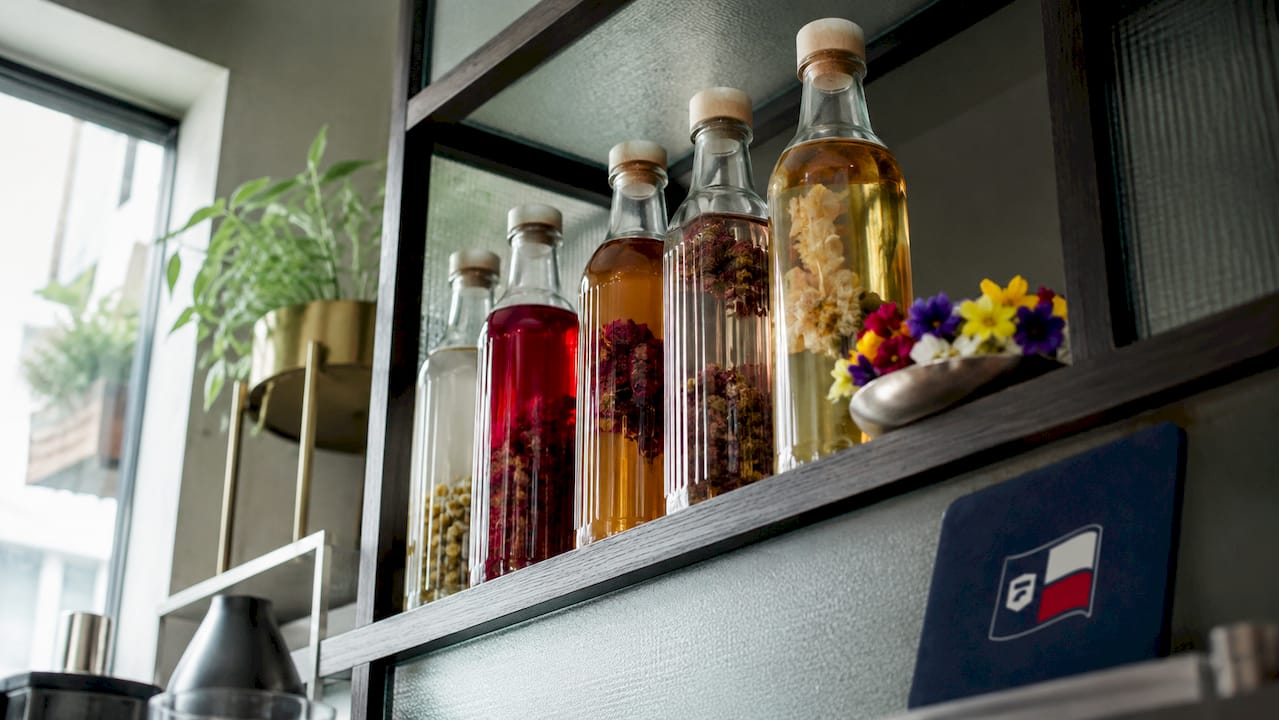
Dosage is the most overlooked factor when using herbal drink syrups. Too little and the flavor disappears. Too much and the drink becomes cloying or medicinal.
The standard starting point is 1 tablespoon per 8 oz of beverage. Concentrated botanical cocktail mixers typically call for 1 oz per 8–10 oz of liquid. Start at the lower end and adjust up, because you cannot remove sweetness once it is in the glass.
Acidity is the other critical variable. Balancing sweetness with acidity prevents the heavy, flat taste that ruins otherwise good drinks. A squeeze of lemon juice, a splash of citric acid solution, or even a small amount of apple cider vinegar cuts through the sugar and makes the botanical notes pop. This principle applies whether you are making a sparkling water spritzer or a full cocktail.
Pairing syrups with the right base matters too. Floral syrups like lavender and elderflower work best with neutral or lightly flavored bases such as sparkling water, white tea, or gin. Stronger syrups like rosemary or hibiscus ginger hold up against bolder bases like black tea, bourbon, or cold brew. You can find a solid overview of pairing principles in this home bar syrup guide that covers both cocktails and specialty teas.
Pro Tip: When adding botanical syrups to hot drinks, stir them in at the end of preparation. High heat breaks down delicate floral compounds and flattens the flavor.
3. How to make artisanal botanical syrups at home
Home production of artisan beverage syrups is straightforward, but small mistakes create big flavor problems. The process takes about 35–45 minutes from start to finish, including steeping and straining.
The base formula is a 1:1 ratio of sugar to water by weight. Combine them over medium heat until the sugar dissolves completely, then add your botanicals. The method you choose after that point determines the quality of the final syrup.
- Hot steeping. Add botanicals to the warm syrup and steep for 15–20 minutes off the heat. Fast and effective for hardy ingredients like ginger, rosemary, and cinnamon. Strain immediately after steeping to prevent bitterness.
- Cold maceration. Combine botanicals with sugar before adding water, then let the mixture sit at room temperature for 24–48 hours. Cold maceration preserves volatile flavor compounds better than heat-based methods. This technique is ideal for delicate flowers like lavender and elderflower.
- Late-addition method. Steep hardy base ingredients first with heat, then add delicate herbs or citrus zest in the final five minutes off the heat. This captures bright, fresh notes that would otherwise cook off.
Sugar choice changes the final product significantly. Cane sugar acts as a neutral base that lets botanical flavors come through cleanly. Honey adds aromatic complexity and a slightly thicker mouthfeel. Agave brings a mild, neutral sweetness with a lower glycemic impact. Molasses-heavy sugars like raw turbinado can overpower delicate floral botanicals entirely.
Macerating fresh botanicals with sugar before adding water preserves volatile flavor compounds better than boiling methods. The sugar draws out aromatic oils through osmosis, capturing the freshest expression of the plant before any heat degrades it. This is the technique professional syrup makers use to achieve depth that home cooks often find missing from their batches.
For shelf stability and visual appeal, pH control with citric or malic acid stabilizes botanical pigments and prevents essential oil separation. A small amount of gum arabic also keeps oil-based flavor compounds suspended evenly throughout the syrup. These additions are optional for home use but make a real difference in syrups you plan to store for more than a week.
4. Innovative culinary uses beyond beverages
Botanical syrups are versatile ingredients that extend well beyond drinks, crossing from the bar into the kitchen with surprising results. The same syrup that transforms a sparkling water also works as a finishing glaze, a salad dressing component, or a topping for breakfast foods.
- Dessert glazes. Brush rosemary or lavender syrup over pound cake, shortbread, or roasted stone fruit. The syrup caramelizes slightly and adds a layer of flavor that plain sugar cannot replicate.
- Salad vinaigrettes. Whisk hibiscus ginger syrup with olive oil and a splash of red wine vinegar. The syrup adds sweetness and acidity in one ingredient, reducing the need for added sugar.
- Yogurt and oatmeal toppings. A teaspoon of elderflower vanilla or mint syrup stirred into plain yogurt turns a basic breakfast into something worth eating. It also works as a natural alternative to flavored yogurt products loaded with additives.
- Marinades and glazes for proteins. Yuzu syrup mixed with soy sauce and sesame oil creates a quick glaze for salmon or chicken. The citrus notes brighten the savory base without overwhelming it.
- Ice cream and sorbet drizzles. Floral syrups poured over vanilla ice cream or lemon sorbet add complexity without competing with the base flavor.
The crossover from cocktail bars to home kitchens reflects a broader shift in how consumers think about flavored syrups. They are no longer just bar tools. They are pantry staples for anyone who cooks with intention. Font-mag carries a range of premium flavored syrups that work equally well in drinks and culinary applications, which makes stocking one bottle genuinely useful across multiple recipes.
You can also explore how botanical syrups fit into the growing category of clean-ingredient alternatives to conventional sweeteners, particularly for consumers watching artificial additives.
Key takeaways
Botanical beverage syrups deliver the most value when you match the right extraction method to the right botanical, balance sweetness with acidity, and apply them across both drinks and food.
| Point | Details |
|---|---|
| Start with the right dosage | Use 1 tablespoon per 8 oz as your baseline and adjust up from there. |
| Balance sweetness with acidity | Add lemon juice or citric acid to prevent flat, cloying flavor in any drink. |
| Match method to botanical | Use cold maceration for delicate flowers; use hot steeping for hardy spices and roots. |
| Choose sugar deliberately | Cane sugar preserves floral notes; honey and agave add complexity; avoid molasses-heavy sugars with delicate botanicals. |
| Think beyond the glass | Botanical syrups work as glazes, vinaigrettes, and breakfast toppings with the same quality results as in drinks. |
What I have learned from years of working with botanical syrups
The thing most people get wrong about natural drink syrups is assuming that more botanical equals more flavor. It does not. Oversteeping lavender turns it soapy. Oversteeping rosemary turns it medicinal. The best syrups I have worked with are restrained. They hint at the plant rather than shout it.
The other lesson that took me longer to accept is that home-crafted syrups often lack the depth of well-made commercial products. That is not a failure of effort. It is a matter of extraction precision. Professional producers capture volatile aromatic compounds in the first 48 hours of infusion using controlled temperature and timing. Home kitchens rarely replicate that. Knowing this pushed me toward cold maceration, which gets closer to that result without specialized equipment.
The trend toward botanical syrups is not a passing moment in beverage culture. Consumers are paying attention to what goes into their drinks in a way they were not five years ago. The demand for natural, plant-based flavor without artificial additives is only growing. My honest advice: start with one syrup you already love as a flavor, learn how it behaves in heat and cold, and build from there. Trying to master six syrups at once produces mediocre results across the board. One syrup done well teaches you more than a shelf full of experiments.
— Rosario
Font-mag carries syrups worth adding to your rotation
Font-mag stocks a curated selection of premium syrups suited for both creative drink recipes and culinary use. The collection includes botanical and herbal options that pair naturally with the brand’s specialty teas, matcha, and small-batch coffees. If you are building a home bar or a specialty drink setup, pairing a quality syrup with a well-sourced tea base makes a real difference. Font-mag’s iced tea collection offers several options that work directly with botanical syrups for cold drinks. Orders over $35 ship free, and fulfillment is fast enough that you can be experimenting with new flavor combinations within days. You can also browse the syrup selection at TOJ Express for additional options from a vetted specialty partner.
FAQ
What are botanical beverage syrups made from?
Botanical beverage syrups are made by steeping plant materials such as herbs, flowers, fruits, or spices in a heated or cold sugar-water base, then straining out the solids. Common botanicals include lavender, hibiscus, elderflower, rosemary, mint, and yuzu.
How long do botanical syrups last after opening?
Shelf-stable botanical syrups last 12–24 months unopened and 2–4 weeks refrigerated after opening. Homemade versions without preservatives typically last closer to 2 weeks in the refrigerator.
What is the best sugar to use in homemade botanical syrups?
Cane sugar is the best neutral base because it lets botanical flavors come through without interference. Honey and agave add their own aromatic notes, which can complement or compete with the botanicals depending on the recipe.
Can botanical syrups be used in food as well as drinks?
Botanical syrups work well as dessert glazes, salad vinaigrette components, yogurt toppings, and marinades. The same flavor principles that make them effective in drinks apply directly to culinary uses.
How do I prevent bitterness in homemade botanical syrups?
Strain the syrup immediately after steeping and never exceed the recommended steep time. Maceration and short infusions prevent the woody or bitter off-flavors that develop when botanicals sit too long in hot liquid.