

Coffee Roast Levels Explained: A Flavor Guide for Enthusiasts
Coffee roast levels are defined by the temperature and duration of heat applied to green beans during roasting, producing four distinct categories: light, medium, medium-dark, and dark. Each level generates a unique set of flavors, aromas, and physical bean properties through chemical reactions like the Maillard reaction and caramelization, which create hundreds of flavor compounds that determine what ends up in your cup. Understanding roast levels is the single most practical skill a coffee enthusiast can develop, because it directly informs how you buy, brew, and taste coffee. The Agtron scale, which measures roast by light reflectance, scores light roasts at 65 to 80, medium at 45 to 64, and dark at 25 to 44. This guide covers coffee roast levels explained from first crack to final brew.
1. What defines a light roast and its flavor profile
Light roast coffee is roasted to an internal bean temperature between roughly 356°F and 401°F (180°C to 205°C), stopping just after the first crack. The first crack is an audible pop caused by steam pressure inside the bean. Beans at this stage are cinnamon to light brown in color, have a dry surface with no oil, and remain physically dense and hard.
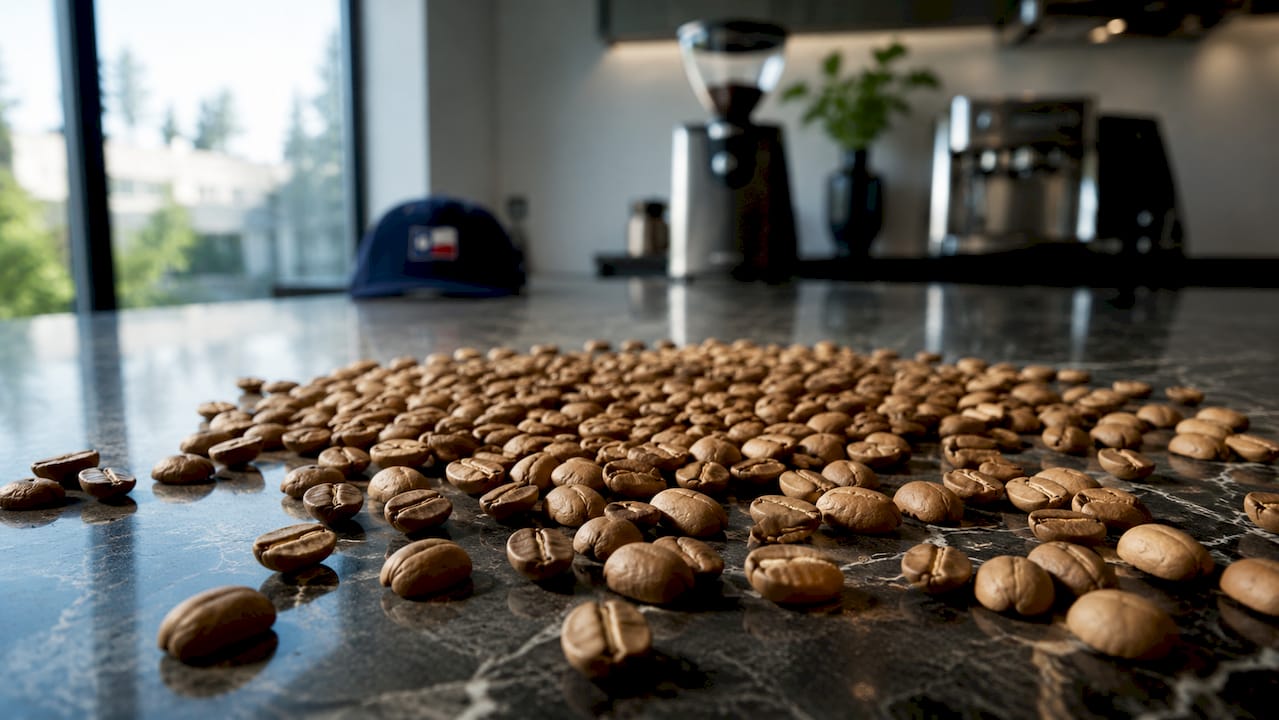
The flavor profile of a light roast is defined by bright acidity, fruity notes like citrus and berry, and floral complexity. These characteristics come from the bean’s origin, not the roast itself, because lighter heat preserves more of the green bean’s natural compounds. Specialty roasters like those producing single-origin Ethiopian or Kenyan coffees almost always use light roasts to showcase terroir.
Brewing a light roast requires precision. Because light roasts are physically denser, their cell walls resist water penetration, which means you need a finer grind, higher water temperature (around 200°F to 205°F), and a longer brew time to extract properly. Under-extraction produces a sour, thin cup that many people mistakenly blame on the roast itself.
- Grind: Finer than medium roast to compensate for density
- Water temperature: 200°F to 205°F for adequate extraction
- Best brew methods: Pour-over (Hario V60, Chemex), AeroPress, filter drip
- Common names: Cinnamon roast, New England roast, half city
- Caffeine note: Denser beans mean more caffeine per scoop by volume
Pro Tip: If your light roast tastes sour rather than bright, the problem is almost always under-extraction. Try a finer grind or add 30 seconds to your brew time before blaming the beans.
2. The medium roast: balance, sweetness, and versatility
Medium roast coffee reaches internal temperatures between 410°F and 428°F (210°C to 220°C), landing between the first and second crack. Beans take on a medium brown color with a light oil sheen, and the surface remains mostly dry. This is the most widely consumed roast level in the United States, and for good reason.
The flavor profile of a medium roast hits a sweet spot. Acidity softens compared to light roasts, while sweetness, chocolate, caramel, and nutty notes develop from the Maillard reaction and early caramelization. According to James Hoffmann’s research, sweetness peaks at medium roast on a bell curve, meaning both under-roasted and over-roasted beans produce less sweetness. This is the roast level where the coffee’s natural sugars are most fully developed without being burned off.
Medium roast is also the most versatile for home brewers, performing well across drip machines, pour-over, French press, and even espresso. It forgives minor inconsistencies in grind size and water temperature, which makes it the ideal starting point for anyone dialing in a new brewing setup.
- Grind: Standard medium grind for most methods
- Water temperature: 195°F to 200°F
- Best brew methods: Drip, pour-over, French press, cold brew
- Common names: American roast, breakfast roast, city roast
- Flavor notes: Chocolate, caramel, toasted nuts, mild fruit
Font-mag’s Broken Arrow Reserve is a strong example of a medium roast that delivers this balance. It showcases how Texas small-batch craftsmanship can produce a cup that is approachable for daily drinking yet complex enough to reward attention.
3. Medium-dark roasts: body, richness, and reduced acidity
Medium-dark roasts push into the 437°F to 455°F range (225°C to 235°C), reaching the onset of the second crack. Beans develop a richer, darker brown color with a noticeable oil sheen on the surface. This is where roast character begins to compete with origin character, producing a fuller body and bittersweet flavor notes.
The flavor profile shifts toward dark chocolate, toasted bread, and mild smokiness. Acidity drops significantly, making medium-dark roasts a better fit for drinkers who find light and medium roasts too bright. The body is heavier and more coating on the palate, which is why this level works particularly well in espresso and French press preparations where mouthfeel matters.
Medium-dark roasts also perform well in milk-based drinks. The bolder flavor cuts through steamed milk in a latte or cappuccino without the harshness that very dark roasts can introduce. Common names include Full City Plus, Vienna roast, and Continental.
Pro Tip: Medium-dark roasts have a shorter freshness window than lighter roasts because the oils on the bean surface oxidize faster. Buy in smaller quantities and store in an airtight, opaque container away from heat. Aim to use within two to three weeks of the roast date.
4. Dark roasts: bold flavor, oiliness, and brewing adjustments
Dark roast coffee is roasted at or beyond the second crack, reaching temperatures above 455°F (235°C). Beans emerge very dark brown to nearly black, with a visibly oily surface caused by internal oils migrating through the porous cell structure. The beans are lighter in weight than lighter roasts because moisture and mass are lost during extended roasting.
The flavor profile of a dark roast is dominated by the roast itself rather than the bean’s origin. Expect smoky, bittersweet, and dark chocolate notes with a heavy body and very low acidity. French roast and Italian roast sit at the extreme end, scoring below 30 on the Agtron scale. These profiles work exceptionally well in espresso, French press, and milk-based drinks where boldness is the goal.
Brewing dark roasts requires specific adjustments to avoid bitterness. Because dark roasts extract quickly due to their porous structure, over-extraction is a real risk. Use cooler water (88°C to 92°C, or 190°F to 198°F) and a coarser grind than you would for medium roast. This slows extraction and prevents the bitter, ashy flavors that come from pulling too many compounds out of an already heavily developed bean.
| Roast level | Agtron score | Surface | Acidity | Body |
|---|---|---|---|---|
| Light | 65 to 80 | Dry | High | Light |
| Medium | 45 to 64 | Slight sheen | Moderate | Medium |
| Medium-dark | 35 to 44 | Oily sheen | Low | Full |
| Dark | 25 to 34 | Very oily | Very low | Heavy |
Storage matters more for dark roasts than any other level. The oily surface accelerates staling, so dark roast beans should be consumed within two to three weeks of the roast date. Avoid storing them in the freezer unless they are vacuum-sealed, as moisture from thawing degrades flavor rapidly.
5. How roast level affects caffeine, solubility, and extraction
One of the most persistent myths in coffee is that dark roast contains more caffeine because it tastes stronger. Caffeine is chemically stable through roasting, meaning caffeine content by weight changes minimally across roast levels. The confusion comes from measuring by volume rather than weight.
Light roast beans are denser, so a scoop of light roast contains more beans by mass and therefore slightly more caffeine. Dark roast beans have expanded and lost mass, so the same scoop contains fewer beans. If you measure by weight (which any serious home brewer should), the caffeine difference is negligible.
Solubility and extraction behavior are where roast level makes a real practical difference. Light roasts are less soluble due to their dense cell structure, requiring finer grind settings and higher water temperatures to achieve proper extraction. Dark roasts are porous and extract rapidly, making them forgiving of coarser grinds and lower temperatures. Understanding coffee extraction dynamics helps you adjust your technique when switching between roast levels rather than assuming the beans are flawed.
Pro Tip: When switching from a dark roast to a light roast on the same brewer, start by making your grind finer and raising your water temperature by 5°F. Taste before adjusting anything else. Most “bad” light roast experiences are extraction problems, not roast problems.
Freshness compounds all of these variables. Roast labels are not standardized across roasters, meaning one brand’s “dark roast” may be another’s “medium-dark.” The roast date and tasting notes on the bag are more reliable guides to what you are actually buying than the roast name alone. For a practical checklist on evaluating freshness, the signs of fresh roasted coffee are worth knowing before you buy.
Key takeaways
Roast level is the single most influential variable in coffee flavor, and matching it to your brew method and grinder capability determines whether you get the best or worst from any bean.
| Point | Details |
|---|---|
| Roast level defines flavor | Light roasts preserve origin character; dark roasts express roast character. |
| Brewing must match the roast | Light roasts need finer grind and higher heat; dark roasts need coarser grind and cooler water. |
| Caffeine myth debunked | Caffeine is stable through roasting; differences by volume come from bean density, not roast level. |
| Freshness matters most for dark roasts | Oily dark roast beans stale faster and should be used within two to three weeks of roast date. |
| Roast labels are not standardized | Use roast date and cupping notes to judge a coffee, not the roast name on the bag. |
What I’ve learned from years of brewing across every roast level
I spent a long time defaulting to medium roast because it was easy. It forgave my inconsistent grind, my impatient brew times, and my tendency to eyeball water temperature. That convenience is real, and I still recommend medium roast to anyone building their first home setup.
But the most interesting coffee I have ever tasted came from a light roast Ethiopian natural processed through a Hario V60 at 204°F. The cup tasted like blueberry jam and jasmine. Nothing in my experience had prepared me for coffee tasting like that, and it only happened because I finally took the time to dial in the extraction properly.
The mistake most enthusiasts make is treating roast level as a fixed preference rather than a variable to experiment with. Your palate changes. Your equipment improves. A light roast that tasted sour six months ago might taste extraordinary today if your grinder has better burrs or your technique has sharpened.
I also want to push back on the idea that dark roast is somehow less sophisticated. A well-pulled espresso from a quality dark roast, with proper water temperature and a coarse enough grind, is one of the most satisfying drinks in the world. The problem is never the roast level. The problem is almost always the brewing approach not matching the roast’s physical properties.
Use roast labels as a starting point, not a verdict. The origin of the bean matters as much as the roast level, and the two interact in ways that make every new coffee worth approaching with curiosity rather than assumption.
— Rosario
Explore Font-mag’s curated coffee roast selection
Font-mag carries small-batch coffees across the full roast spectrum, from bright and fruit-forward light roasts to bold, full-bodied dark profiles. The celebrated Broken Arrow Reserve sits at the heart of the lineup, but the retail coffee collection extends well beyond a single blend. You will find specialty single-origins, seasonal offerings, and flavored options built on four generations of Texas craftsmanship. Font-mag also stocks MAG Tea loose-leaf selections and Sweetbird syrups for when you want to build a full café experience at home. Free shipping applies to all orders over $35, with fulfillment fast enough to keep your beans genuinely fresh.
FAQ
What are the four main coffee roast levels?
The four main roast levels are light, medium, medium-dark, and dark, each defined by roasting temperature, bean color, and flavor profile. The Agtron scale measures these objectively, with light roasts scoring 65 to 80 and dark roasts scoring 25 to 44.
Does dark roast have more caffeine than light roast?
No. Caffeine is chemically stable through roasting, so the difference by weight is minimal. Light roast beans are denser, meaning a scoop by volume contains slightly more caffeine, but measuring by weight makes the difference negligible.
Which roast level is best for espresso?
Medium-dark and dark roasts are most commonly used for espresso because their lower acidity, heavier body, and faster extraction suit the high-pressure, short-brew-time format. Medium roasts also work well for espresso when dialed in precisely.
Why does my light roast taste sour?
Sourness in light roast coffee is almost always caused by under-extraction. Light roasts are denser and less soluble, requiring a finer grind and higher water temperature (200°F to 205°F) than darker roasts to extract properly.
How long do dark roast beans stay fresh?
Dark roast beans have an oily surface that oxidizes quickly, so they should be consumed within two to three weeks of the roast date. Store them in an airtight, opaque container at room temperature, away from heat and light.
Recommended
- Why Coffee Origins Taste Different: A Flavor Science Guide – Font Coffee Roasters
- Texas Roast Coffee Brewing Guide for Enthusiasts – Font Coffee Roasters
- Supporting Local Roasters Checklist for Coffee Lovers – Font Coffee Roasters
- What Is Single Origin Coffee? A Flavor Guide for Enthusiasts – Font Coffee Roasters