

Coffee and Tea Pairing Guide: Flavors That Actually Work
The best coffee and tea pairings follow one rule above all others: match intensity. A bright, citrusy light roast coffee belongs next to a flaky croissant or fresh berries, not a dense chocolate brownie. A robust black tea holds its own against smoked salmon or blue cheese. Get the intensity wrong and one flavor bulldozes the other. Get it right and both taste better than they would alone.
The best coffee and tea pairings at a glance
Before diving into the principles and techniques, here are the pairings that consistently deliver the best results:
Top coffee pairings by roast:
- Light roast: croissants, fruit tarts, yogurt parfaits, citrus-forward pastries
- Medium roast: scones, quiches, milk chocolate, turkey sandwiches
- Dark roast: dark chocolate (70%+ cacao), tiramisu, grilled meats, hearty stews
Top tea pairings by type:
- Black tea: scones with clotted cream, smoked salmon sandwiches, blue cheese, fruitcake
- Green tea and matcha: sushi, steamed vegetables, light rice crackers, delicate shortbread
- Herbal teas: spiced cookies, floral honey cakes, ginger-glazed dishes, chamomile with vanilla custard
Dairy and sweetness are your two most reliable tools for softening bitterness in any pairing. Milk fats act as emulsifiers that bind tannins and smooth out harsh edges, whether you’re pairing a drink with food or blending coffee and tea together. A touch of honey, condensed milk, or simple syrup does the same job from the sweetness side.
Pro Tip: When a coffee or tea tastes too sharp on its own, add a small splash of whole milk before reaching for sugar. Fat softens tannins faster than sweetness does, and you’ll use less sweetener overall.
Core principles for pairing coffee and tea with food
Good pairings are not accidental. They follow a short set of principles that apply whether you’re choosing a pastry for your morning espresso or building a full afternoon tea spread.
Match intensity first
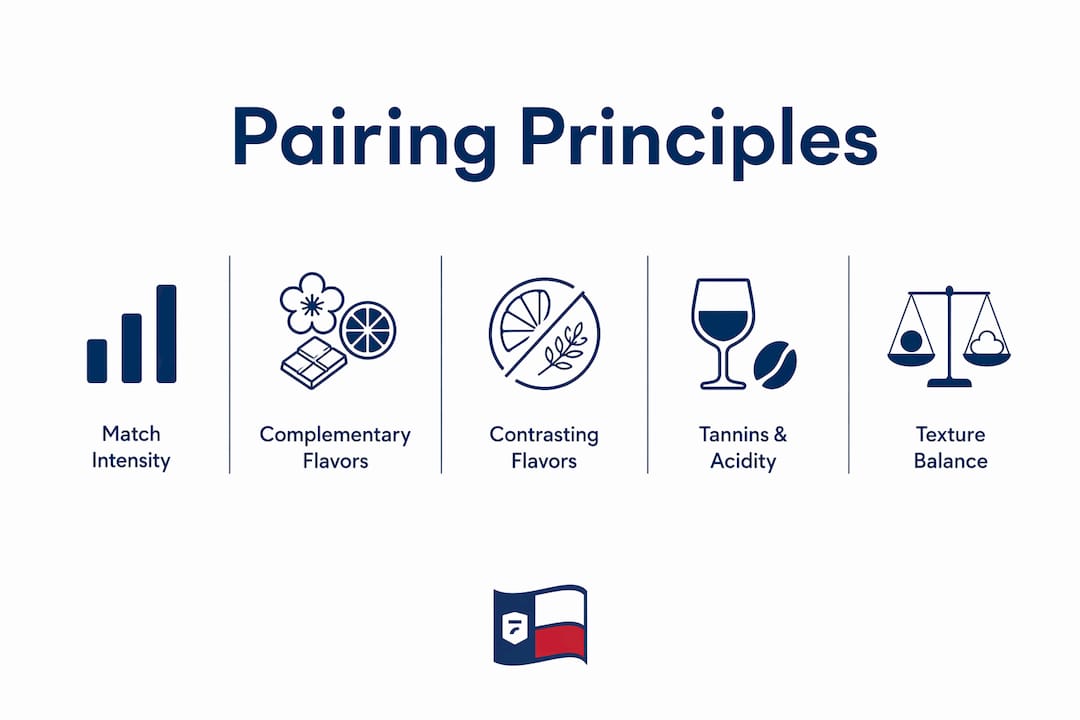
The single most common pairing mistake is mismatching strength. A delicate white tea will disappear next to a slice of rich chocolate cake. A dark roast espresso will flatten the subtle floral notes of a cucumber sandwich. Think of intensity as volume: both the drink and the food should be playing at roughly the same level.

Work with complementary or contrasting flavors
Two approaches both work, and knowing which one you’re using helps. Complementary pairing means finding flavors that echo each other: a nutty medium roast coffee alongside a hazelnut biscotti, or an earthy pu-erh tea with mushroom toast. Contrasting pairing means using opposition to create balance: the bitterness of a dark roast coffee cuts through the fat of a cream-filled pastry, making both taste cleaner.
Understand tannins and acidity
Both coffee and tea contain tannins, the compounds responsible for that dry, slightly astringent sensation. High-tannin drinks like strongly brewed black tea or dark roast coffee can clash with acidic foods, amplifying bitterness on both sides. Over-steeping tea increases tannin extraction dramatically, so timing your steep matters as much as what you pair it with.
Key principles to keep in mind:
- Pair light-bodied drinks with light-textured foods (flaky, delicate, fresh)
- Pair full-bodied drinks with dense, rich, or fatty foods
- Use dairy or sweeteners to bridge any bitterness gap
- Avoid pairing high-tannin drinks with very acidic foods
- Serve drinks at the right temperature: matcha at 160–170°F, black tea at 195–205°F, and most coffees at 195–205°F
Texture matters more than most guides acknowledge. A creamy, full-fat scone softens the astringency of a strong Assam black tea in a way that a dry cracker simply cannot. The fat in the food does the same work as the fat in milk.
How to pair coffee with food by roast level
Light roast coffees carry bright acidity and fruity notes that pair best with foods that complement their vibrancy rather than compete with it. Think of a washed Ethiopian coffee with notes of blueberry and jasmine sitting next to a lemon poppy seed muffin. The citrus in the muffin amplifies the fruit in the coffee rather than clashing with it.
Light roast pairings:
- Croissants and butter pastries (the fat softens acidity)
- Fresh berries and fruit tarts
- Yogurt with honey
- Eggs Benedict with hollandaise
- Soft cheeses like brie or fresh chèvre
Medium roast is the most forgiving category for pairing because its balanced flavor profile sits comfortably between bright and bold. The acidity is lower than a light roast, and the body is fuller, which means it can handle both sweet and savory companions without much adjustment.
Medium roast pairings:
- Scones and quick breads
- Quiche and egg-based savory dishes
- Milk chocolate or semi-sweet chocolate
- Turkey or chicken sandwiches
- Banana bread and spiced muffins
Dark roast coffee demands equally bold food. Its chocolate, caramel, and sometimes smoky notes need something rich enough to stand alongside them. A dark roast espresso with a plain rice cake is a mismatch: the coffee overwhelms the food entirely. Pair it instead with a brownie, a slice of tiramisu, or a plate of grilled short ribs.
Dark roast pairings:
- Dark chocolate (70% cacao or higher)
- Tiramisu and chocolate lava cake
- Grilled meats and hearty stews
- Aged cheddar or gouda
- Pecan pie and caramel tarts
For anyone exploring coffee roast levels in more depth, the flavor differences between roast profiles go well beyond color and caffeine content.
How to pair teas with food: black, green, and herbal guides
Tea pairing follows the same intensity-matching logic as coffee, but the flavor range is wider. Black tea sits at one end, herbal tisanes at the other, with green, white, and oolong filling the middle.
Black tea
Black teas pair well with hearty, rich foods that can match their robust, malty character. Classic English Breakfast or Assam teas are built for savory pies, roast meats, and strong cheeses. Blue cheese, in particular, is a surprisingly good match: its pungent fat content softens the tea’s tannins, and the tea’s bitterness cuts through the cheese’s richness.
- Scones with clotted cream and jam (the British classic exists for good reason)
- Smoked salmon tea sandwiches
- Blue cheese or aged cheddar
- Fruitcake and spiced loaf cakes
- Roast beef or lamb dishes
Green tea and matcha
Green tea’s grassy, vegetal notes and lower tannin content make it a natural partner for lighter, more delicate foods. Seafood is a classic match in Japanese cuisine for exactly this reason: the tea’s clean finish refreshes the palate between bites without overwhelming the food’s subtle flavors. Matcha, with its deeper umami character, can handle slightly richer pairings like white chocolate or pistachio-based desserts.
- Sushi and sashimi
- Steamed dumplings
- Light rice crackers and sesame snacks
- Delicate shortbread or almond cookies
- Fresh fruit salads with mint
For matcha specifically, the Rishi Tea Bulk Barista Matcha from Font-mag is a barista-grade option that holds up well in both food pairing and beverage blending.
Herbal teas
Herbal teas (technically tisanes, since they contain no Camellia sinensis leaves) cover the widest flavor range of any category. Chamomile is floral and mildly sweet; peppermint is cool and sharp; rooibos is earthy and honeyed; ginger is warming and spicy. Each one calls for a different food companion.
- Chamomile: vanilla custard, shortbread, honey cake, mild brie
- Peppermint: dark chocolate, lamb dishes, fresh fruit
- Rooibos: cinnamon rolls, spiced nuts, dried fruit and cheese boards
- Ginger: ginger snaps, miso soup, Asian-spiced noodle dishes
- Hibiscus: tropical fruit, citrus tarts, light berry desserts
Seasonal thinking helps here. Ginger and peppermint teas feel natural in fall and winter alongside warming spiced foods. Hibiscus and chamomile belong in summer with fresh fruit and lighter fare. Font-mag’s loose tea collection covers all of these categories with premium selections from MAG Tea.
Pairing pastries with coffee and tea
Pastries and hot drinks are the most natural pairing in the world, but the match still matters. A mildly sweet croissant alongside a bright light roast coffee is a clean, elegant pairing. That same croissant with a dark roast espresso? The coffee flattens the pastry’s delicate butteriness.
Pastries with mild sweetness complement light roast coffees and subtle teas like green or white tea. Rich or heavily spiced pastries pair better with stronger black teas or dark roast coffee. The principle is simple: the pastry’s sugar level and spice intensity should roughly mirror the drink’s boldness.
Mild and delicate pastries:
- Plain croissants with light roast coffee or white tea
- Madeleines with green tea or a floral oolong
- Lemon tarts with a bright Ethiopian light roast
- Shortbread with chamomile or a mild Darjeeling
Rich and spiced pastries:
- Cinnamon rolls with medium roast coffee or chai black tea
- Pecan sticky buns with dark roast or Assam
- Chocolate croissants with a dark roast espresso
- Cardamom buns with a spiced masala chai
Temperature plays a real role in how pastry and drink interact. A warm, just-baked croissant releases more butter aroma, which softens the perception of bitterness in the accompanying coffee. Serving a pastry cold from the refrigerator dulls its flavor and makes the drink taste sharper by comparison. When possible, bring pastries to room temperature or warm them briefly before serving.
Pro Tip: Store pastries in an airtight container at room temperature for up to two days. Refrigeration dries them out and mutes their flavor, which undercuts even the best pairing.
If you’re building a pairing spread that goes beyond pastries, a gourmet popcorn pairing guide offers some genuinely interesting ideas for extending the snack range alongside coffee and tea.
Expert techniques for blending and serving coffee and tea together
Mixing coffee and tea directly is a tradition with deep roots in Hong Kong, Malaysia, Singapore, and Ethiopia. The drinks that come from these traditions are not novelties. They’re carefully balanced beverages built on real technique.
The role of dairy and sweetness
The secret to a successful coffee-tea blend is bridging the two flavor worlds, and dairy and sweetness are the bridge. Milk fat binds tannins from both the coffee and the tea, softening the astringency that would otherwise make the blend feel harsh. Sweetness, even a small amount, rounds out the edges further. You don’t need the drink to taste sweet. You just need enough sugar to take the sharpness off.
The golden ratio for Yuenyeung
Hong Kong’s Yuenyeung is the most famous coffee-tea blend in the world, and its golden ratio is 70% coffee and tea combined to 30% evaporated milk. The evaporated milk is not optional: its fat content binds the tannins from both beverages and creates the drink’s signature silky texture. Regular milk works but produces a thinner result. Condensed milk adds sweetness along with fat, which is why some versions use a combination of both.
Assembly order matters
When making drinks like Dirty Chai or Dirty Matcha, the order you combine ingredients changes the final texture. Adding espresso into a pre-steamed milk tea base allows the coffee oils to emulsify into the milk rather than sitting on top. The result is a unified, smooth drink instead of two separate layers fighting each other. Pour the espresso last, directly into the steamed milk-tea mixture, and stir gently.
Cold brew and concentrated extracts for iced drinks
For iced coffee-tea blends, dilution is the main enemy. Regular brewed coffee poured over ice loses its body within minutes. Cold-brew coffee or double-ristretto shots maintain viscosity in the blend, preventing the drink from going watery and enabling better layering in a glass. Brew both the tea and the coffee at double strength before chilling, then combine over ice.
Roast selection for blending
Lighter roast coffees work better in most coffee-tea blends because their acidity is gentler and their floral or fruity notes complement rather than clash with tea’s character. Green tea and matcha pair particularly well with lighter roasts: the tea’s L-theanine and the coffee’s caffeine create a more balanced energy lift, and the flavors align rather than compete. Dark roasts can work in blends like Yuenyeung where the milk content is high enough to absorb the intensity, but they tend to overpower more delicate teas.
Sweetbird syrups and flavor customization
Font-mag carries the full Sweetbird collection, which is one of the most practical tools for dialing in coffee-tea pairings at home or in a café setting. A vanilla syrup softens a Dirty Chai. A lavender syrup transforms a Dirty London Fog. Caramel works beautifully in an iced Yuenyeung. The syrups collection at Font-mag covers classic and specialty flavors that let you adjust sweetness and flavor direction without changing the base drink.
Pro Tip: Start with a 70:30 ratio of tea to coffee in any blend, then adjust from there. Most people find they prefer more tea than coffee in the mix, but the only way to find your ratio is to taste as you go. Keep notes on what works.
Build your pairing kit with Font-mag

Font-mag stocks everything you need to put this guide into practice. The flavored coffee collection includes small-batch roasts that pair beautifully with pastries, chocolates, and savory dishes. For tea, the matcha collection covers everything from barista-grade ceremonial powder to sweetened blends ready for lattes and iced drinks. Free shipping applies on all orders over $35, and fulfillment is fast enough that you can be experimenting by the weekend.
Key Takeaways
Matching intensity between your drink and your food is the single most reliable rule in any coffee and tea pairing guide.
| Point | Details |
|---|---|
| Match intensity first | Light roasts suit delicate foods; dark roasts need bold, rich pairings to hold their own. |
| Use dairy to soften tannins | Milk fat binds tannins in both coffee and tea, producing a smoother, less astringent result. |
| Yuenyeung golden ratio | The classic Hong Kong blend uses 70% coffee and tea to 30% evaporated milk for silky texture. |
| Assembly order changes texture | Adding espresso into steamed milk tea emulsifies the coffee oils and prevents separation. |
| Cold brew prevents dilution | Double-strength cold brew or ristretto shots maintain body in iced coffee-tea blends. |
Recommended
- Specialty Coffee Flavorings: Top 10 for Enthusiasts – Font Coffee Roasters
- Coffee vs Tea Caffeine Comparison: What You Need to Know – Font Coffee Roasters
- Coffee Shop Syrup Flavors: A Home Barista’s 2026 Guide – Font Coffee Roasters
- Coffee Roast Levels Explained: A Flavor Guide for Enthusiasts – Font Coffee Roasters