

Coffee Syrup Uses Checklist: 30+ Ways to Use Every Bottle
Coffee syrup earns its keep in eight places: hot drinks, iced drinks and cold brew, milk-based creamers, cocktails and mocktails, baking and glazes, desserts and toppings, breakfast bowls, and pantry hacks like marinades and flavored ice cubes. Start small, always: 1 to 2 teaspoons or 1 pump per 8 ounces, taste, then adjust up. Both store-bought bottles and homemade batches work fine for every use below.
- Hot drinks: lattes, mochas, steamers
- Iced drinks: shaken espresso, cold brew tonic, flavored iced tea
- Milk-based: creamers, flavored milk, milkshakes
- Cocktails/mocktails: espresso martini riffs, coffee old-fashioned, coffee lemonade
- Baking: cake glaze, tiramisu soak, frosting
- Desserts/toppings: panna cotta drizzle, yogurt swirl, ice cream sauce
- Breakfast: pancake drizzle, oatmeal mix-in
- Pantry: marinades, glazed sauces, flavored ice cubes
Key Takeaways
Coffee syrup works across eight practical categories, and getting the dose and mixing order right matters more than which flavor you pick.
| Point | Details |
|---|---|
| Start small | Use 1 to 2 teaspoons or 1 pump per 8 ounces, then taste before adding more. |
| Match mixing order to temperature | Add syrup before espresso in hot drinks; mix syrup with coffee before ice in cold drinks. |
| Know your syrup type | Use flavored 1:1 syrup for drinks and true coffee syrup for baking and dense desserts. |
| Store homemade batches properly | Refrigerated 1:1 syrup lasts about 3 to 4 weeks; richer 2:1 syrup lasts longer. |
| Shop Font-mag for ready-made options | Font’s Sweetbird syrup collection covers vanilla, caramel, and hazelnut for drinks and baking alike. |
Table of Contents
- The Complete Coffee Syrup Uses Checklist by Category
- Flavored Syrup, Coffee Syrup, or Sauce: What’s the Difference?
- How Much Syrup Should You Use in Hot vs. Cold Drinks?
- How to Make Homemade Coffee Syrup and Simple Syrup
- Six Fast Recipes to Try Tonight
- What Most Syrup Guides Get Wrong
- Stock Your Own Syrup Shelf With Font-mag
- Frequently Asked Questions
- Sources
The Complete Coffee Syrup Uses Checklist by Category
Once you’ve got a bottle open, the real question is where to point it first. Here’s the breakdown, organized by category, with dosages and quick methods for each.
1. Hot coffee drinks
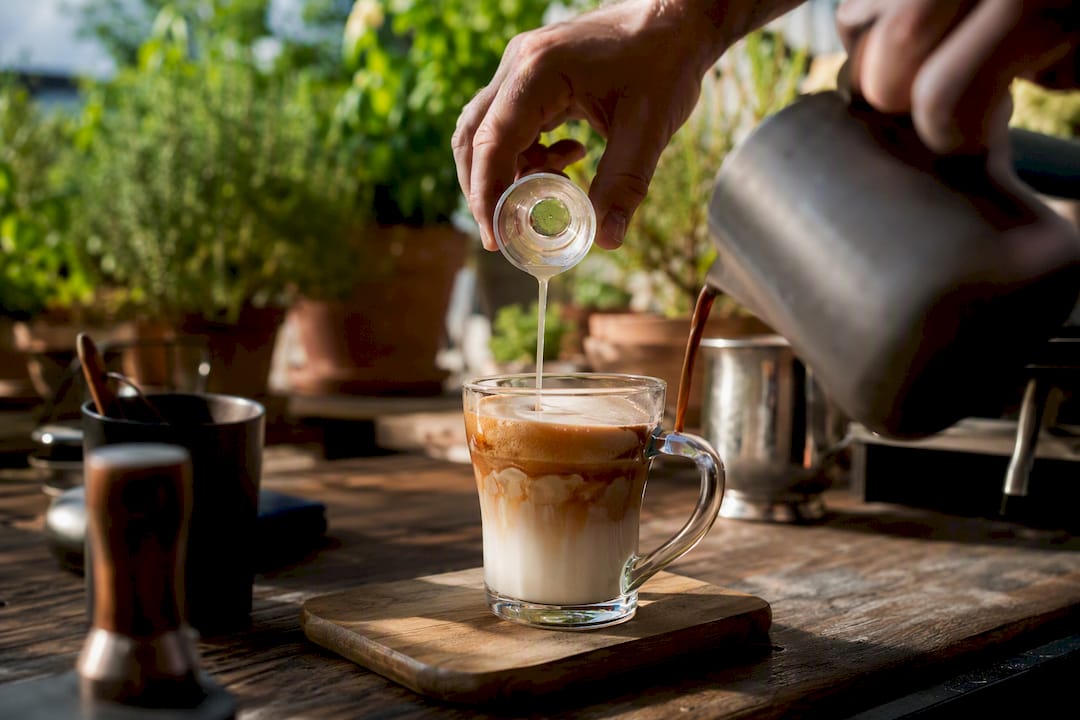
A vanilla latte is the gateway example: 1 pump or 1 teaspoon of syrup per 8 ounces, added to the cup before the espresso hits it. Mochas work the same way, just swap in a chocolate or caramel syrup and skip (or reduce) the added sugar. Steamers, essentially syrup-flavored steamed milk with no coffee, use the identical ratio and are a solid decaf option for kids or anyone skipping caffeine after noon.
2. Iced drinks and cold brew
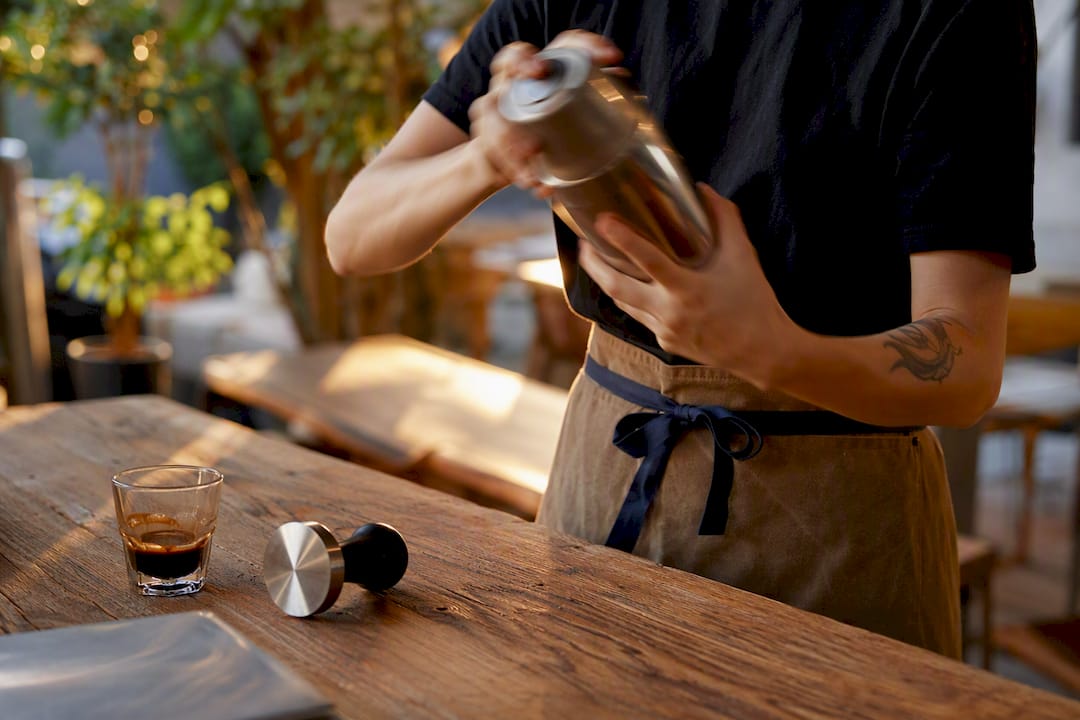
Shaken iced espresso wants the syrup mixed with the espresso shot before ice goes in, so it dissolves instead of pooling at the bottom of a cold glass. Cold brew tonic follows the same rule: syrup plus cold brew concentrate first, tonic water second, ice last — with adventurous readers advised on how to mix add-ins for optimal flavor in recipes like this in Shilajit Resin in Coffee: How to Mix It Right. This mixing order matters more in cold drinks than hot ones, because sugar dissolves slower in cold liquid and syrups blend best when mixed with coffee before ice is added.
3. Milk-based creamers and flavored milk
Stir 2 to 3 tablespoons of syrup into a pint of whole milk or half-and-half for an instant flavored creamer that beats anything pre-bottled at the grocery store. Hazelnut and vanilla are the classics here, but a caramel version turns plain milk into something close to a dessert. Use it in coffee, over cereal, or straight in a glass with ice.
4. Cocktails and mocktails
Coffee syrup replaces simple syrup in a coffee old-fashioned: bourbon, two dashes of bitters, half an ounce of coffee syrup, stirred over ice. An espresso martini gets extra depth from a hazelnut or caramel syrup instead of coffee liqueur alone. For nonalcoholic options, a coffee lemonade (cold brew, lemon juice, coffee syrup, sparkling water) is a genuinely underrated warm weather drink, since syrups can flavor lemonade and sparkling water just as easily as they flavor coffee.
5. Baking and glazes
Brush a coffee-flavored simple syrup over sponge cake layers before frosting, use it as the classic soak for tiramisu ladyfingers, or thin a batch with a little butter and powdered sugar for a pourable cake glaze. A tablespoon whisked into buttercream frosting adds flavor without changing the frosting’s texture much.
6. Desserts and toppings
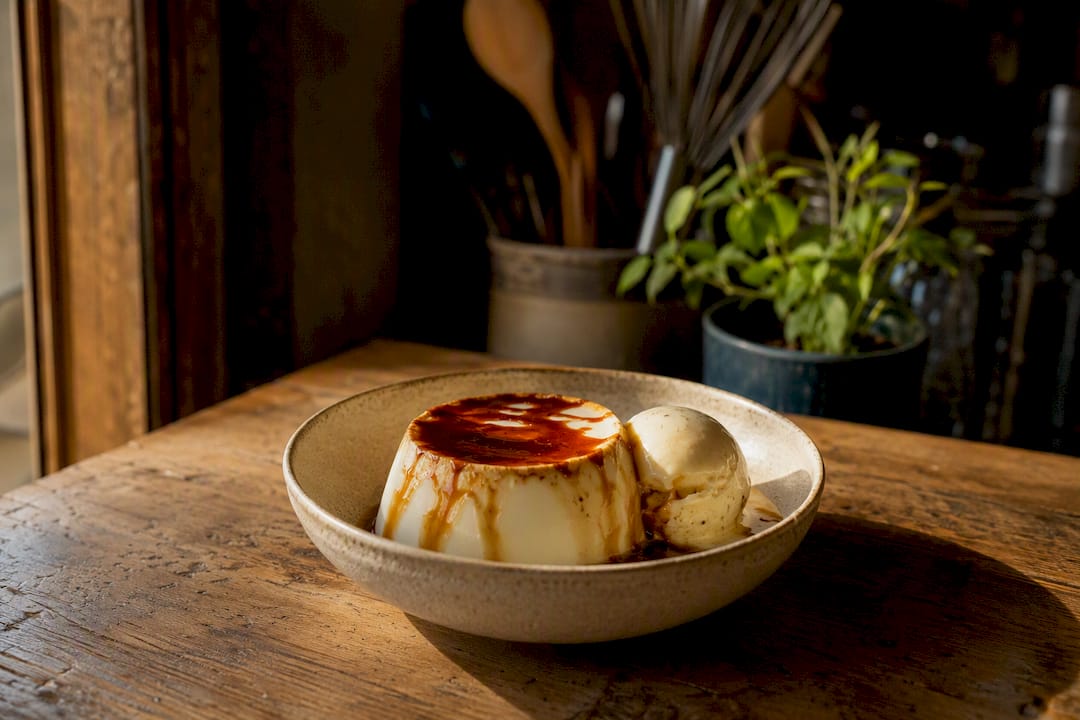
Drizzle caramel or vanilla syrup over panna cotta, swirl it into vanilla ice cream, or use it as the sauce base for a coffee-flavored pudding. These are the uses most home cooks never think to try, even though coffee syrup works as a topping for yogurt and oatmeal just as well as it works as a dessert sauce.
7. Breakfast and pantry hacks
A tablespoon of vanilla or caramel syrup drizzled over pancakes or waffles does the job of maple syrup with a completely different flavor angle. Stir a teaspoon into plain yogurt or hot oatmeal for an easy flavor boost. Beyond breakfast, syrup thinned with a little vinegar makes a passable glaze for roasted pork or chicken, and frozen syrup cubes (ice cube trays, syrup diluted 1:1 with water) keep iced coffee from watering down as they melt.
Flavored Syrup, Coffee Syrup, or Sauce: What’s the Difference?
Not every bottle labeled “syrup” behaves the same way, and mixing up the categories is where a lot of recipes go sideways.
A flavored simple syrup starts as a 1:1 sugar-and-water base, then picks up flavor from an extract, a spice infusion, or a fruit puree. Vanilla, caramel, and hazelnut syrups are almost always built this way. They’re pourable, dissolve instantly in cold liquid, and work in essentially any drink application.
A coffee syrup is a different animal: brewed coffee or espresso reduced with sugar, so the coffee flavor itself is the payload rather than an add-on. It shines in baking, where you want actual coffee character in a cake or tiramisu rather than sweetness alone.
Sauce is thicker than either, cooked down further or built with a starch or dairy component, meant for drizzling rather than dissolving. Use syrup when a recipe calls for something that mixes in completely; use sauce when you want it to sit visibly on top.
Flavor pairing cheat sheet:
- Vanilla → milk-based drinks, pancakes, plain yogurt
- Caramel → lattes, panna cotta, ice cream
- Hazelnut → mochas, chocolate desserts, espresso martinis
- Fruit syrups (raspberry, peach) → iced tea, lemonade, mocktails
- Seasonal (pumpkin, gingerbread) → lattes, glazes, holiday baking
One flavor pairing rule beats most others: match syrup intensity to the drink’s dairy content. Milk-heavy drinks can absorb bolder, sweeter syrups like caramel without turning cloying, while black coffee and lighter roasts show off subtler flavors like vanilla or a light fruit syrup more clearly.
How Much Syrup Should You Use in Hot vs. Cold Drinks?
Dosage is where most home baristas either under-flavor a drink or drown it. The starting point differs slightly by temperature and cup size.
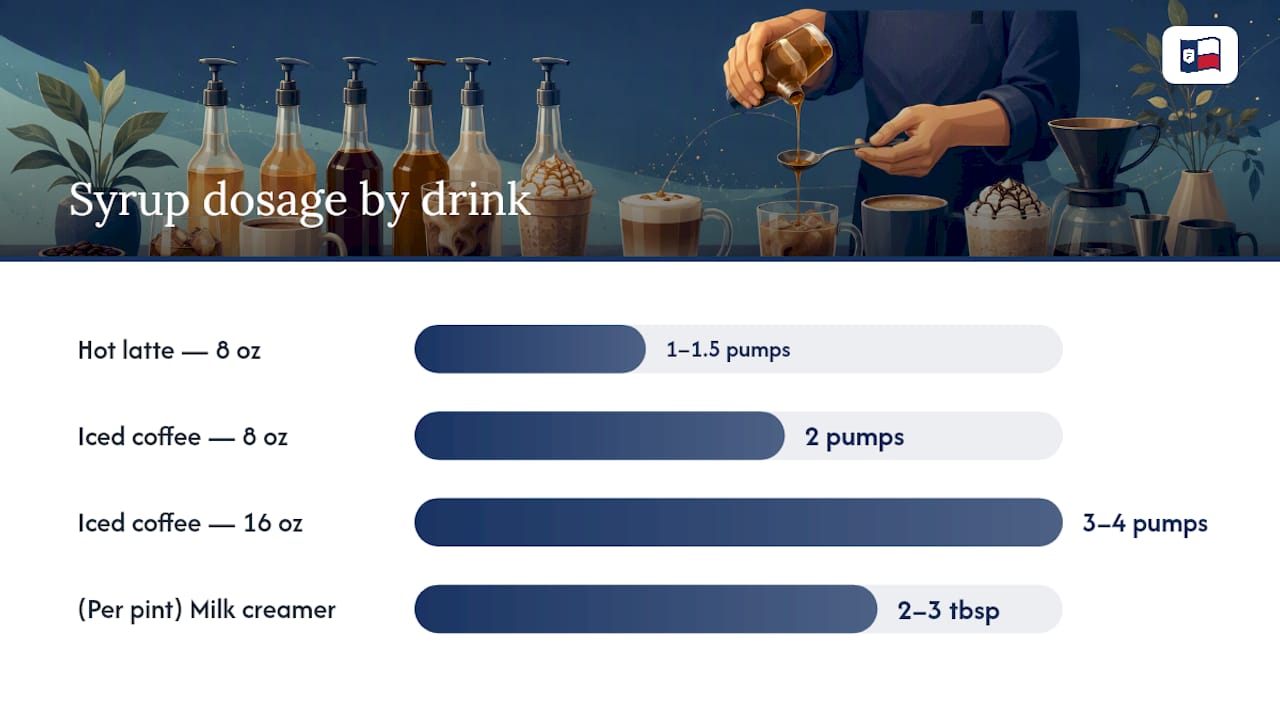
| Drink type | Cup size | Starting dose | Technique |
|---|---|---|---|
| Hot latte/mocha | 8 oz | 1 tsp or 1 pump | Add syrup to cup, then pour espresso, stir |
| Hot latte/mocha | 8 oz | 1.5 tsp or 1.5 pumps | Same order, stir well before adding milk |
| Iced coffee/espresso | 8 oz | 2 pumps | Mix syrup with coffee first, then add milk, then ice |
| Iced coffee/espresso | 16 oz | 3 to 4 pumps | Same order, taste before adding more ice |
| Milk-based creamer | Per pint of milk | 2 to 3 tbsp | Stir until fully dissolved |
Hot drinks dissolve syrup fastest when it hits the cup before the espresso, since the heat and the pour itself do the mixing for you, a trick confirmed by barista dosing guidance on syrup order. Cold drinks need the opposite sequence: syrup and coffee mixed together first, milk next, ice last, so nothing settles unmixed at the bottom of the glass.
Pump volume is not standardized across brands, so a “1 pump” measurement from one bottle might taste stronger or weaker than another. Treat any dosing chart, including this one, as a starting point and taste before adding more.
Pro Tip: Potent fruit syrups (raspberry, cherry) can overpower a drink fast, so start at half the usual dose. Brown sugar and caramel syrups are milder by comparison and often need slightly more than the standard pour to register.
How to Make Homemade Coffee Syrup and Simple Syrup
Homemade syrup costs pennies and takes ten minutes, and the ratios rarely change no matter what flavor you’re building.
- Basic 1:1 simple syrup: equal parts sugar and water, heated just until the sugar dissolves, then cooled. This is the go-to base for drinks because it’s fully pourable and mixes into cold liquid without any grit.
- Rich 2:1 syrup: two parts sugar to one part water, simmered slightly longer. The higher sugar content acts as a natural preservative and gives a thicker texture better suited to baking and cocktail work.
- Coffee syrup: strong brewed coffee or espresso combined with sugar in a roughly 1:1 ratio, simmered briefly until slightly thickened, following the same logic as a classic homemade coffee syrup recipe.
Storage rules matter more than most recipes admit. A 1:1 simple syrup keeps for about 3 to 4 weeks refrigerated in an airtight container, while richer 2:1 versions last noticeably longer thanks to the extra sugar’s preserving effect. Label every jar with the date you made it, keep it refrigerated once opened, and store it away from direct light and heat, which both speed up flavor breakdown.
Six Fast Recipes to Try Tonight
- Vanilla latte: 1 pump vanilla syrup, then espresso, then steamed milk. Stir once.
- Brown-sugar shaken iced espresso: 2 pumps brown-sugar syrup shaken hard with espresso and ice, then finished with a splash of milk.
- Coffee lemonade: cold brew, fresh lemon juice, 1 to 2 tablespoons coffee syrup, topped with sparkling water.
- Tiramisu soak: brush coffee syrup generously over ladyfingers before layering with mascarpone.
- Caramel panna cotta drizzle: warm caramel syrup slightly, then pour over chilled panna cotta just before serving.
- Pancake syrup swap: drizzle vanilla or hazelnut syrup over pancakes instead of maple for a completely different breakfast.
Font’s Sweetbird syrup lineup covers most of these flavor profiles if you’d rather skip the stovetop step entirely.
Where This Checklist Comes From
This guide was compiled by Rosario at Font-mag, drawing on four generations of Texas coffee craftsmanship and a curated syrup collection that includes the globally recognized Sweetbird line. For deeper flavor pairing guidance, see Coffee Shop Syrup Flavors: A Home Barista’s 2026 Guide or Flavored Simple Syrups: Top 10 Recipes to Try.
What Most Syrup Guides Get Wrong
Most syrup advice fixates on coffee shop drinks and ignores everything else a bottle can do. That’s backward. The real value of keeping syrup on hand is versatility: the same bottle that flavors a Tuesday latte also glazes a cake, soaks a tiramisu, and rescues plain yogurt on a boring morning.
The other mistake is treating dosage as fixed. Pump sizes vary by brand, sweetness tolerance varies by person, and a syrup that’s perfect in a 16 ounce iced coffee will taste harsh in an 8 ounce hot latte at the same dose. Start at the low end of any chart, taste, then adjust. Beginners consistently over-pour, and pulling back is always easier than fixing an oversweetened cup.
If there’s one thing worth prioritizing, it’s understanding the difference between a flavored simple syrup and a true coffee syrup before you start baking with either. Grab the wrong one and a tiramisu ends up tasting like vanilla cake instead of coffee.
Stock Your Own Syrup Shelf With Font-mag
Skip the stovetop entirely when you want consistent flavor without the guesswork of homemade batches. Font-mag’s Sweetbird syrup collection covers vanilla, caramel, hazelnut, and seasonal flavors in the exact café-grade formulas built for both hot and cold drinks, backed by four generations of Texas coffee craftsmanship and shipped fast, with free shipping on orders over $35. Pair a bottle with Font’s flavored coffee for a matched flavor profile, or grab Cafiza cleaner to keep your espresso machine free of sticky syrup residue between batches. Browse the syrup collection now and pick your first bottle to try this week.
Frequently Asked Questions
How much coffee syrup should I use per cup? Start with 1 to 2 teaspoons or 1 pump per 8 ounces for hot drinks, and closer to 2 pumps per 8 ounces for iced drinks, then taste and adjust.
Can I use coffee syrup in baking, not just drinks? Yes. Coffee syrup works well as a cake soak, glaze, or tiramisu ingredient, since it delivers real coffee flavor rather than just sweetness.
How long does homemade syrup last? A 1:1 simple syrup lasts about 3 to 4 weeks refrigerated in an airtight container; richer 2:1 versions last longer.
What’s the difference between simple syrup and coffee syrup? Simple syrup is sugar and water with added flavoring, while coffee syrup is brewed coffee reduced with sugar, making coffee itself the primary flavor.
Can I add coffee syrup to non-coffee drinks? Yes. It flavors iced tea, lemonade, sparkling water, and even cocktails, well beyond straight coffee applications.
Sources
- What to do with coffee syrup besides coffee
- How to store simple syrup
- Coffee syrup
- How to use syrups in coffee: tips for enhancing flavor and customizing your brew