
A Pesticide Free Coffee Checklist That Actually Works
To buy pesticide-free coffee with confidence, look for USDA Organic or Rainforest Alliance certification, a published Certificate of Analysis (COA) covering pesticide residues and mycotoxins, traceable farm or lot information, and Swiss Water Process or CO2 decaffeination if you drink decaf. Then verify it. Certification alone isn’t proof: the Clean Label Project’s coffee study found that all organic coffees it tested contained AMPA, a breakdown product of glyphosate. That doesn’t mean organic coffee is a scam. It means the label tells you how the coffee was farmed, not what actually made it into your cup.
Here’s the fast version to screen a bag or product page in under a minute:
- Certification logo present (USDA Organic, Rainforest Alliance, or Bird Friendly)
- Roaster publishes a lab COA with detection limits and lot numbers
- Farm, cooperative, or origin lot is named, not just “single-origin”
- Decaf labeled Swiss Water or CO2, not solvent-based
- Packaging isn’t a plastic-lined bag lacking a roast date
- Roast date within a few weeks, whole bean preferred
Quick verdict: if you drink coffee daily, are pregnant, or are immune-compromised, don’t stop at “organic.” Ask for the batch COA. If you drink coffee occasionally and buy from a roaster who publishes traceability info, certification alone is a reasonable bar.
Key Takeaways
A pesticide-free coffee checklist works only when certification claims are paired with lot-specific lab testing, since organic labeling alone doesn’t guarantee residue-free beans.
| Point | Details |
|---|---|
| Certification isn’t proof | USDA Organic confirms farming practice, not batch-level residue absence, per the Clean Label Project’s AMPA findings. |
| Demand a COA | Ask for a lot-matched Certificate of Analysis covering both pesticide and mycotoxin panels before buying in bulk. |
| Pick solvent-free decaf | Choose Swiss Water Process or CO2 decaffeination over methylene chloride or ethyl acetate methods. |
| Mold risk needs its own check | Ask about drying and storage conditions separately from pesticide questions; they’re different risks. |
| Equipment matters too | Swap plastic reservoirs and pods for glass, ceramic, or stainless brewers to avoid a second contamination pathway. |
| Font Coffee Roasters vets by lot | Font Coffee Roasters requires traceability and batch COAs before stocking a lot, including on decaf like Downshift Decaf. |
Table of Contents
- What Does a Pesticide Free Coffee Checklist Actually Screen For?
- The Complete Pesticide-Free Coffee Checklist, Item by Item
- How Do You Verify a Coffee Seller’s Claims?
- Which Decaf Process Should You Actually Choose?
- Mold and Mycotoxins Aren’t the Same Risk as Pesticides
- Your Brewer Might Be Adding Contamination You Didn’t Buy
- What Does Verified Coffee Actually Cost?
- How Font Coffee Roasters Vets Every Lot We Stock
- Why We Built the Checklist Instead of Just Trusting the Label
- Ready to Buy Coffee That Passes Every Item on This Checklist?
- Where to Learn More Before You Buy
- Sources
What Does a Pesticide Free Coffee Checklist Actually Screen For?
Pesticide residue in coffee isn’t a fringe worry. Research cited in reviews of conventional roasted coffee has found detectable residues in 30 to 40% of some sample sets, and roasting doesn’t erase the problem evenly. Some pesticides break down 50 to 80% under roasting heat; others are heat-stable and survive largely intact. That’s the gap a pesticide-free coffee checklist is built to close: you can’t assume the roast fixed what the farm sprayed.
Three separate contamination pathways matter here, and they rarely get discussed together:
- Farm-level pesticide application, which organic certification restricts but doesn’t eliminate from surrounding drift or soil carryover.
- Decaffeination solvents, where methylene chloride can legally remain in decaf coffee at up to 10 ppm under FDA rules, even though most commercial decaf tests well below that.
- Storage mold and mycotoxins, an entirely different risk driven by humidity and drying practices rather than farming chemicals.
None of these show up on a bag’s front label. That’s the core reason lab testing matters more than most shoppers assume: certification tells you about the process, a COA tells you about the actual batch you’re about to drink.
The Complete Pesticide-Free Coffee Checklist, Item by Item
This is the version worth printing or screenshotting. Break it into six categories, and treat each as a pass/fail question rather than a vague impression.
Certification and labels
Look for USDA Organic, Rainforest Alliance, or Bird Friendly (Smithsonian) seals, and understand what each one actually verifies. USDA Organic requires no prohibited synthetic substances on the land for three years before harvest. It’s a farming-practice standard, not a batch-by-batch residue test. Rainforest Alliance focuses more on environmental and labor standards, with pesticide restrictions folded in. Bird Friendly, run by the Smithsonian Migratory Bird Center, requires shade-grown canopy cover, which tends to reduce pest pressure and therefore chemical reliance, on top of organic certification as a baseline. You can read more on what Bird Friendly certification actually requires if you want the full standard.
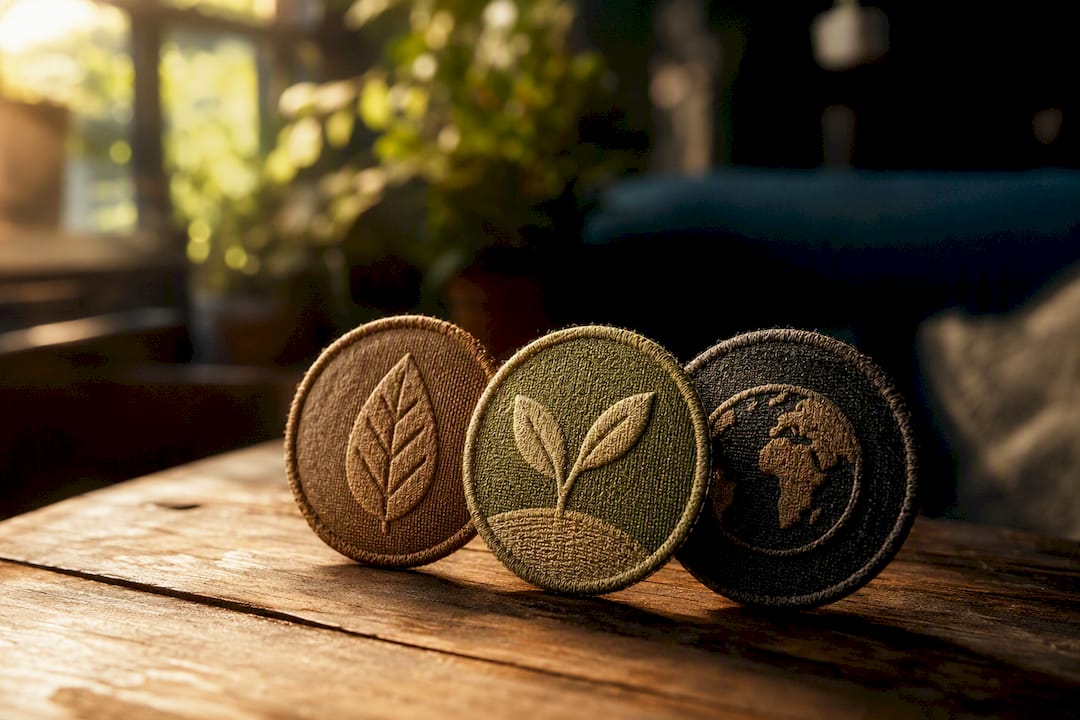
None of these three certifications test the actual beans in your bag for residues. They certify the farm and its practices.
Traceability
A roaster who can name the farm, cooperative, or specific lot is telling you something concrete: they know their supply chain well enough to trace it. Vague terms like “sustainably sourced” or “single-origin” without a named region, farm, or co-op are marketing phrases, not traceability. Our guide to reading coffee origin labels breaks down what a real origin claim looks like versus a decorative one.
Third-party lab testing
This is the step most shoppers skip, and it’s the one that actually closes the gap the Clean Label Project study exposed. Ask whether the roaster has a COA for the specific lot you’re buying, covering both a pesticide panel and a mycotoxin panel (ochratoxin A specifically). A roaster who can produce this on request, or better, publishes it, is operating at a different level of transparency than one who just points at a certification logo.
Processing method
Washed and natural processing affect flavor more than contamination risk directly, but they matter for one reason: natural (dry) processing leaves the fruit on the bean longer, which raises mold and mycotoxin exposure if drying conditions aren’t tightly controlled. Ask how the coffee was processed and dried, not just whether it’s “natural” or “washed.”
Decaf method
If you’re buying decaf, the processing method is arguably more important than the origin. Swiss Water Process and supercritical CO2 decaffeination use no chemical solvents at all. Ethyl acetate and methylene chloride do. More on this in the decaf section below, but the short version: ask, and don’t accept a bag that doesn’t say.
Packaging and roast date
Plastic-lined foil bags are the industry standard, and they’re not inherently dangerous, but a fresher roast date reduces the window for storage mold to develop, and whole bean coffee resists oxidation and contamination better than pre-ground. Our piece on signs of fresh roasted coffee covers what a genuinely fresh roast date should look like versus a printed “best by” date that tells you nothing.
A copy-paste email template for roasters
If a roaster’s website doesn’t list this information, email them. Here’s language you can copy directly:
Subject: Question about lot traceability and testing
Hi, I’m interested in [product name] and wanted to ask a few questions before buying. Could you tell me: (1) the farm or cooperative name and harvest year for this lot, (2) whether you have a current COA covering pesticide residue and mycotoxin screening for this batch, and (3) if this is a decaf, which decaffeination method was used? Happy to buy once I have this info. Thanks.
Most specialty roasters will answer this within a day or two. If a roaster won’t answer at all, or responds with vague reassurance instead of specifics, treat that as a signal.
What to ask, why it matters, and what a good answer sounds like
| Question | Why it matters | Acceptable answer |
|---|---|---|
| What certification does this lot carry? | Confirms farming-practice standard, not residue level | “USDA Organic” or “Rainforest Alliance,” named specifically |
| Can you share a COA for this batch? | Only direct proof of actual residue and mycotoxin levels | A dated lab report with lot number, analytes, and detection limits |
| What farm or cooperative is this from? | Establishes traceability and accountability | A named farm, region, or co-op, not just a country |
| Which decaf method was used? | Determines solvent-residue exposure | “Swiss Water” or “CO2,” stated plainly |
| How was this lot processed and dried? | Flags mold/mycotoxin risk from drying conditions | Specific method described, with drying duration if asked |
Pro Tip: When you get a COA, skip straight to the “detection limit” column before reading the results. A report showing “not detected” against a detection limit of 50 ppb is a much weaker claim than one showing “not detected” at 1 ppb. Vague labels like “chemical-free” or “all-natural” carry zero legal definition in coffee, so treat them as decoration, not evidence.
How Do You Verify a Coffee Seller’s Claims?
If your household drinks coffee daily, or someone in it is immune-compromised or pregnant, the rule is simple: demand a COA for pesticide residue and mycotoxin screening before you commit to a subscription. Casual drinkers can lean more heavily on certification and roaster reputation, but the verification steps below apply either way.
A real COA should show you several specific things. Look for the actual analytes tested (not just “pesticides screened” as a blanket phrase), the reporting units, usually parts per billion (ppb) or parts per million (ppm), the lab’s accreditation body, and a lot or batch number that matches what’s printed on your bag. If the lot number on the COA doesn’t match your bag’s roast date or batch code, the document is meaningless to you specifically, even if it’s real.
Trust signals worth stacking together rather than relying on individually:
- A USDA Organic logo paired with visible farm transition history
- A COA link on the product page, not just “available on request”
- A named origin, farm, or cooperative rather than a generic country label
- Roaster notes that read like actual sourcing knowledge, not templated marketing copy
Run the verification in this order:
- Confirm certification. Check the logo and cross-reference it against the certifying body’s public directory if you’re unsure it’s legitimate.
- Ask for the COA. Email or check the product page for a lot-specific lab report.
- Match lot and roast date. The batch number on the COA should correspond to what’s printed on your actual bag.
- Check results against detection limits. “Not detected” only means something relative to how sensitive the test was.
Skipping step four is the most common mistake. A vague “passed testing” claim without numbers attached tells you almost nothing.
Which Decaf Process Should You Actually Choose?
Prefer Swiss Water Process or supercritical CO2 decaffeination over solvent-based methods. Both remove caffeine without introducing a chemical solvent into the bean, which eliminates the residue question entirely rather than managing it down to an acceptable level.
The solvent-based alternatives work differently. Methylene chloride (dichloromethane) dissolves caffeine directly and is the FDA’s most regulated decaf solvent, allowed at up to 10 ppm residual in the finished product. Most commercial decaf actually tests well under 1 ppm after roasting drives off the remaining solvent, but “usually low” isn’t the same guarantee as “solvent-free.” Ethyl acetate, sometimes marketed as the “natural process” because it occurs in fruit, sits somewhere in between: it’s a real solvent, just one with a milder regulatory profile than methylene chloride.
Your decision rule, in order of preference:
- Swiss Water Process or CO2 decaffeination — no solvent involved, the cleanest option available
- Ethyl acetate — a genuine solvent, lower regulatory concern than methylene chloride, but still worth asking about
- Methylene chloride — allowed and generally low-residue after roasting, but the one to actively avoid if you have a choice
Pro Tip: Ask specifically for decaf process confirmation in writing, and request a lot-specific COA for that decaf batch if you drink it daily. Roasters proud of using Swiss Water or CO2 will say so on the bag without you having to ask. That’s usually a good sign about their transparency generally.
Mold and Mycotoxins Aren’t the Same Risk as Pesticides
Pesticide residue comes from what was sprayed on the farm; mycotoxins come from mold growth after harvest, usually during drying, storage, or shipping in humid conditions. They require different checks, and a coffee can pass one test while failing the other entirely.
| Risk factor | Pesticide residue | Mold / mycotoxins |
|---|---|---|
| Origin | Applied during cultivation | Develops post-harvest, during drying or storage |
| Main contaminants | Synthetic pesticide compounds and breakdown products like AMPA | Ochratoxin A and related fungal toxins |
| Persistence | Partially reduced by roasting, heat-stable compounds can remain | Toxin can survive roasting once formed |
| Relevant test | Pesticide residue panel | Mycotoxin panel, specifically ochratoxin A |
| Buyer action | Check certification plus COA pesticide panel | Ask about drying method, storage conditions, and mycotoxin COA |
A dry storage checklist worth running through before you buy in bulk:
- Ask how the lot was dried and for how long
- Avoid buying large quantities of coffee shipped through humid transit routes without climate control mentioned
- Check that roast and packing dates are close together, not months apart
- Favor sellers who can describe their drying process specifically, not vaguely
USDA Organic certification reduces synthetic pesticide exposure, but it says nothing about mold risk. If both concerns matter to you, and for a daily drinker they should, batch-level testing that covers both panels is the only way to actually confirm either one.
Your Brewer Might Be Adding Contamination You Didn’t Buy
Clean beans don’t guarantee a clean cup. Where hot water touches plastic, you introduce a second contamination pathway that has nothing to do with farming or processing. Prefer glass, ceramic, or high-grade stainless steel anywhere in the brew path.
Components worth swapping out, and what to replace them with:
- Plastic water reservoirs and internal tubing in drip machines: swap for a stainless French press or a pour-over setup like a Chemex
- Single-use pods and K-cups: linked to measurable microplastic release under heat and pressure; reusable stainless capsules avoid this entirely
- Plastic-lined storage bags left open on the counter: transfer beans to an airtight glass or stainless canister after opening
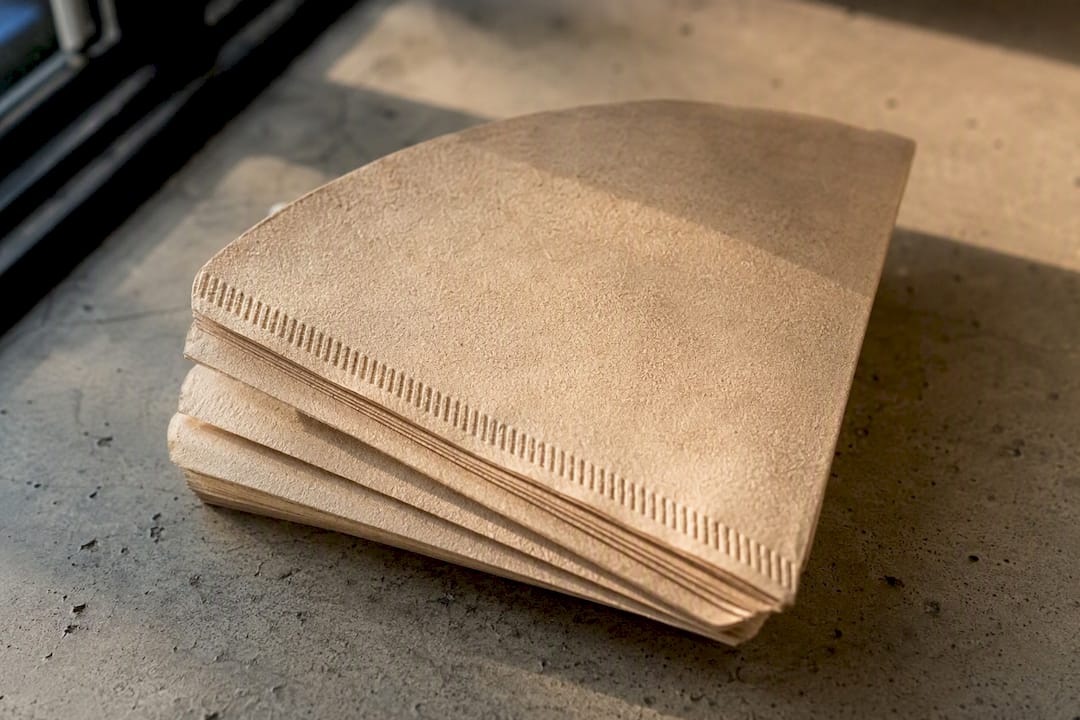
- Paper filters treated with unknown bleaching processes: look for unbleached filters or brands that explicitly state a PFAS-free process
Serious Eats’ testing of non-toxic coffee makers found that mainstream electric drip machines still rely heavily on plastic reservoirs and tubing, while manual brewers built around glass and metal minimize contact almost entirely.
Pro Tip: Unbleached paper filters look brown and rustic, but that’s not automatic proof they’re PFAS-free. Some manufacturers still treat filters for grease resistance. If you’re buying paper filters specifically to avoid PFAS, look for a brand that states it outright rather than assuming the natural-looking ones are safer by default.
An equipment checklist for anyone evaluating a new brewer or espresso machine: check the material spec sheet for the water tank, confirm whether the brew head or portafilter is metal or plastic, and ask whether internal tubing is food-grade silicone or a lower-grade plastic before buying anything above entry-level price.
What Does Verified Coffee Actually Cost?
Expect to pay a modest premium for coffee that’s organic, traceable, and batch-tested, and understand why: testing costs money per batch, traceability requires the roaster to maintain direct relationships rather than buying commodity lots, and shade-grown, lower-yield farming practices that reduce pesticide reliance also reduce how much coffee a farm produces per acre.
Where to actually find it:
- Specialty roasters who publish traceability and testing information directly on product pages
- Direct-trade cooperatives that sell through their own online storefronts
- Farmer co-ops that bundle testing costs across members to lower per-bag price
- Select online specialty retailers, including Font Coffee Roasters’ specialty offerings
If you drink coffee daily, a subscription on whole beans tends to lower your per-cup cost versus one-off bag purchases, and buying wholesale if you run a café or office setup spreads the testing premium across more cups.
One thing worth remembering here: a high price tag on a single-origin bag doesn’t automatically mean it’s organic or tested. Premium pricing often reflects flavor profile and rarity, not contamination screening. Run the checklist regardless of what the price suggests.
How Font Coffee Roasters Vets Every Lot We Stock
Our vetting approach starts from one rule: traceability plus batch testing plus preferred processing methods, in that order, before a lot earns a place in our lineup.
What that looks like in practice:
- Farm or cooperative traceability confirmed for every lot before purchase
- Published COAs covering both pesticide and mycotoxin screening requested from suppliers
- Preference for Swiss Water Process or CO2 decaf across our decaf lineup, including our Downshift Decaf
- Packaging and roast cadence chosen to minimize the storage window between roast and shipment
You can see this applied directly in our wholesale decaf offering for café buyers who need consistent, tested supply at volume, alongside our broader specialty offerings. For more on how we evaluate roaster relationships generally, our guide to supporting local roasters covers the same traceability standard applied to smaller-batch partners.
Why We Built the Checklist Instead of Just Trusting the Label
I’ve watched too many shoppers treat “organic” as the finish line rather than the starting point, and the Clean Label Project’s finding on AMPA is exactly why that instinct falls short. Certification tells you about farming intent. It doesn’t tell you what’s actually in your specific bag, and that gap is where daily drinkers and families with young kids or immune-compromised members take on risk they didn’t sign up for.
Four generations of craftsmanship taught our roasters one thing above all: a relationship with a farm you can name beats a logo you can’t verify. That’s the standard we hold every lot to, coffee or otherwise. Our matcha and syrup lines get the same scrutiny on sourcing and ingredient transparency, so if this checklist resonates, it’s worth applying the same questions to everything else in your cup.
Ready to Buy Coffee That Passes Every Item on This Checklist?
Font Coffee Roasters has already run this checklist against our own lineup, so you don’t have to start from zero. Our specialty offerings are selected with traceability and batch testing as non-negotiable filters, not marketing afterthoughts, and our decaf lots specifically favor Swiss Water and CO2 processing over solvent methods.
If you run a café or buy in volume, our wholesale coffee line gives you the same vetting standard at scale, without hunting down a new supplier every quarter. And if pesticide-free brewing matters to you beyond the cup, our clean-ingredient approach extends to matcha and syrups too, so your whole beverage program can meet the same bar.
Want a COA for a specific lot before you buy? Use the email template from earlier in this guide and send it straight to our customer service team. We’ll get you the batch documentation, and if you’re ordering for a café, we can talk wholesale pricing on tested lots in the same conversation. Start by browsing our specialty offerings and find the lot that fits your cup.
Where to Learn More Before You Buy
The Clean Label Project’s coffee study is the strongest evidence for why batch testing matters even on certified organic coffee. Perfect Daily Grind’s organic buying guide explains what USDA Organic certification actually requires from farms. The FDA’s contaminant guidance gives regulatory context for how residue limits and detection thresholds get set. Plastic Detox’s coffee guide covers decaf solvent risks and plastic exposure in depth, and Serious Eats’ non-toxic coffee maker testing is the best resource for choosing brewing equipment that avoids plastic contact. For sustainability context beyond pesticides, Third Space Coffee’s sustainable coffee guide rounds out the supply-chain picture.
Sources
- 100% of Organic Coffees Tested Contained AMPA, Despite …
- Plastic Free Coffee Guide: Beans & Brewers (2026) | Plastic Detox
- Acrylamide | FDA
Recommended
- What Is Bird Friendly Coffee? Benefits and Buying Guide – Font Coffee Roasters
- Supporting Local Roasters Checklist for Coffee Lovers – Font Coffee Roasters
- How to Read Coffee Origin Sourcing Labels: A Buyer’s Checklist – Font Coffee Roasters
- Top 5 Clean Ingredient Coffee Syrup Alternatives 2026 – Font Coffee Roasters