
Every Type of Caffeinated Drink, Ranked by Caffeine
Caffeinated beverages span nine major categories: coffee, tea, energy drinks, sodas, chocolate-based drinks, yerba mate, caffeinated waters, pre-workout supplements, and certain medicines. They range from roughly 10 mg per serving (a square of dark chocolate) to well over 300 mg in a large cold brew or concentrated energy shot. For most healthy adults, up to about 400 mg per day appears safe, but that number drops sharply for pregnant people, adolescents, and anyone with cardiovascular conditions or caffeine-sensitive medications. Consult your clinician if any of those apply to you.
The scale of the market alone makes label-reading worth the effort. An IAFNS survey of over 59,000 respondents found that about 69% of U.S. adults consume at least one caffeinated beverage daily, and the marketplace now spans roughly 970 distinct brands across formats. Coffee accounts for the largest share of caffeine intake, but tea, energy drinks, and specialty sodas are all growing categories.
The main types of caffeinated drinks covered here, from highest to lowest typical caffeine per serving:
- Pre-workout supplements and energy shots (100–300+ mg)
- Cold brew coffee (150–250 mg per 12 oz)
- Brewed coffee and espresso (80–150 mg per typical serving)
- Yerba mate (65–130 mg per 8 oz)
- Energy drinks (80–160 mg per can)
- Black tea (40–70 mg per 8 oz)
- Green tea and matcha (25–70 mg per 8 oz)
- Sodas and colas (20–55 mg per 12 oz)
- Hot chocolate and cocoa (5–25 mg per 8 oz)
- Caffeinated water (50–125 mg per bottle)
- Medicines with caffeine (65–200 mg per dose)
Key Takeaways
The most practical thing you can do today is log one full day of caffeinated drinks in mg and compare it to the 400 mg/day ceiling for healthy adults.
| Point | Details |
|---|---|
| Nine main categories | Coffee, tea, energy drinks, sodas, chocolate, yerba mate, caffeinated water, pre-workout, and medicines cover the full range. |
| Safe daily limit | Up to ~400 mg/day appears safe for most healthy adults; pregnant people and adolescents need lower limits. |
| Biggest variability factors | Brew method, serving size, and added stimulants (guarana, taurine) shift actual caffeine far from label averages. |
| Highest-risk formats | Energy shots, pre-workout supplements, and large cold brew servings regularly exceed 200 mg per serving. |
| Font-mag options | Font-mag’s decaf, iced tea, and matcha selections give you lower-caffeine alternatives without sacrificing quality. |
Table of Contents
- How much caffeine is in each type of caffeinated drink?
- What actually changes the caffeine in your drink?
- Who should watch their caffeine intake, and how much is too much?
- Which drinks deliver the most caffeine?
- How to choose the right caffeinated drink and cut back when needed
- Font-mag’s specialty options for every caffeine preference
- The part of the caffeine conversation most people skip
- Where to find specialty caffeinated beverages worth drinking
- Sources
How much caffeine is in each type of caffeinated drink?
The table below uses Mayo Clinic’s reference values as the baseline, supplemented with ranges from EatingWell’s ranked compilation and MDPI’s comprehensive review. Ranges are wide because brewing method, serving size, and brand formulation all shift the final number significantly.
Ranges are wide by design. A 12-oz cold brew from a specialty café can hit 300 mg; a grocery-store bottled cold brew might land at 150 mg. Bottled RTD teas vary even more because some are lightly brewed while others have caffeine added post-production.
Pro Tip: When a product label doesn’t list total caffeine in mg, check the manufacturer’s website directly or use the USDA FoodData Central database. For café drinks, ask the barista for the number of espresso shots or the brew ratio — that’s usually enough to estimate. With roughly 970 brands on the market, generic database averages can miss the mark by a wide margin.
For a direct coffee vs. tea caffeine comparison, Font-mag’s breakdown covers the most common formats in detail.
What actually changes the caffeine in your drink?
Two cups of “coffee” can deliver 70 mg or 200 mg depending on how they were made. The same is true across almost every caffeinated category. Here’s what drives the variation:
Bean and leaf variety. Robusta coffee beans contain roughly twice the caffeine of Arabica. Among teas, older leaves and certain cultivars carry more caffeine than younger, tender leaves.
Roast and processing. Lighter roasts retain slightly more caffeine by weight than dark roasts, though the difference per cup is small. Processing method matters more for tea: oxidized black tea releases caffeine faster than unoxidized green tea during steeping.
Grind size and extraction. A finer grind exposes more surface area, pulling more caffeine into the water. This is one reason espresso is so concentrated per ounce, even though the total mg per shot is lower than a full mug of drip coffee. A PMC review comparing espresso and brewed coffee confirms that concentration (mg per oz) and total caffeine per serving move in opposite directions depending on brew method.
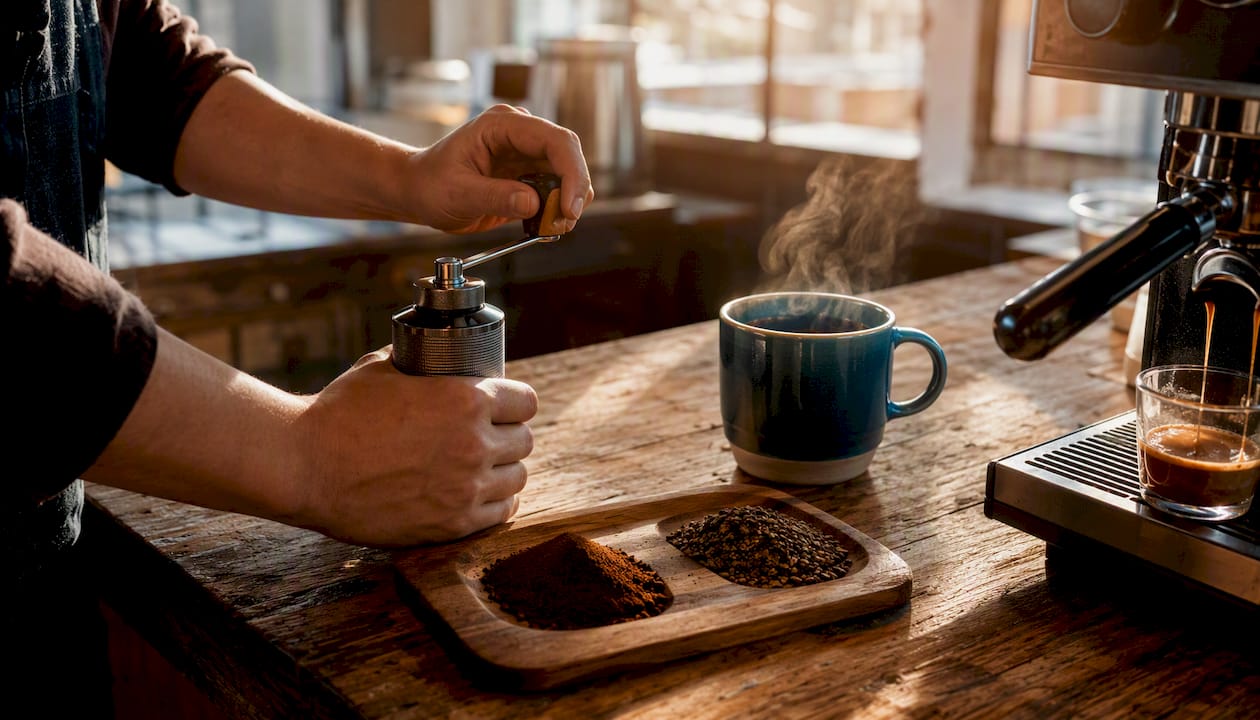
Brew method and steep time. Cold brew steeps for 12–24 hours, which extracts far more caffeine than a 4-minute drip cycle even at lower temperatures. Steep your black tea for 5 minutes instead of 2 and you’ll pull noticeably more caffeine from the same leaves.
Serving size and dilution. A 20-oz drip coffee contains more total caffeine than a 1-oz espresso shot, even though the shot is more concentrated. Adding milk, water, or ice dilutes caffeine per sip but not total caffeine per drink.
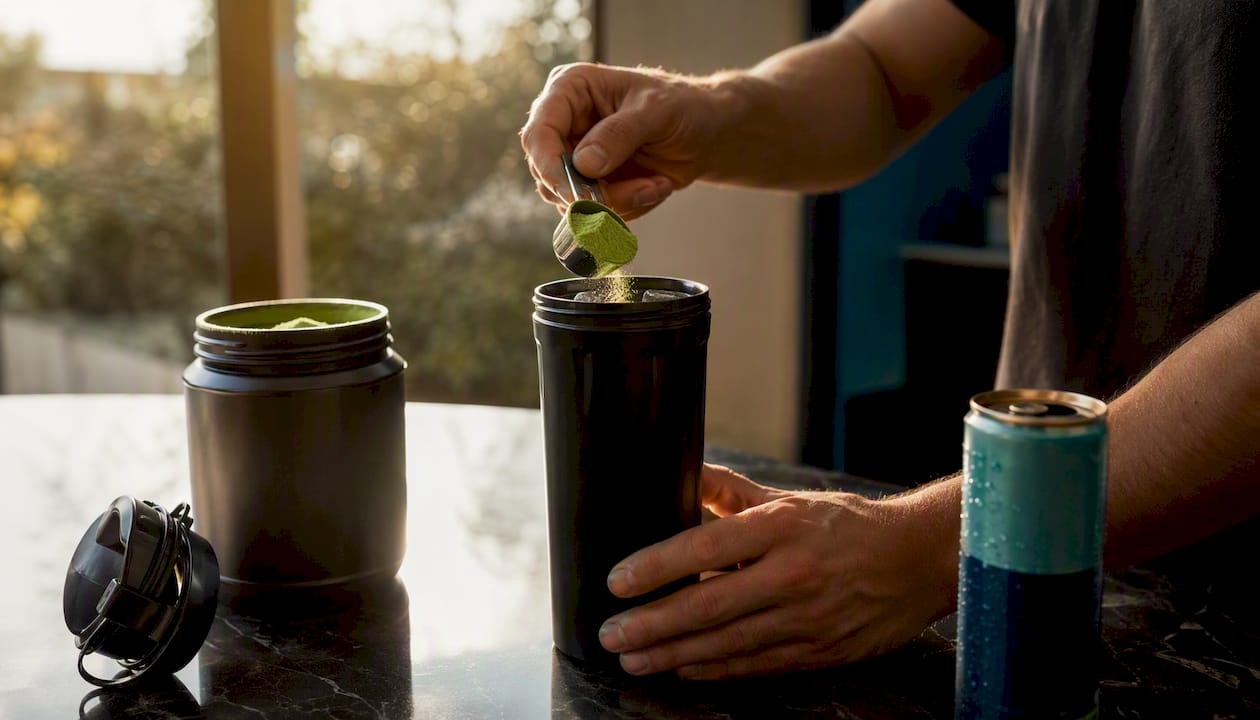
Added caffeine and botanical stimulants. Many energy drinks and pre-workout products add caffeine directly, plus guarana (which contains its own caffeine) and other stimulants. Research on energy drink additives shows that taurine and guarana can amplify the physiological effect beyond what the caffeine mg alone would predict.
Labeling gaps. The FDA does not require manufacturers to disclose total caffeine content on labels unless caffeine is an added ingredient. Naturally caffeinated drinks like brewed coffee and tea carry no mandatory mg disclosure at all. For understanding brewing terminology that affects caffeine output, a solid glossary goes a long way.
Who should watch their caffeine intake, and how much is too much?
The 400 mg/day figure is the most widely cited safe ceiling for healthy adults, backed by clinical review literature. That’s roughly four 8-oz cups of brewed coffee. But that ceiling isn’t universal, and calling caffeine simply “good” or “bad” misses the point entirely. Its health impact depends on dose, genetics, age, medical conditions, and what else you’re taking.
Groups that need lower limits or medical guidance:
- Pregnant and breastfeeding people. Most clinical guidelines recommend staying under 200 mg/day during pregnancy. Systematic reviews consistently flag caffeine as a variable requiring closer oversight during pregnancy due to fetal metabolism differences.
- Children and adolescents. No established safe daily limit exists for children. Adolescents are increasingly consuming energy drinks, which raises concern given their developing cardiovascular and neurological systems.
- People with cardiovascular conditions. Arrhythmias, hypertension, and certain heart conditions can be worsened by caffeine. Even moderate intake may require a lower personal ceiling.
- Anxiety disorder sufferers. Caffeine is a stimulant that can trigger or worsen anxiety symptoms, particularly at higher doses.
- People on certain medications. Caffeine interacts with stimulant medications, some antibiotics (notably fluoroquinolones slow caffeine metabolism), and several psychiatric drugs. Check with your pharmacist or physician if you take any prescription medication regularly.
The MDPI review on caffeinated beverages and human health reinforces that dose-dependent effects are real and that youth consumption of energy drinks deserves particular attention. None of this is a reason to avoid caffeine entirely if you’re healthy, but it is a reason to know your numbers.
Which drinks deliver the most caffeine?
If you’re tracking intake or trying to avoid an accidental overdose, these are the categories to watch most closely:
- Energy shots (e.g., 2-oz formats): 100–200+ mg in a single small bottle. Easy to underestimate because the serving looks tiny.
- Pre-workout supplements: 100–350 mg per scoop, often combined with additional stimulants like beta-alanine and synephrine. The total stimulant load can exceed what the caffeine number alone suggests.
- Large cold brew servings: A 16-oz or 20-oz cold brew from a specialty café can deliver 200–300 mg, especially if it’s served as concentrate without dilution.
- Multi-shot espresso drinks: A triple-shot latte contains roughly 190–225 mg. Starbucks’ Grande (16 oz) typically uses two shots; a Venti (20 oz) uses three, putting it near or above 200 mg.
- Certain energy drink formulations: Standard 16-oz cans from popular brands like Monster or Red Bull’s larger formats can reach 160 mg or more. Some specialty energy drinks marketed for gaming or extreme sports push higher.
- Powdered caffeine supplements: Sold in bulk, these are extremely high-risk. The FDA has warned that a single teaspoon of pure powdered caffeine can contain the equivalent of 28 cups of coffee.
Research on energy drink additives specifically notes that taurine and guarana, common in products like Monster and Dunkin’ energy drinks, can heighten the stimulant effect beyond what the caffeine mg figure implies. A 160 mg energy drink with guarana may feel stronger than a 160 mg cup of black coffee.
How to choose the right caffeinated drink and cut back when needed
Before you order or buy, four quick questions cut through most of the confusion:
- How large is the serving, and is it concentrate or ready-to-drink?
- Does the label list total caffeine in mg, or do you need to look it up?
- Does it contain added stimulants (guarana, taurine, synephrine) beyond caffeine?
- What time is it? Caffeine has a half-life of roughly 5–6 hours, so a 3 PM drink can still affect sleep at 9 PM.
Practical ways to reduce intake without quitting cold turkey:
- Switch to a smaller serving size first. A 12-oz coffee instead of 20 oz cuts caffeine by roughly a third with no other change.
- Dilute cold brew with water or milk. Cold brew is often sold as concentrate; adding equal parts water halves the caffeine immediately.
- Swap one daily coffee for green tea or matcha. Both deliver 25–70 mg alongside L-theanine, which tends to smooth out the jitteriness that straight caffeine can cause. For flavor pairing ideas that make the switch more enjoyable, the coffee and tea pairing guide is worth a look.
- Choose decaf for your afternoon cup. Modern Swiss Water Process decaf retains almost all the flavor with less than 5 mg per serving.
- Track for three days. Write down every caffeinated drink, its approximate mg, and the time you drank it. Most people are surprised by their actual total.
A simple three-week reduction plan:
- Week 1: Identify your current daily total in mg. Replace one serving per day with a lower-caffeine option (green tea, half-caf, or a smaller size).
- Week 2: Push your last caffeinated drink of the day two hours earlier than your current cutoff. This alone improves sleep quality for many people without reducing total intake.
- Week 3: If your total still exceeds 400 mg, replace one more serving with decaf or an herbal option. Hold that pattern for two weeks before making another change.
Gradual reduction avoids the withdrawal headaches that come with abrupt cuts. Caffeine withdrawal is a recognized clinical syndrome, and even dropping 100 mg/day too quickly can trigger 1–2 days of headaches and fatigue.
Font-mag’s specialty options for every caffeine preference
Font-mag carries a curated range of products that map directly to the choices discussed throughout this article, whether you’re looking to maximize quality, moderate intake, or find something beyond standard coffee.
- Decaf coffee: The Downshift Decaf (medium roast, Colombia) and a wholesale decaf 5 lb bag for café operators who want a lower-caffeine option on the menu without sacrificing cup quality.
- Retail coffee: Small-batch roasts including the Broken Arrow Reserve, available in sizes that let you control serving strength.
- Iced teas: MAG Tea’s loose-leaf selections and bulk iced tea formats, including the MAG Tropical Black Iced Tea, for a naturally lower-caffeine alternative with real flavor.
- Matcha: Japanese matcha sourced for both home preparation and café service, delivering the L-theanine plus moderate caffeine combination that many people find smoother than coffee.
- Sweetbird syrups and café essentials: The Sweetbird collection covers everything from flavored syrups to frappe bases, letting you build lower-caffeine blended drinks without relying on espresso as the base.
- Flavored coffee: For readers who want the coffee experience with a lighter roast profile and more nuanced flavor.
Font-mag ships to customers across the United States with free shipping on orders over $35, and the catalog serves both home enthusiasts and commercial café buyers.
Pro Tip: Café operators sourcing decaf for a full-service menu should check the wholesale decaf option. Buying in 5 lb bags keeps cost per serving low while maintaining the specialty-grade quality that customers notice.
The part of the caffeine conversation most people skip
The 400 mg/day guideline gets repeated so often it has started to feel like a permission slip rather than a ceiling. Here’s what actually deserves more attention: the source of your caffeine matters as much as the amount.
A 300 mg day built on two cups of quality brewed coffee and a cup of matcha looks very different physiologically than a 300 mg day built on two energy shots and a large soda. The coffee and matcha deliver caffeine alongside L-theanine, antioxidants, and a slower absorption curve. The energy shots deliver caffeine plus taurine, B vitamins, and sometimes guarana, which the PMC research on energy drink additives links to amplified stimulant effects beyond the caffeine number alone. The soda adds a significant sugar load on top.
Tracking milligrams is useful. But tracking what kind of caffeinated drink you’re consuming, and what comes with the caffeine, is the more honest version of managing your intake. A specialty tea or a well-sourced single-origin coffee gives you something an energy shot simply doesn’t: a drink worth slowing down for. That’s not a marketing claim. It’s a different relationship with the beverage entirely.
The practical suggestion: for three days, log not just the mg but the drink type and how you felt two hours later. Most people find a pattern. The drinks that leave them jittery or crashing are almost never the ones they’d describe as their favorites.
Where to find specialty caffeinated beverages worth drinking
Font-mag stocks the full range of specialty caffeinated beverages discussed in this article, from small-batch single-origin roasts to premium loose-leaf teas and Japanese matcha, all available for home delivery or commercial café supply across the United States.
For readers coming from this article specifically, the highest-value starting points are the decaf coffee collection (for reduction-minded shoppers), the iced tea collection (for lower-caffeine alternatives with genuine flavor), and the retail coffee range for anyone who wants to control serving size and roast profile rather than relying on chain-café defaults. Free shipping applies to all orders over $35. Browse the full catalog at Font-mag and find the right fit for your caffeine goals.
Sources
These sources are the most useful for anyone who wants clinical detail or brand-specific mg data beyond what a single article can cover. Ranges vary by product and preparation, so manufacturer websites and the USDA FoodData Central database are the best tools for pinning down a specific drink’s exact caffeine content.
- Caffeine content for coffee, tea, soda and more - Mayo Clinic
- Benefits and risks of caffeine and caffeinated beverages - UpToDate
- Caffeinated Beverage Survey - IAFNS
- Caffeinated Drinks Ranked by Caffeine Levels - EatingWell
- Caffeinated Beverages—Unveiling Their Impact on Human Health - MDPI
- PMC review article on caffeine in beverages - PMC6266969
This article provides general information about caffeinated beverages and is not a substitute for professional medical advice. If you have a health condition, are pregnant, or take prescription medications, consult your clinician before making changes to your caffeine intake.
Recommended
- Iced Coffee vs Iced Tea: Which Is Healthier for You? – Font Coffee Roasters
- Coffee vs Tea Caffeine Comparison: What You Need to Know – Font Coffee Roasters
- Coffee Roast Levels Explained: A Flavor Guide for Enthusiasts – Font Coffee Roasters
- Top 5 Clean Ingredient Coffee Syrup Alternatives 2026 – Font Coffee Roasters