

What Is Single Origin Coffee? A Flavor Guide for Enthusiasts
Single origin coffee is coffee sourced exclusively from one identified geographic location, whether that is an entire country, a specific region, a single farm, or a precisely defined microlot. That sourcing constraint is what separates it from blended coffee, which combines beans from multiple countries or farms to achieve a consistent, balanced cup. The specialty coffee industry treats single origin as a quality signal, a transparency tool, and a flavor statement all at once. Roasters like those behind Font-mag’s Broken Arrow Reserve have built their reputations on this principle: when you know exactly where a bean comes from, you can taste the difference.
What does “single origin” actually mean for geographic scope?
The phrase “single origin” sounds precise, but origin labels vary widely from broad country-level sourcing to hyper-specific microlots. One roaster may call a coffee “single origin” simply because it comes from Ethiopia. Another roaster uses the term only when the beans trace back to a named cooperative, washing station, or individual producer plot. Both uses are technically valid, which is why reading the label carefully matters.
Here is how the levels of geographic specificity break down:
- Country-level: The broadest category. “Ethiopia single origin” tells you the beans came from one nation, but Ethiopia has dozens of distinct growing regions with very different flavor profiles.
- Regional-level: Narrows the source to a recognized growing area. Yirgacheffe in Ethiopia and Huila in Colombia are well-known examples, each with a flavor identity that serious drinkers recognize on sight.
- Farm or estate-level: Traces the coffee to a single producer’s land. This level of detail supports direct trade relationships and gives roasters precise control over quality.
- Microlot: The most specific category. A microlot is a small, separately harvested and processed batch from one section of a farm, often selected for exceptional cup scores. Microlots command the highest prices and the most expressive flavor profiles.
| Origin level | Geographic scope | Flavor clarity | Traceability |
|---|---|---|---|
| Country | Entire nation | Moderate | Low |
| Region | Named growing zone | High | Moderate |
| Farm/estate | Single producer | Very high | High |
| Microlot | Sub-farm batch | Exceptional | Maximum |
The narrower the origin, the more the flavor reflects a specific set of growing conditions. That specificity is exactly what coffee enthusiasts are paying for.
How does single origin coffee compare to blends?
A blend combines beans from two or more origins, processed and roasted together to hit a target flavor profile that stays consistent year after year. Single origin coffee, by contrast, emphasizes unique characteristics and specific tastes that reflect where it grew, which means the profile can shift slightly between harvests as weather and farming conditions change.
| Criteria | Single origin | Blend |
|---|---|---|
| Flavor profile | Expressive, origin-specific | Balanced, consistent |
| Traceability | Farm to cup | Mixed sources |
| Year-to-year consistency | Variable | Stable |
| Best brewing method | Pourover, Aeropress, filter | Espresso, drip |
| Price point | Premium | Moderate |
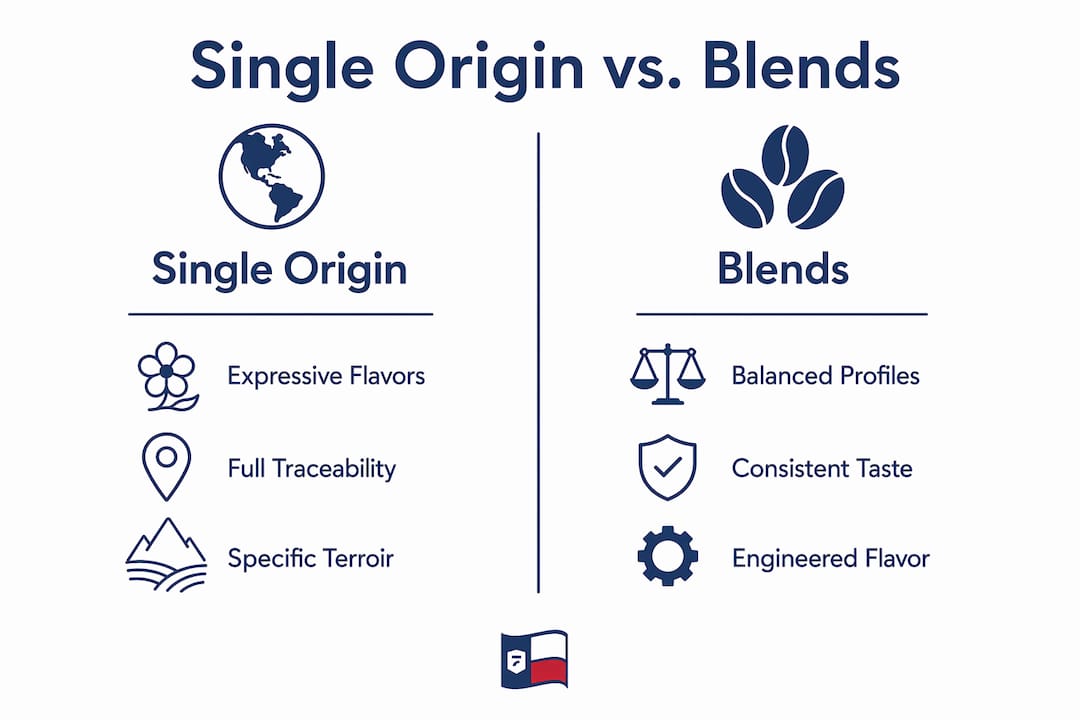
Blends are not inferior. They are engineered for reliability, which is why most commercial espresso uses them. Single origin coffees suit drinkers who want to taste a place, a season, and a producer’s decisions rather than a predictable house flavor. The choice between them depends entirely on what you want from your cup.
The traceability gap is the most consequential difference. Single origin coffees provide transparency that supports direct trade relationships, allowing farmers to receive better compensation for high-quality beans. Blends obscure that chain. For consumers who care about ethical sourcing, single origin is the more accountable choice.
What flavors and characteristics should you expect?
Coffee beans develop distinct flavor profiles reflecting their terroir, the combination of soil composition, altitude, rainfall, temperature, and farming practices. This is the same principle that makes a Burgundy Pinot Noir taste nothing like a California one, even though both use the same grape variety.
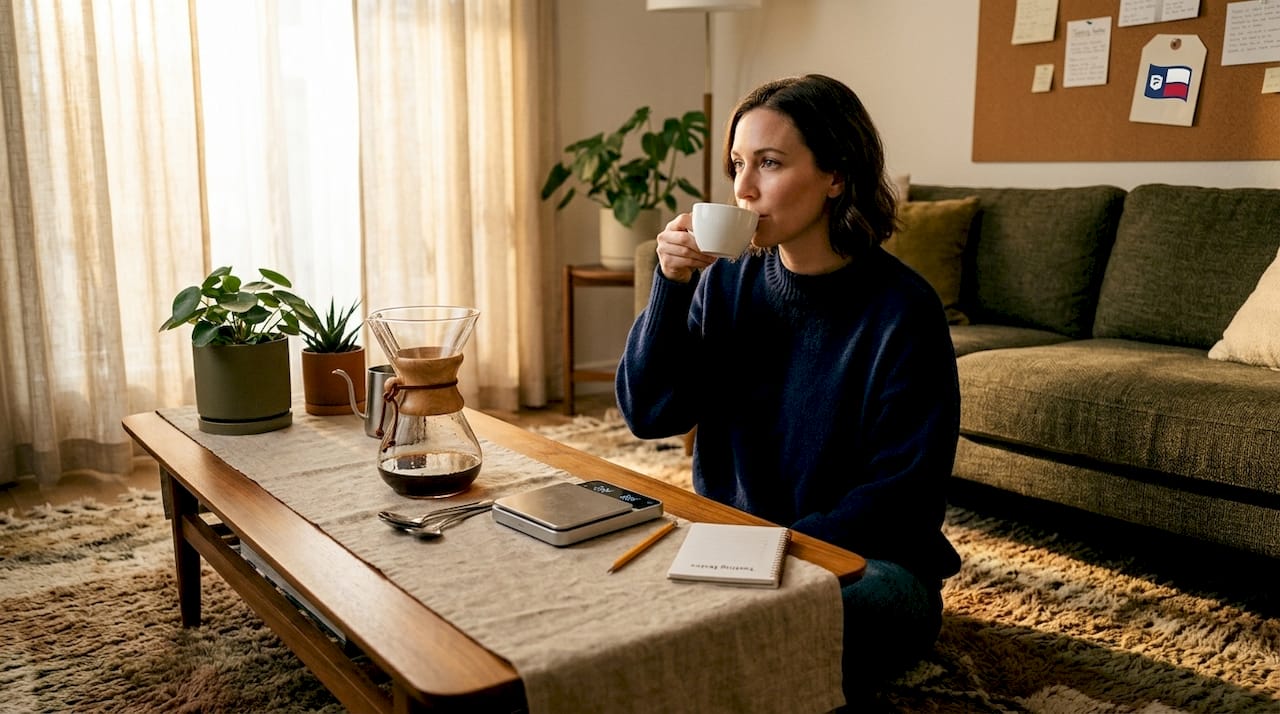
Processing method adds another layer. Washed coffees, where the fruit is removed before drying, tend to produce cleaner, brighter cups with pronounced acidity. Natural processed coffees, dried with the fruit intact, develop fruity, wine-like, and sometimes fermented notes. Honey processed beans fall between the two, offering sweetness with moderate clarity.
Regional flavor signatures give enthusiasts a useful mental map:
- Ethiopia (Yirgacheffe, Sidama): Floral jasmine and bergamot aromas, bright citrus acidity, blueberry or stone fruit sweetness. These are the coffees that make people question whether they accidentally brewed tea.
- Colombia (Huila, Nariño): Milk chocolate, caramel, red apple, and balanced acidity. Approachable for new single origin drinkers.
- Guatemala (Antigua, Huehuetenango): Dark chocolate, brown sugar, light smokiness, and a full body that holds up well in a French press.
- Kenya (Nyeri, Kirinyaga): Intense blackcurrant, tomato-like savory notes, and a wine-like finish that divides opinion but rewards patience.
- Brazil (Cerrado, Sul de Minas): Nutty, low-acid, chocolatey, and consistent. Often used as a gateway single origin for espresso drinkers.
Pro Tip: When tasting a new single origin for the first time, let the cup cool to around 140°F before evaluating. Heat suppresses sweetness and acidity. The most interesting flavors in a Kenyan or Ethiopian coffee reveal themselves as the temperature drops.
Farming practices and cooperative structures also shape the cup. Coffees processed at a well-managed Ethiopian washing station, where hundreds of smallholder farmers deliver cherry together, carry a collective terroir that reflects the entire community’s land and methods.
Why is traceability the defining benefit of single origin coffee?
Traceability means the ability to follow a coffee’s journey from a specific farm or cooperative through processing, export, roasting, and into your cup. The US single origin coffee market commands premium prices justified by higher quality scores, direct grower relationships, and transparent supply chains. That premium is not arbitrary. It reflects real costs: better farming practices, selective harvesting, and the administrative work of maintaining traceability documentation.
“Single-origin coffees provide transparency and traceability, supporting direct trade relationships and allowing farmers to receive better compensation for high-quality beans.” — Current Crop Roasting Shop
For consumers, traceability delivers confidence. You are not guessing whether the “premium” label on a bag means anything. For farmers and cooperatives, it creates a market incentive to invest in quality. When a roaster can name your farm on a bag and charge more for it, you have a direct financial reason to improve your processing and pick only ripe cherry. The ethical sourcing connection between single origin coffee and fair farmer compensation is one of the strongest arguments for choosing it over commodity blends.
How to choose and brew single origin coffee at home
Selecting a single origin starts with knowing what flavor direction you want. If you prefer bright, fruity, and complex, start with an Ethiopian or Kenyan natural process. If you want something approachable and chocolatey, a Colombian washed or a Brazilian natural is a safer entry point.
Freshness is non-negotiable. Single origin coffees are more sensitive to freshness and brewing choices because the flavor identity is narrower. A stale single origin tastes flat and papery, which wastes both money and the farmer’s effort. Understanding why coffee goes stale and how to prevent it is the single most practical skill a home brewer can develop.
Follow these steps to get the most from a single origin at home:
- Buy recently roasted beans. Look for a roast date on the bag. Aim to brew between 7 and 21 days post-roast for filter methods, or 14 to 28 days for espresso.
- Choose a brewing method that highlights clarity. Pourover methods like the Hario V60 or Chemex, and the Aeropress, preserve the delicate floral and fruit notes that define many single origins. French press works well for full-bodied origins like Guatemala or Brazil.
- Grind fresh, every time. Pre-ground single origin coffee loses its defining aromatics within 15 to 30 minutes of grinding. A burr grinder, even an entry-level Baratza Encore, makes a measurable difference.
- Use filtered water at the right temperature. Brew between 195°F and 205°F. Hard tap water suppresses acidity and sweetness, flattening the exact flavors you are paying to taste.
- Taste without milk first. Dairy masks the origin-specific notes that make single origin worth buying. Try the coffee black, then add milk if you prefer it.
Pro Tip: If a single origin tastes harsh or overly bitter, try a slightly coarser grind and lower water temperature before assuming the coffee is bad. Extraction technique shapes the cup more than most people realize, and single origins are less forgiving of errors than blends.
Key takeaways
Single origin coffee delivers flavor clarity, ethical traceability, and a direct connection to a specific place that no blend can replicate.
| Point | Details |
|---|---|
| Definition matters | Single origin ranges from country-level to microlot; the narrower the origin, the more expressive the flavor. |
| Flavor is geography | Terroir, altitude, and processing method determine whether a coffee tastes floral, chocolatey, or fruity. |
| Traceability benefits everyone | Transparent supply chains support fair farmer compensation and give consumers confidence in what they are buying. |
| Freshness is critical | Single origins are more sensitive to staleness than blends; buy recently roasted and grind fresh. |
| Brewing method matters | Pourover and Aeropress best reveal the complexity of single origin coffees; French press suits fuller-bodied origins. |
What I have learned from years of tasting single origins
I have tasted hundreds of single origin coffees over the years, and the one thing that still surprises newcomers is how much a brewing method can either honor or destroy what a farmer worked an entire season to produce. People spend $22 on a bag of Kenyan Nyeri, brew it in a drip machine with tap water, and then wonder why it tastes flat. The coffee is not the problem.
My honest recommendation for anyone starting out: buy one Ethiopian natural and one Colombian washed in the same week. Brew both as a pourover with the same recipe. The contrast between those two cups will teach you more about what single origin means than any article can. The Ethiopian will smell like blueberry jam before you even pour the water. The Colombian will be cleaner, sweeter, and immediately more familiar. That side-by-side comparison is the fastest education in coffee flavor I know.
I also think the industry undersells the value of regional specificity over country labels. A bag that says “Ethiopia” tells you almost nothing useful. A bag that says “Yirgacheffe, Kochere washing station, natural process” tells you exactly what to expect. Push your roaster for that level of detail. If they cannot provide it, that tells you something too.
For those who want to branch out beyond coffee entirely, Font-mag’s Japanese matcha selection from MAG Tea offers a similarly terroir-driven experience. The same principles of origin, processing, and freshness that define great single origin coffee apply directly to high-grade matcha. Once you start thinking about beverages through the lens of provenance, it changes how you taste everything.
— Rosario
Explore Font-mag’s single origin selection
Font-mag sources and ships small-batch single origin coffees built on four generations of Texas craftsmanship. Every coffee in the lineup carries clear origin information, a recent roast date, and the kind of flavor transparency that makes traceability real rather than a marketing claim. Whether you are stocking a café or building a home brewing ritual, the retail coffee collection covers everything from approachable Colombian washed to complex Ethiopian naturals. Café owners and wholesale buyers can explore the wholesale coffee options for direct-trade sourced beans with fast fulfillment and free shipping on orders over $35.
FAQ
What is single origin coffee in simple terms?
Single origin coffee comes from one specific, identifiable geographic location rather than a mix of sources. That location can be as broad as a country or as specific as a single farm’s microlot.
Is single origin coffee always better than a blend?
Not always. Single origin coffees offer expressive, origin-specific flavors and full traceability, but blends are engineered for consistency and often work better for espresso. The right choice depends on what you want from your cup.
Why does single origin coffee cost more?
The premium price reflects higher quality scores, direct grower relationships, and the cost of maintaining transparent supply chains from harvest to roast. You are paying for provenance as much as flavor.
What brewing method works best for single origin coffee?
Pourover methods like the Hario V60 or Chemex and the Aeropress best preserve the delicate floral and fruit notes in single origin coffees. Single origins are more sensitive to brewing technique than blends, so precision matters more.
How do I identify single origin coffee flavors?
Start by tasting the coffee black as it cools. Regional flavor signatures give you a framework: Ethiopian coffees tend toward floral and berry, Guatemalan toward chocolate and brown sugar, and Kenyan toward blackcurrant and savory wine-like notes. Comparing two origins side by side accelerates your ability to recognize the differences.