

Latte Syrup Ratio Guide: Exact Doses by Cup Size
For a medium-sweet 12 oz latte, start with 15–20 ml of syrup, which is roughly 2–3 pumps depending on your bottle. Scale that up to 20–25 ml for a 16 oz drink and 25–30 ml for a 20 oz. The rule of thumb baristas use is simple: 1 pump per 4 fl oz of finished drink. That gets you in the right zone fast.
Before you trust that pump count, though, know that commercial pumps vary widely. One bottle might dispense 7 ml per press; another delivers 15 ml. Measure yours once and you will never have to guess again.
Quick starting points at a glance:
- 8–10 oz latte: 10–15 ml (2 pumps at 7 ml, or 1 pump at 10–15 ml)
- 12 oz latte: 15–20 ml (2–3 pumps)
- 16 oz latte: 20–25 ml (3–4 pumps)
- 20 oz latte: 25–30 ml (4–5 pumps)
- Iced latte: add 10–25% more syrup to compensate for cold-temperature muting and ice dilution
- 2:1 concentrated syrup: use 40–60% of the volume you would use for a standard 1:1 syrup
These are starting doses, not final answers. Taste, adjust, and lock in your number.
Table of Contents
- How much syrup does each latte size actually need?
- How to measure your pump volume precisely
- How syrup concentration changes the dose you should use
- When and how to add syrup for the best flavor
- Troubleshooting: fixing a latte that is too sweet, too weak, or watery
- Three copy-ready latte recipes with exact measures
- Why pump variability matters more than you think
- Key Takeaways
- The syrup ratio most home baristas get wrong
- Font-mag has the syrups to make these ratios work
- Useful sources
How much syrup does each latte size actually need?
The table below uses a 10 ml pump baseline as a neutral reference point. Your pump may differ, so treat the pump column as a conversion guide, not a fixed rule.
| Cup size (oz) | Espresso shots | Milk (oz) | Syrup range (ml) | Approx. pumps (10 ml) |
|---|---|---|---|---|
| 8 oz | 1 | 5–6 oz | 10–15 ml | 1–1.5 |
| 12 oz | 1–2 | 8–10 oz | 15–20 ml | 1.5–2 |
| 16 oz | 2 | 12 oz | 20–25 ml | 2–2.5 |
| 20 oz | 2–3 | — | 25–30 ml | 2.5–3 |
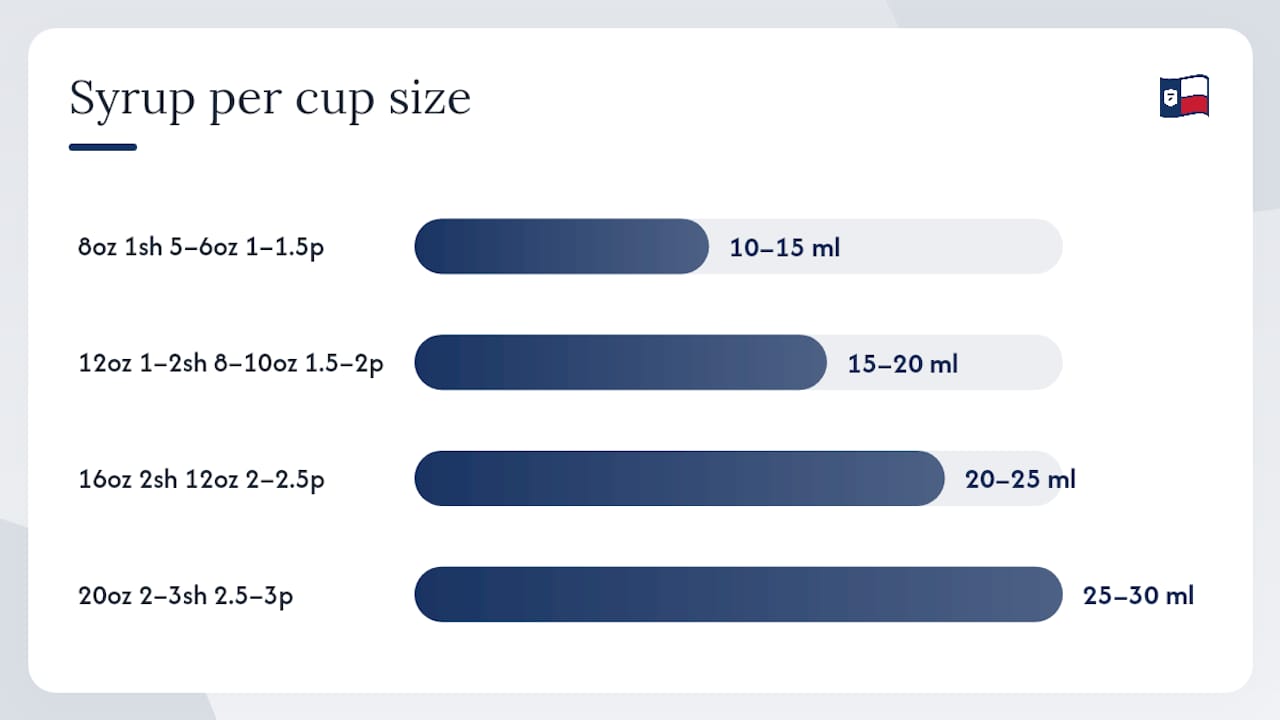
(The 8 oz and 12 oz “Approx. pumps (10 ml)” columns now accurately align with the referenced ml ranges according to the 10 ml pump baseline. 10–15 ml = 1–1.5 pumps; 15–20 ml = 1.5–2 pumps.)
For a standard 250–300 ml latte, 15–20 ml of syrup hits medium-sweet balance reliably. Large drinks in the 400–500 ml range typically need 20–30 ml to taste proportionate, not just sweet.
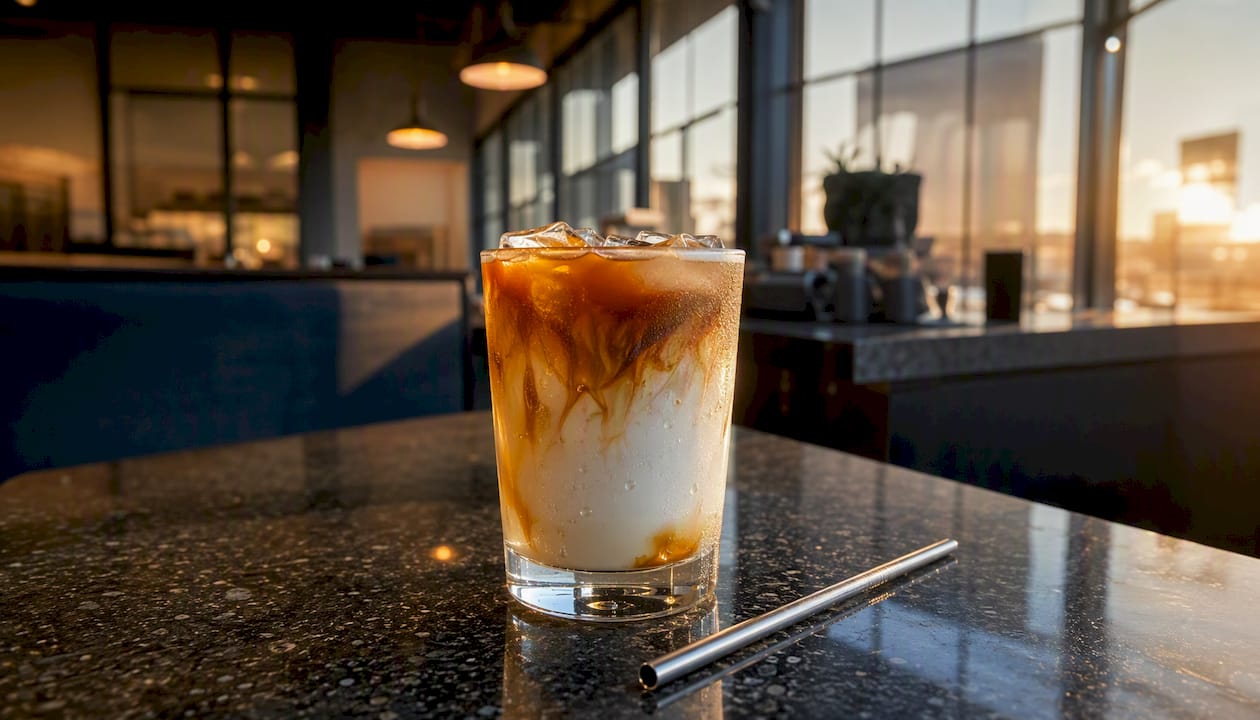
Iced drinks need more. Cold temperature suppresses sweetness perception, and ice dilutes as it melts. Add 10–25% more syrup than you would for the hot equivalent. If you are packing a cup with heavy ice, lean toward the higher end of that range.
Nutrition note: Each pump adds roughly 40–60 kcal and 10–20 g of sugar to your drink, depending on syrup strength and pump volume. Worth knowing if you are building a menu or tracking intake.
How to measure your pump volume precisely
Most home baristas treat pumps as standardized. They are not. Pump volumes range from roughly 7 ml to 15 ml per press, which means a “3-pump” recipe can deliver anywhere from 21 ml to 45 ml of syrup depending on the bottle. Calibrate once and the guesswork disappears.
Step-by-step pump calibration:
- Set a small graduated cylinder or a measuring spoon on your counter.
- Dispense 5 full, even presses into the container.
- Read the total volume in ml.
- Divide by 5 to get your ml-per-pump figure.
- Write that number on a piece of tape and stick it on the bottle.
Conversion reference for common pump volumes:
| Pump volume | 1 tsp equivalent | Approx. grams |
|---|---|---|
| 10 ml | ~2 tsp | — |
| 15 ml | ~3 tsp | — |
Once you know your pump volume, convert every recipe from pump counts to milliliters. A recipe that calls for “25 ml of vanilla syrup” works regardless of which bottle you grab next. Pump counts tied to a specific bottle become unreliable the moment you switch brands.
Pro Tip: Label every syrup bottle with a small sticker: “1 pump = X ml.” If you run a small café, make a laminated quick-reference card per drink size and keep it at the espresso station. It cuts errors during a rush and helps new staff dose consistently from day one.
For more on home barista measuring tools, a graduated cylinder and a digital scale are the two pieces of equipment that pay for themselves fastest.
How syrup concentration changes the dose you should use
Not all syrups are built the same, and using the wrong volume for the wrong concentration is the most common reason a latte tastes either flat or cloying.
1:1 syrups (standard) dissolve equal parts sugar and water. These are the most common format and the baseline for every dosing rule in this guide. The ml ranges above assume a 1:1 syrup.
2:1 syrups (rich or concentrated) use twice the sugar per unit of water. They taste noticeably more intense and add less liquid to the cup. When you switch from a 1:1 to a 2:1 syrup concentration, start with significantly less volume and adjust to taste. A drink that needed 20 ml of standard vanilla syrup might only need 10–12 ml of a concentrated version. One practical upside: concentrated syrups let you add strong flavor without thinning the milk texture, which matters most in smaller drinks where every milliliter of liquid changes the mouthfeel.
Sauces and thick variants (caramel sauce, chocolate sauce) behave differently from pourable syrups. They are denser, slower to dissolve, and often sweeter per gram. Use them in smaller amounts than the ml chart suggests and stir thoroughly before adding milk.
Sugar-free syrups typically use alternative sweeteners that taste less intense than cane sugar at the same volume. If the flavor reads weak, increase the dose by 10–25% and taste again. Some sugar-free formulas also have a slightly different mouthfeel, so adjust gradually rather than doubling the amount at once.
For a deeper look at premium syrup alternatives, including cleaner-ingredient and concentrated options, that guide covers the tradeoffs in detail.
When and how to add syrup for the best flavor
The order you add syrup matters more than most home baristas expect. Get it wrong and you end up with syrup pooled at the bottom or a drink that smells like nothing.
For hot lattes:
- Add syrup to the bottom of your cup first.
- Pull your espresso shot directly onto the syrup.
- Stir immediately. The hot espresso dissolves the syrup fully and the heat opens up the aroma.
- Steam your milk to 140–150°F with a silky, microfoam texture.
- Pour steamed milk over the espresso-syrup base.
Dissolving syrup in hot espresso before milk hits the cup is the step most people skip. It makes a real difference in how evenly the flavor distributes.
For iced lattes:
- Add syrup to your glass or shaker first.
- Pour cold milk over the syrup and stir, or combine syrup and espresso in a shaker and shake briefly to emulsify.
- Add ice last, not first. Ice first means the syrup hits cold liquid before it can dissolve, and you get a sweet sludge at the bottom.
- Pour the espresso-milk mixture over the ice.
Pro Tip: For floral or citrus syrups with volatile aromatics (lavender, bergamot, yuzu), add a small finishing splash on top of the completed drink rather than mixing it all in at the start. Heat and agitation drive off the top notes quickly. A few drops on the foam preserves the scent.
Troubleshooting: fixing a latte that is too sweet, too weak, or watery
| Symptom | Likely cause | Quick fix |
|---|---|---|
| Overly sweet, coffee lost | Too much syrup | Reduce by 5 ml (half a pump) and pull a stronger shot |
| Flat, no sweetness | Too little syrup or sugar-free underperforming | Add a bit more syrup; consider switching syrup type if using sugar-free |
| Watery, muted flavor | Ice dilution in iced drinks | Increase syrup proportionally; consider using a concentrated coffee base |
| Syrup taste but no coffee | Weak espresso | Pull a ristretto or add a second shot |
| Cloying sweetness with oat milk | High-fat milk amplifying sweetness | Reduce syrup 10–20% with whole or full-fat oat milk |
| Thin sweetness with almond milk | Low-fat milk suppressing flavor | Increase syrup when using skim or thin plant milks |
The milk-fat adjustment catches people off guard. Fat masks acidity and amplifies sweetness, so a whole-milk latte with 20 ml of syrup will taste sweeter than an almond-milk latte with the same dose. Calibrate your recipe to the milk you actually use, not to a generic baseline.
Three copy-ready latte recipes with exact measures
These recipes use a calibrated 10 ml pump as the baseline. Adjust pump counts if your bottle measures differently.
Classic vanilla latte (12 oz)
- 1–2 shots espresso (18–20 g dose)
- 8 oz whole milk, steamed to 145°F
- 20 ml vanilla syrup (2 pumps at 10 ml)
- Optional: sugar-free vanilla at 25 ml for a lighter version
- Steam milk to a silky microfoam; pour over espresso-syrup base
Salted caramel latte (16 oz)
- 2 shots espresso
- 12 oz oat milk (full-fat), steamed to 145°F
- 15 ml caramel syrup + 5 ml salted caramel sauce (2 pumps total)
- Reduce caramel syrup to 12 ml if using full-fat oat milk (fat amplifies sweetness)
- Finish with a light drizzle of caramel sauce on the foam
Spiced brown sugar latte (16 oz, iced)
- 2 shots espresso, pulled hot
- 10 oz whole milk, cold
- 25 ml brown sugar cinnamon syrup (2.5 pumps), added before espresso
- Pour over ice; add a pinch of cinnamon on top
- For plant milk: increase syrup to 28 ml
For more flavor pairings and seasonal ideas, the coffee shop syrup flavor guide covers how to match syrup profiles to different espresso roasts.
Why pump variability matters more than you think
Here is a concrete illustration of why calibrating your pump changes everything. Say your recipe targets 25 ml of syrup for a 16 oz latte.
| Bottle | Ml per pump | Pumps needed for 25 ml | Pumps needed for 20 ml |
|---|---|---|---|
| Bottle A | 7 ml | 3–4 pumps | 2–3 pumps |
| Bottle B | 10 ml | 2.5 pumps | 2 pumps |
| Bottle C | 15 ml | 1–2 pumps | 1 pump |
If you always pull “3 pumps” without calibrating, Bottle A gives you 21 ml, Bottle B gives 30 ml, and Bottle C gives 45 ml. That is more than double the intended dose from the same hand motion.
Home test protocol:
- Place a small measuring cup or graduated cylinder on a flat surface.
- Dispense 5 steady, full presses of the pump.
- Read the total ml.
- Divide by 5 for your ml-per-pump figure.
- Update your recipe cards to ml targets, not pump counts.
- Stick a label on the bottle with the result.
Using a portion pump or calibrated bottle eliminates the inconsistency entirely, which is why most commercial cafés standardize on a single pump format per drink size. For a small café running multiple baristas, that single step reduces waste and keeps every drink tasting the same regardless of who made it.
Standardized 8 oz cups also help when you are setting house-standard doses per size, since consistent cup volume is the anchor for consistent syrup dosing.
Key Takeaways
Start with 1 pump per 4 fl oz of finished drink as your baseline, measure your actual pump volume in ml, and adjust for syrup concentration, milk fat, and whether the drink is hot or iced.
| Point | Details |
|---|---|
| Starting dose by size | 10–15 ml for 8 oz; 15–20 ml for 12 oz; 20–25 ml for 16 oz; 25–30 ml for 20 oz. |
| Measure pumps in ml | Pump volumes range 7–15 ml per press; calibrate once and label the bottle. |
| Iced drinks need more | Add 10–25% more syrup to offset cold-temperature muting and ice dilution. |
| Concentration adjustment | Switch from 1:1 to 2:1 syrup? Use 40–60% of your usual volume and taste from there. |
| Font-mag syrup collection | Font-mag’s Sweetbird collection gives café-grade, tested syrups with fast shipping and free delivery over $35. |
The syrup ratio most home baristas get wrong
There is a version of this topic that gets repeated endlessly: “just use X pumps.” The number sounds authoritative. It is also almost meaningless without knowing the pump volume, the syrup concentration, and the milk you are pouring.
The real skill is not memorizing a pump count. It is understanding that every variable in the cup, from milk fat to ice volume to syrup format, shifts the perceived sweetness independently. A recipe that tastes perfect with whole milk and a 1:1 syrup will taste flat with almond milk and a sugar-free formula at the same pump count. That is not a failure of the recipe. It is just physics.
Independent tasting comparisons confirm what experienced baristas already know: brand variance in hot versus cold performance is real and significant. A syrup that tastes balanced in a hot latte can turn thin and chemical in an iced drink. This is why starting with a tested, café-grade syrup matters before you spend time dialing in ratios. You want the syrup itself to be a constant, not another variable.
The guides that serve home baristas best are the ones that hand them a measurement protocol, not just a number. Calibrate your pump, note your syrup’s concentration, adjust for your milk, and then taste. That sequence takes about three minutes the first time and saves you from every “why does this taste off?” moment after that.
Font-mag has the syrups to make these ratios work
Getting the ratios right is half the equation. The other half is starting with a syrup that performs consistently across hot and cold drinks, holds its flavor at the doses this guide recommends, and does not introduce off-notes when you push the concentration.
Font-mag carries the Sweetbird collection alongside a curated lineup of café-grade syrups selected for both home baristas and small-café operators. Every bottle is stocked for consistent pump performance, and the range covers classic flavors (vanilla, caramel, hazelnut) through seasonal and specialty profiles. Orders over $35 ship free, and fulfillment is fast enough that you are not waiting a week to test a new flavor. Browse the full syrup collection and pick the flavors your ratios are ready for.
Useful sources
The dosing rules, pump-calibration protocol, and concentration adjustments in this guide draw from the following sources:
- How Much Syrup To Put In A Latte [2026]
- [Barista Syrup Guide — Best Flavors & Uses 2026]
- A Quick Guide to Syrup Ratios: How Much Flavoured Syrup Should You Use – Cashmere Syrups
- [How To Make A Flavored Latte At Home [2026]](https://summerstirs.com/how-to-make-a-flavored-latte/)
- How To Use Coffee Syrups: Flavours, Dosage & Recipes | ADS Coffee Supplies
- Top 10 best coffee syrup brands ranked — TasteRated
For flavor-matching guidance and DIY syrup ideas, see Font-mag’s flavored simple syrup recipes and the home barista ingredients guide.
Recommended
- Coffee Shop Syrup Flavors: A Home Barista’s 2026 Guide – Font Coffee Roasters
- Why Espresso Is Concentrated Coffee: A Home Barista Guide – Font Coffee Roasters
- Top 5 Hazelnut Syrup Alternatives for Coffee 2026 – Font Coffee Roasters
- Craft Cocktail and Tea Syrups: Your Home Bar Guide – Font Coffee Roasters