

Tea Syrup Recipes: Creative Flavors for Every Drink
Tea syrup recipes are tea-infused simple syrups made by steeping tea leaves or bags in a hot sugar solution, producing a concentrated sweetener that carries the full flavor of the tea. The standard base is a 1:1 ratio of sugar to water, which dissolves cleanly and stores well. From there, you can layer in Earl Grey bergamot, fresh mint, lavender, or lemon zest to create flavored tea syrup ideas that go far beyond plain sweetness. These syrups work in iced teas, lattes, cocktails, and even cake soaks, making them one of the most versatile tools in a home cook’s kitchen.
What are the best tea syrup recipes to start with?
The best starting point for any tea-infused simple syrup is a classic 1:1 ratio: one cup of water to one cup of sugar. This ratio produces a syrup that is sweet but not cloying, and it stores reliably in the refrigerator. Once you have the base down, the tea you choose becomes the defining variable. Black teas like Earl Grey produce bold, aromatic syrups. Green teas deliver grassy, delicate notes. Herbal blends open the door to floral and medicinal profiles.
The quality of your tea matters more than most people expect. Loose-leaf tea from a premium source like MAG Tea delivers more surface area and richer flavor than standard grocery bags. That said, high-quality tea bags work perfectly well for home batches. The key is using enough tea to build real flavor without relying on extended steeping to compensate.
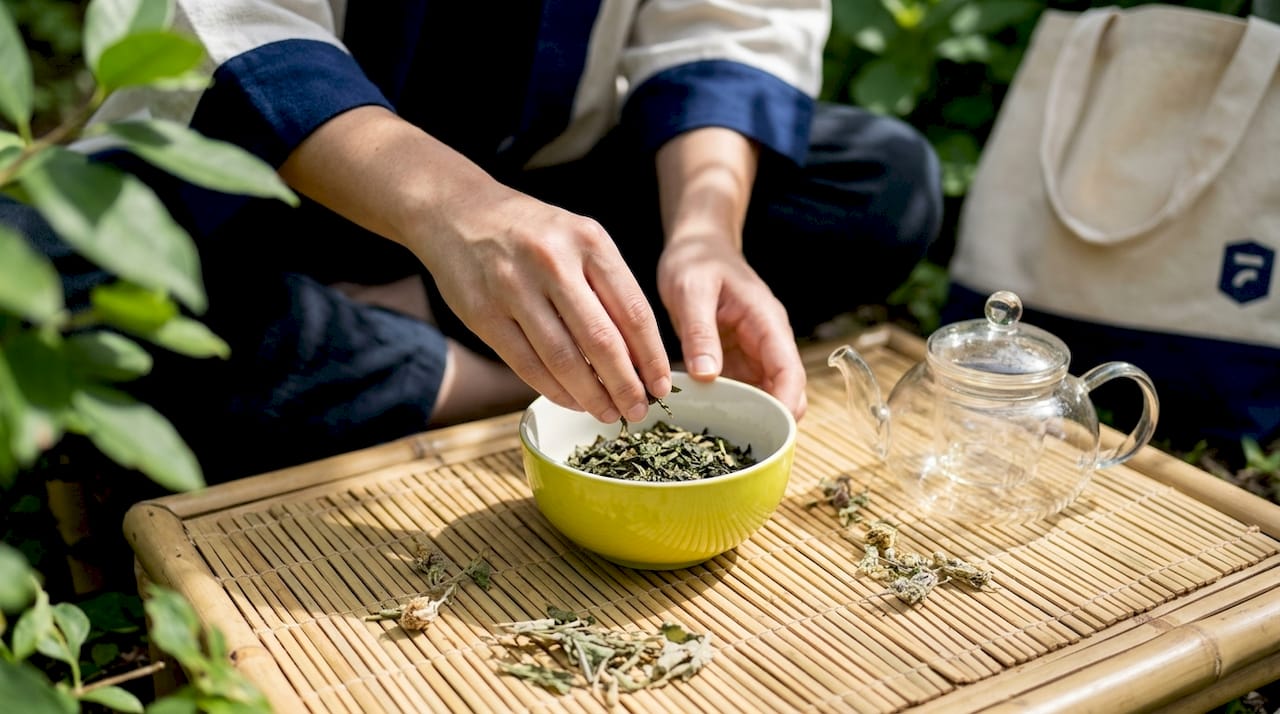
Sugar type also shapes the final product. White granulated sugar keeps the tea flavor front and center. Raw or turbinado sugar adds a light molasses note that pairs well with black teas. Honey works as both a sweetener and a natural preservative, which makes it a strong choice for herbal syrup recipes where shelf life matters.
Essential equipment for making tea syrup at home
You do not need specialized equipment. A small saucepan, a liquid measuring cup, a fine mesh strainer, and glass jars with tight lids cover everything. A kitchen thermometer is worth having if you plan to work with delicate teas, since green tea brews best at 175°F to avoid scorching the leaves and losing the subtle flavor you are after.
| Equipment | Purpose |
|---|---|
| Small saucepan | Dissolving sugar and heating water |
| Kitchen thermometer | Monitoring temperature for delicate teas |
| Fine mesh strainer | Removing tea leaves or bags cleanly |
| Glass jar with lid | Storing finished syrup safely |
| Measuring cups and spoons | Maintaining consistent ratios |
How do you make tea syrup step by step?
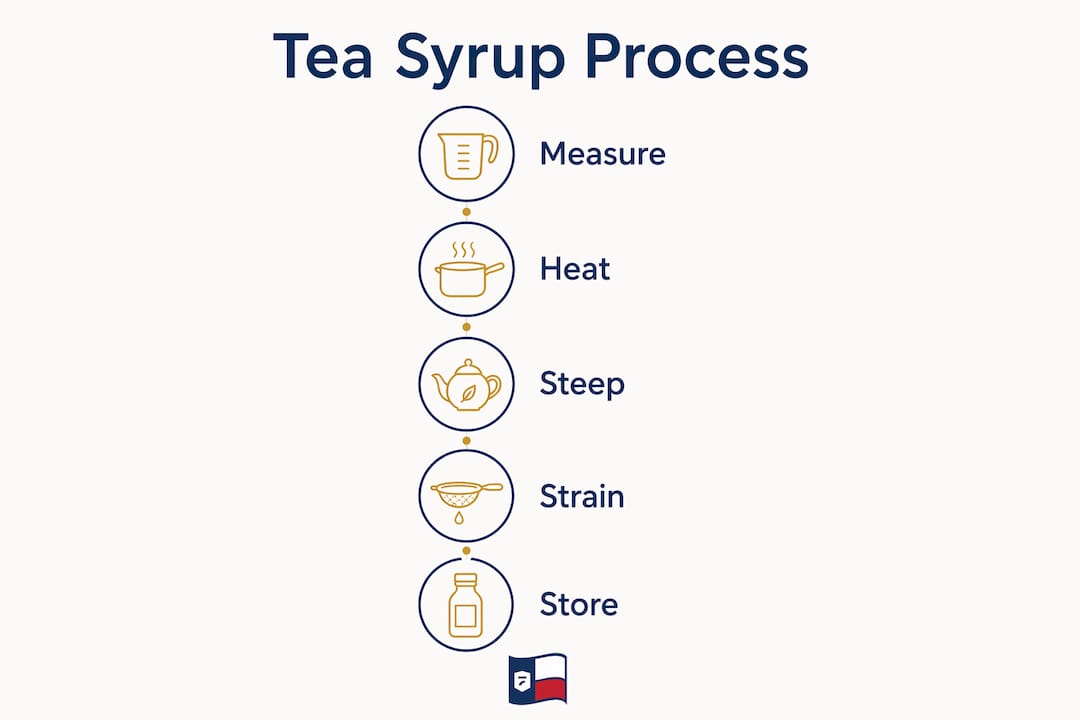
Making a simple syrup for tea follows a short, repeatable process. Getting each step right is what separates a bright, clean syrup from a bitter or muddy one.
- Combine water and sugar. Add one cup of water and one cup of sugar to a small saucepan. Stir over medium heat until the sugar fully dissolves. Do not let the mixture boil hard.
- Remove the pan from heat. This step is non-negotiable. Removing the pan from heat before adding tea stops residual heat from over-extracting the leaves and turning the syrup bitter.
- Add your tea. Place 2–3 tea bags or 2 tablespoons of loose-leaf tea into the hot syrup. For a stronger flavor without extending steep time, use 4–5 bags instead. More tea means more flavor, not more bitterness.
- Steep for 5–10 minutes. Taste at the five-minute mark. Herbal teas often need a full ten minutes. Black teas can be done in five. Trust your palate over the clock.
- Remove tea without squeezing. Lift bags out and let them drip naturally. Squeezing tea bags forces bitter tannins into the syrup and throws off the entire flavor balance.
- Add flavor accents if desired. Stir in lemon zest, a sprig of fresh mint, or a cinnamon stick while the syrup is still warm. Let the accent steep for another five minutes, then strain.
- Cool and bottle. Pour through a fine mesh strainer into a clean glass jar. Let it cool to room temperature before sealing and refrigerating.
Pro Tip: For a cold brew infusion, combine room-temperature syrup with loose-leaf tea and refrigerate overnight. The result is a smoother, less astringent syrup that works especially well with green and white teas.
The cold brew method takes longer but requires zero temperature management. It is the right choice when you want a delicate flavor that heat might damage.
What are the most creative flavored tea syrup ideas?
Once you have the base technique down, the real fun begins. The versatility of tea syrups extends well beyond cocktails into iced coffee, lattes, dessert soaks, and even salad dressings, where a subtle floral or citrus note can reframe an entire dish.
Here are some of the most rewarding flavor combinations to try:
- Earl Grey with lemon zest. The bergamot in Earl Grey pairs naturally with citrus. Add the zest of one lemon during the final five minutes of steeping for a bright, aromatic syrup that works beautifully in sparkling water or a gin cocktail.
- Green tea with honey and ginger. Swap white sugar for honey and add two thin slices of fresh ginger. The result is a warm, slightly spicy syrup that complements a matcha latte or a hot toddy.
- Chamomile with lavender. Steep chamomile tea bags with a teaspoon of dried culinary lavender. This combination produces a floral syrup that is exceptional over vanilla ice cream or stirred into lemonade.
- Mint herbal syrup. Use a peppermint or spearmint herbal tea as your base and add a few fresh mint leaves during steeping. The syrup works in mojitos, iced teas, and cold brew coffee.
- Hibiscus with orange zest. Hibiscus tea produces a deep ruby syrup with a tart, cranberry-like flavor. Orange zest softens the tartness and adds warmth. Try it in sparkling water or as a drizzle over yogurt.
Tea syrups made with honey carry a natural preservative advantage, but honey should never be given to children under one year old due to established food safety guidelines. For adult use, honey extends shelf life and adds a rounded sweetness that white sugar cannot replicate.
Medicinal herbal syrups follow a different process entirely. Traditional medicinal preparations use a long decoction method, simmering roots, bark, or seeds for extended periods to extract dense compounds. Culinary tea syrups use rapid infusion for flavor only. Knowing the difference helps you choose the right technique for your goal.
For pairing ideas beyond the basics, the fermented beverage flavor guide from Aboocha covers complementary flavor profiles that translate well to tea syrup work.
How long do homemade tea syrups last?
Storage is where most home cooks lose their syrup to spoilage or flavor degradation. The sugar concentration in your syrup is the single biggest factor in how long it lasts.
Refrigerated tea syrups made with a 1:1 ratio last 3–4 weeks in an airtight container. Higher sugar concentrations or honey-based syrups can last significantly longer, up to several months, because the increased sugar content inhibits microbial growth.
| Syrup type | Estimated shelf life | Storage method |
|---|---|---|
| 1:1 sugar syrup | 3–4 weeks | Refrigerated, airtight jar |
| 2:1 rich syrup | 2–3 months | Refrigerated, airtight jar |
| Honey-based syrup | Up to 6 months | Refrigerated, airtight jar |
Signs of spoilage include cloudiness that was not there when you bottled the syrup, an off smell, or visible mold. When in doubt, discard it. Syrup is inexpensive to remake.
Pro Tip: Label every jar with the tea type and the date you made it. A piece of masking tape and a marker takes ten seconds and saves you from guessing whether a jar is still good three weeks later.
Always use a clean spoon when measuring out syrup. Introducing bacteria from a used utensil shortens shelf life significantly. For context on how different sweeteners affect preservation, the natural vs. added sugar breakdown from Aboocha explains why honey behaves differently from refined sugar in preservation applications.
Key Takeaways
Tea syrup recipes succeed or fail based on three variables: tea quality, steeping temperature, and sugar concentration.
| Point | Details |
|---|---|
| Remove pan from heat first | Always take the saucepan off the burner before adding tea to prevent bitterness. |
| Match temperature to tea type | Brew green and white teas at 175°F to preserve delicate flavor compounds. |
| Use more tea for stronger flavor | Add 4–5 bags instead of 2–3 to boost concentration without over-steeping. |
| Honey extends shelf life | Honey-based syrups last significantly longer than standard 1:1 sugar syrups. |
| Label and refrigerate immediately | Airtight containers and clear date labels are the simplest way to track freshness. |
What I have learned from making tea syrups at home
I spent a long time treating tea syrups as an afterthought, something to throw together when a recipe called for it. That changed when I started paying attention to texture. A syrup made with a 1:1 ratio pours thin and blends fast. A 2:1 rich syrup coats the back of a spoon and changes the mouthfeel of a drink in a way that feels closer to a café-quality result.
The biggest mistake I see is impatience with steeping. People either rush it and get weak flavor, or they walk away and come back to something astringent. Five minutes with your full attention beats ten minutes unattended every time. Set a timer and stay nearby.
Experimenting with tea types is where the real payoff is. I was skeptical about using loose-leaf selections for syrup because it felt wasteful. The flavor difference compared to standard bags is significant enough to justify it for special batches. For everyday use, quality bags are completely fine.
One thing I want to be direct about: if you are making honey-based syrups for a household with young children, keep those jars clearly labeled and out of reach. Honey is safe for adults and older children, but the safety guidelines around infants are firm and worth taking seriously.
The most underrated use for tea syrup is dessert. A chamomile or Earl Grey syrup brushed onto a plain sponge cake before frosting adds a layer of flavor that most people cannot identify but everyone notices.
— Rosario
Font-mag has the teas and syrups to take your recipes further
Making great tea syrups starts with great tea. Font-mag carries premium loose-leaf selections from MAG Tea alongside the globally recognized Sweetbird collection of syrups and café essentials, all curated for home connoisseurs who want café-quality results without the guesswork of sourcing. If you want to pair your homemade syrups with something equally crafted, the flavored coffee collection at Font-mag offers small-batch roasts that complement tea-forward drinks beautifully. Orders over $35 ship free, and fulfillment is fast. Browse the full specialty offerings to find your next favorite ingredient.
FAQ
What is the basic ratio for tea syrup?
The standard ratio is 1:1, meaning one cup of sugar to one cup of water. This produces a pourable syrup that blends easily into cold and hot drinks.
How do you keep tea syrup from turning bitter?
Remove the saucepan from heat before adding tea, and never squeeze the bags when removing them. Both steps prevent tannin over-extraction, which is the primary cause of bitterness.
Can you use herbal teas for homemade syrups?
Herbal teas work well for flavored tea syrup ideas, including chamomile, mint, and hibiscus. Steep herbal teas for a full 8–10 minutes since they release flavor more slowly than black or green teas.
How long does homemade tea syrup last in the fridge?
A 1:1 sugar syrup lasts 3–4 weeks refrigerated in an airtight jar. Honey-based syrups last considerably longer due to honey’s natural preservative properties.
What drinks work best with tea syrup?
Tea syrups work in iced teas, lattes, sparkling water, cocktails, and cold brew coffee. They also function as dessert soaks for cakes and as a drizzle over yogurt or ice cream.