

Texas Coffee Roasters List: Top Picks by City
Texas is home to 431 coffee roaster locations as of 2026, making it one of the most active specialty coffee states in the country. This texas coffee roasters list cuts through the noise and delivers the roasters worth your time, your money, and your next road trip. From Houston’s dense roasting scene to Austin’s third-wave pioneers, the state’s craft coffee culture rewards those who know where to look. Names like Edison Coffee Co., Greater Goods Roasting, and What’s Brewing have helped define what Texas-roasted coffee means today.
Texas coffee roasters list: top picks by city
Texas’s three biggest coffee cities each have a distinct personality. Houston leads with 72 roasters, Austin follows with 58, and Dallas holds 53. That concentration means you have real options no matter where you live or travel in the state.
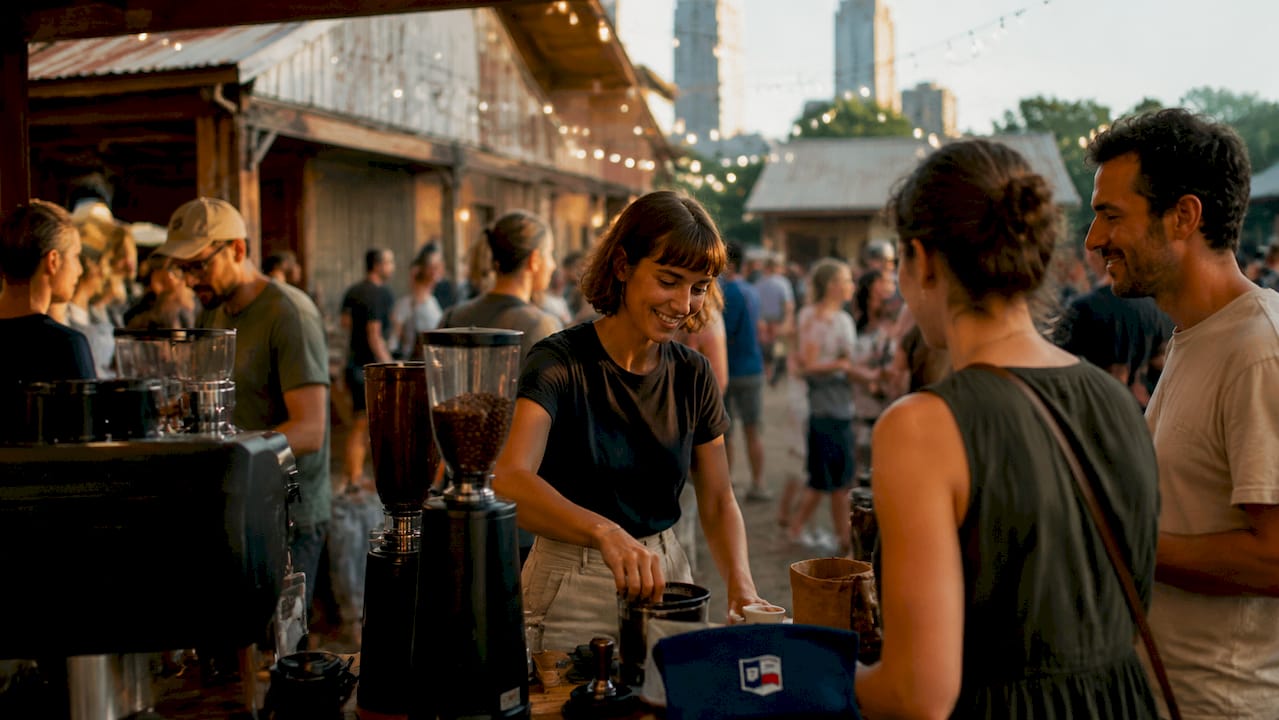
1. greater goods roasting (austin)
Greater Goods Roasting is one of Austin’s most recognized specialty roasters, known for its direct-trade sourcing and mission-driven model. The company donates a portion of every sale to charitable causes, which has built a loyal customer base beyond coffee alone. Their single-origin offerings rotate seasonally, so the cup you drink in spring tastes nothing like the one you had in fall. That variety keeps serious coffee drinkers coming back.
- Roast styles: Light to medium, with a focus on clarity and origin character
- Specialty: Direct-trade single-origin beans
- Availability: Online, retail, and Austin cafes
2. edison coffee co. (houston)
Edison Coffee Co. operates out of Houston and has earned a reputation for approachable specialty coffee that doesn’t alienate newcomers. Their blends are designed for everyday drinking, which makes them a strong entry point for anyone transitioning from grocery-store coffee to locally roasted beans. The roastery also supplies several Houston-area cafes, so you’ve likely already tasted their work without knowing it.
- Roast styles: Medium and dark blends built for consistency
- Specialty: Cafe wholesale and retail bags
- Availability: Houston-area cafes and online orders
3. what’s brewing (san antonio)
What’s Brewing represents San Antonio’s growing specialty coffee presence. The roaster focuses on small-batch production with an emphasis on single-origin beans and artisanal roasting, which keeps batch quality high and flavor profiles distinct. San Antonio has historically been underrepresented on Texas coffee roasters lists, but roasters like What’s Brewing are changing that narrative fast.
- Roast styles: Light roasts with fruit-forward and floral notes
- Specialty: Small-batch single-origin
- Availability: Local retail and direct online sales
4. parks coffee (carrollton)
Parks Coffee in Carrollton is one of the few Texas roasters that offers free roasting facility tours with tastings included. That kind of access is rare in the industry and makes Parks Coffee a must-visit for anyone serious about understanding how coffee goes from green bean to finished roast. The company has been operating long enough to have refined both its roasting process and its hospitality. Call ahead at (800) 889-7827 to schedule your visit.
- Roast styles: Full range from light to dark
- Specialty: Facility tours, office coffee programs, and wholesale
- Availability: Carrollton facility, online, and business accounts
5. coffee del rey (plano)
Coffee Del Rey in Plano carries a 4.9 out of 5 rating across 372 reviews, which is exceptional for any food or beverage business. Located at 1915 N Central Expy #340, the roastery also features modern accessibility amenities, making it one of the more welcoming spots in the Dallas metro area. High ratings at that review volume signal consistency, not just a few good days.
- Roast styles: Specialty blends and single-origin options
- Specialty: Customer experience and accessibility
- Availability: In-store and local delivery
6. cuvée coffee (austin)
Cuvée Coffee is one of Austin’s original third-wave roasters and helped establish the city’s reputation as a serious coffee destination. They pioneered nitro cold brew in Texas and continue to push the format forward. Their Black and Blue blend remains one of the most recognized Texas coffee brands in specialty retail. Cuvée also offers a subscription model for home delivery, which suits enthusiasts who want fresh beans without the trip.
- Roast styles: Light to medium, with emphasis on cold brew optimization
- Specialty: Nitro cold brew and subscription service
- Availability: Austin locations, online, and national retail
7. tweed coffee roasters (dallas)
Tweed Coffee Roasters operates in Dallas with a focus on transparency and traceability. Every bag lists the farm, region, and processing method, which gives buyers a clear picture of what they’re drinking. That level of detail appeals to the growing segment of Texas coffee drinkers who treat sourcing as seriously as flavor. Tweed also runs regular cupping events at their roastery, which are free and open to the public.
- Roast styles: Light roasts with detailed tasting notes
- Specialty: Traceable sourcing and public cupping events
- Availability: Dallas roastery and online
8. ruta maya coffee (austin)
Ruta Maya Coffee has been roasting in Austin since 1989, making it one of the oldest names on any Texas coffee roasters list. The brand specializes in organic and fair-trade certified beans sourced from Latin America, particularly Mexico and Guatemala. Their flagship cafe in Austin doubles as a live music venue, which reflects the brand’s deep roots in Austin culture. Ruta Maya proves that longevity and quality can coexist in a market that rewards novelty.
- Roast styles: Medium and dark, with organic certification
- Specialty: Fair-trade Latin American origins
- Availability: Austin cafe, online, and grocery retail
What are the best texas roasters for visiting?
Planning a roastery visit requires more preparation than most people expect. The third-wave coffee movement in Texas cities has pushed roasters to open their doors more than ever, but not every facility runs public tours on a walk-in basis.
Here’s how to plan a roastery visit that actually delivers:
- Call ahead without exception. Factory Tours USA confirms that tour availability changes frequently, even when a roaster advertises public access. One phone call saves a wasted trip.
- Start with Parks Coffee in Carrollton. Their free tour with tasting is the most structured roastery experience available in Texas for general visitors.
- Ask about cupping sessions. Roasters like Tweed Coffee in Dallas run free public cuppings. These are more educational than standard tours and give you direct access to the roasting team.
- Visit during weekday mornings. Most roasting happens early in the day. Visiting then means you’re more likely to see active roasting rather than a cold, quiet facility.
- Bring questions about origin. Roasters love talking sourcing. Asking where a bean comes from opens conversations that a standard tour script never covers.
Pro Tip: If you’re visiting multiple roasters in one city, book them on the same day and map them geographically. Austin’s roasters cluster near East Sixth Street, while Dallas roasters concentrate in the Design District and Deep Ellum neighborhoods.
Best texas coffee brands compared
Choosing between local roasters comes down to what you value most: flavor profile, price, sourcing ethics, or buying convenience. The table below compares top locally roasted Texas coffee brands across those dimensions.
| Roaster | City | Roast Style | Unique Offering | Online Orders |
|---|---|---|---|---|
| Greater Goods Roasting | Austin | Light/Medium | Direct-trade, charity model | Yes |
| Edison Coffee Co. | Houston | Medium/Dark | Cafe wholesale | Yes |
| Cuvée Coffee | Austin | Light/Medium | Nitro cold brew, subscription | Yes |
| Parks Coffee | Carrollton | Full range | Free facility tours | Yes |
| Coffee Del Rey | Plano | Specialty blends | 4.9-star accessibility | Limited |
| Ruta Maya Coffee | Austin | Medium/Dark | Organic, fair-trade | Yes |
| Tweed Coffee Roasters | Dallas | Light | Traceable sourcing, cuppings | Yes |
Over 71% of Texas coffee roasters are single-owner operations, which means most of the names above are run by people who personally oversee every roast. That scale produces tighter quality control than larger commercial brands can match. The average Texas roaster has been operating for nearly six years, which signals a maturing market rather than a passing trend.
Texas specialty roasters increasingly offer flavored coffee, decaf options, and wholesale programs alongside their flagship blends. That product range means you can find a Texas-roasted bean for every brewing method and preference.
How to find and support local texas coffee roasters
Finding local roasters beyond the well-known names takes a few targeted approaches. The Texas craft roasting scene includes hundreds of operations that never appear in mainstream press.
- Use specialty directories. Sites like CoffeeRoast.com maintain ranked lists of Texas roasters updated regularly. These go deeper than general review platforms.
- Check roaster websites for subscription options. Many independent Texas roasters ship fresh-roasted beans directly to your door on a weekly or monthly schedule. Subscriptions also lock in pricing and support the roaster’s cash flow.
- Visit local farmers markets. Roasters in smaller Texas cities, including those outside Houston, Austin, and Dallas, frequently sell at weekend markets before building a retail presence.
- Follow roasters on social media. Independent roasters announce new origins, limited releases, and pop-up events through Instagram before any other channel.
- Buy direct when possible. Purchasing from a roaster’s own website rather than a third-party retailer puts more revenue in the roaster’s hands and often gets you fresher beans.
Supporting small-batch Texas roasters directly funds local employment, sustainable sourcing relationships, and the continued growth of Texas coffee culture. The economic case for buying local is as strong as the flavor case.
Key takeaways
Texas has 431 coffee roasters concentrated in Houston, Austin, and Dallas, and the best way to engage with them is through direct purchases, roastery visits, and subscription services that prioritize freshness.
| Point | Details |
|---|---|
| Texas roaster count | 431 locations statewide, with Houston, Austin, and Dallas leading in concentration. |
| Independent ownership | Over 71% of Texas roasters are single-owner operations, which drives quality and personal service. |
| Best roastery tour | Parks Coffee in Carrollton offers free tours with tastings; call (800) 889-7827 to schedule. |
| Top-rated roaster | Coffee Del Rey in Plano holds a 4.9-star rating across 372 reviews. |
| How to find hidden gems | Use specialty directories, farmers markets, and roaster social media for roasters outside the big three cities. |
What i’ve learned watching texas coffee evolve
I’ve been paying close attention to the Texas coffee scene for years, and the most surprising shift isn’t the quality of the beans. It’s the confidence of the roasters. Five years ago, most independent Texas roasters positioned themselves as alternatives to national brands. Now they position themselves as the standard.
Greater Goods and Cuvée have proven that Austin can compete with any roasting city in the country. But the roasters I find most interesting are the ones outside the obvious markets. San Antonio, El Paso, and Lubbock each have roasters doing serious work with almost no national press coverage. If you only follow the Austin and Houston names, you’re missing a third of the story.
The other thing I’d push back on is the idea that visiting a roastery is just a novelty experience. A cupping session at Tweed or a tour at Parks Coffee teaches you more about coffee in two hours than a year of reading reviews. You leave with a calibrated palate and a direct relationship with the people roasting your beans. That relationship changes how you buy coffee permanently.
The future of Texas coffee isn’t more roasters. It’s deeper engagement with the ones already here.
— Rosario
Explore font-mag’s specialty coffee and beverage collection
Font-mag is built on four generations of Texas craftsmanship and carries a product range that goes well beyond coffee. Whether you’re stocking a home bar or supplying a cafe, the retail coffee collection covers everything from signature small-batch blends to specialty decaf options. If you want something beyond coffee, Font-mag also carries flavored coffee blends, premium MAG Tea loose-leaf selections, and the full Sweetbird syrup lineup for cafe-quality drinks at home. Free shipping applies to all orders over $35, and fulfillment is fast enough to keep your supply fresh.
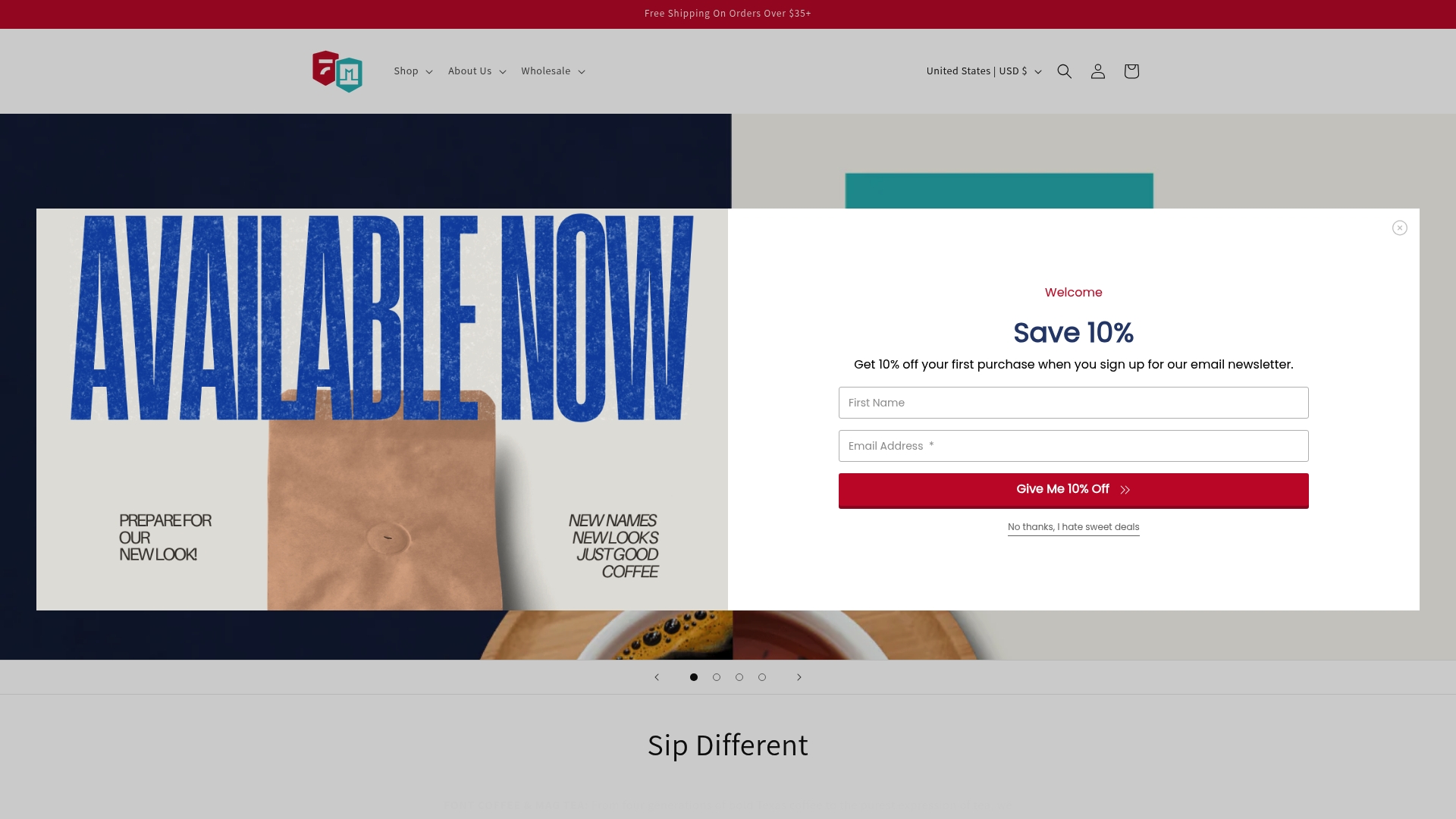
Font-mag’s Broken Arrow Reserve is a strong starting point if you want to understand what Texas small-batch roasting actually tastes like at its best.
FAQ
How many coffee roasters are in texas?
Texas has 431 coffee roaster locations as of April 2026. Houston, Austin, and Dallas account for the largest concentrations.
Which texas city has the most coffee roasters?
Houston leads with 72 roasters, followed by Austin with 58 and Dallas with 53. All three cities are active centers of the specialty coffee movement in Texas.
Can you visit a coffee roastery in texas?
Parks Coffee in Carrollton offers free facility tours with tastings. Always call ahead to confirm availability before visiting any roastery, since tour schedules change frequently.
What makes texas coffee roasters different?
Over 71% of Texas roasters are single-owner operations focused on small-batch methods, single-origin sourcing, and direct customer relationships. That structure produces more consistent quality than large commercial operations typically deliver.
Where can i buy locally roasted texas coffee online?
Most top Texas roasters including Greater Goods, Cuvée Coffee, and Ruta Maya sell directly through their websites. Font-mag also carries curated Texas-roasted options with free shipping on orders over $35.